
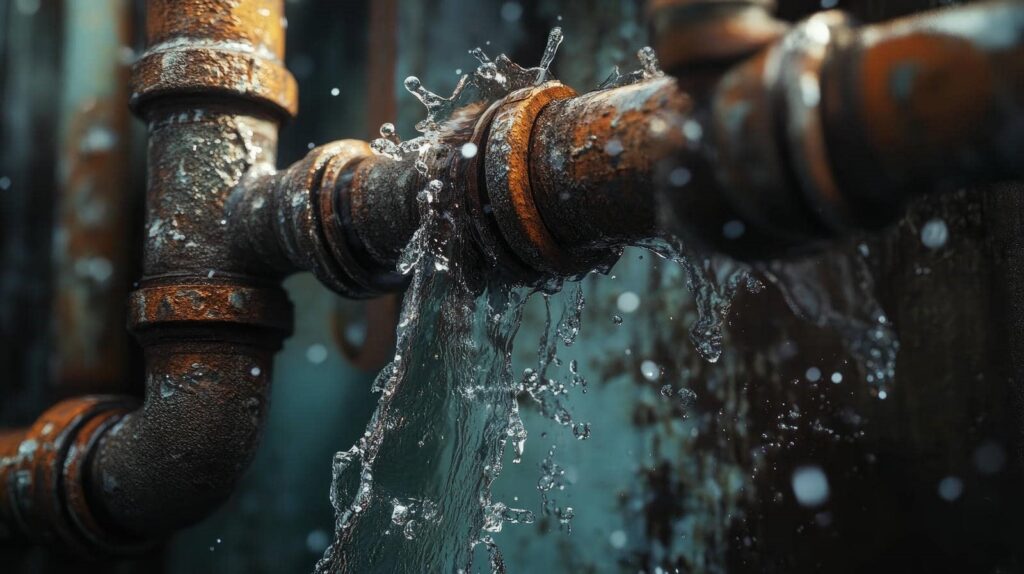
A burst pipe cleanup can feel like a storm tearing through your home, leaving chaos in its wake. When this happens, your response needs to be swift and calculated. Understanding the immediate steps you should take, from shutting off the water supply to documenting damage, is essential. The aftermath can be overwhelming, but knowing how to navigate it effectively can make all the difference. Are you prepared to tackle the cleanup and restore your space?
Key Takeaways
- Shut Off Water Supply: Locate and turn off the main water shutoff valve to prevent further flooding and damage.
- Remove Standing Water: Use a wet/dry vacuum or mops to quickly eliminate standing water to minimize damage and prevent mold growth.
- Document Damage: Take clear, detailed photos and create a written inventory of damaged items for insurance claims support.
- Seek Professional Help: Choose certified water damage restoration services with good reviews to ensure effective cleanup and restoration.
- Inspect and Maintain: Regularly check pipe insulation, water pressure, and perform seasonal plumbing inspections to prevent future burst pipes.
Immediate Steps to Take After a Pipe Burst
When a pipe bursts, swift action is essential to minimize damage and restore safety.
First, gather your emergency preparedness kit—this might include gloves, a flashlight, and towels. Quickly identify the source of the leak and assess the extent of the water damage. If it’s safe, turn off the water supply to prevent further flooding.
Next, begin to remove any standing water using a wet/dry vacuum or mops, as stagnant water can lead to mold growth. Document the damage with photos for insurance claims.
Finally, ventilate the area by opening windows and using fans to promote drying. Taking these immediate steps protects your home and fosters a sense of community and resilience among those affected.
How to Shut Off the Water Supply Quickly?
After addressing the immediate aftermath of a pipe burst, shutting off the water supply is your next priority to prevent further damage.
Locate your main water shutoff valve, usually found near the water meter or where the main line enters your home. Turn it clockwise until it stops; this action halts the water flow.
If you’re unsure about the valve’s location, consult your property’s blueprints or ask neighbors for guidance.
It’s essential to practice emergency preparedness by familiarizing yourself with the shutoff process in advance. This knowledge saves time during a crisis and strengthens your sense of community.
Always keep tools nearby for quick access, ensuring you can handle emergencies effectively and confidently.
How to Document Damage for Insurance Claims?
Documenting damage after a burst pipe is essential for your insurance claim. Start with a thorough damage assessment.
Take clear, detailed photos of affected areas, focusing on structural damage, water stains, and personal property. Make sure to capture multiple angles for extensive evidence.
Create a written inventory of damaged items, including descriptions, purchase dates, and approximate values. This will support your claim during the insurance processes.
Keep copies of any repair estimates and contractor communications, as they can further validate your claim.
Finally, maintain a timeline of events, noting when the damage occurred and when you reported it. This documentation aids your claim and helps you stay organized throughout the recovery process.
How to Select Reliable Cleanup and Restoration Services?
Choosing the right cleanup and restoration services is essential for effectively managing the aftermath of a burst pipe. Start with thorough service evaluations; check qualifications, certifications, and insurance to ensure reliability.
Look for companies specializing in water damage restoration, as their expertise will make a difference in recovery time and effectiveness. Customer reviews are invaluable—read feedback to gauge others’ experiences and satisfaction.
Pay attention to response times and the professionalism of the staff, as these factors directly impact your cleanup process. Don’t hesitate to ask for references or case studies from previous clients.
Maintenance Tips to Prevent Future Pipe Bursts
To prevent future pipe bursts, it’s essential to regularly inspect and maintain your plumbing system. Performing seasonal checks can catch potential issues before they escalate. Start by ensuring that all exposed pipes have adequate pipe insulation, especially in unheated areas. Additionally, monitor water pressure; high pressure can stress pipes and lead to breaks. Finally, keep an eye on your water meter for unusual changes that might indicate leaks.
| Maintenance Task | Frequency | Purpose |
|---|---|---|
| Inspect Pipe Insulation | Biannually | Prevents freezing and heat loss |
| Check Water Pressure | Annually | Reduces stress on pipes |
| Monitor Water Meter | Monthly | Detects leaks early |
Following these guidelines fosters a proactive approach to plumbing health.
Frequently Asked Questions
How Can I Identify the Location of the Burst Pipe?
To identify the burst pipe, use leak detection methods like sound or moisture sensors, and conduct a thorough plumbing inspection. These techniques help pinpoint the exact location, allowing for efficient repairs and minimizing damage.
What Should I Do With Damaged Personal Belongings?
Assess your damaged belongings immediately. Document everything for insurance claims and apply salvage techniques, like drying out items or cleaning them properly. Prioritize valuable or sentimental items to maximize recovery potential and minimize loss.
Are There Health Risks From Water Damage?
Yes, there are health risks from water damage. You’re at risk for waterborne illnesses and structural damage if moisture lingers. Prompt cleanup and proper drying can mitigate these dangers, safeguarding your environment and belongings.
How Long Does Cleanup Typically Take?
Cleanup typically takes one to three days, depending on the extent of water extraction and the necessary structural assessment. Prompt action can greatly reduce damage and minimize health risks, ensuring a safer environment for everyone.
What Are the Signs of Mold Growth After a Pipe Burst?
After a pipe burst, look for discoloration, musty odors, and dampness. Employ effective cleanup techniques and mold prevention strategies to safeguard your space and health.
Conclusion
In the aftermath of a burst pipe, acting swiftly is like putting out a fire before it spreads. By shutting off the water supply, documenting the damage, and enlisting professional help, you can mitigate the effects of the disaster. Don’t forget to prioritize maintenance to prevent future incidents. By following these essential steps, you’ll restore your home and shield it from similar mishaps down the line. Stay proactive and safeguard your space.