
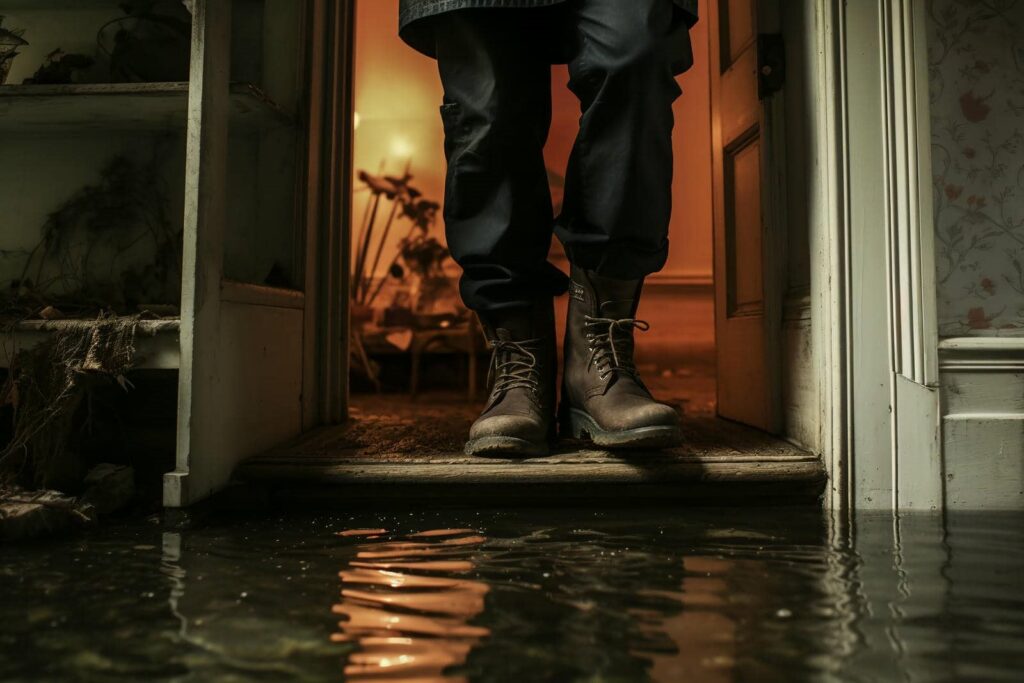
Imagine a community recovering from a devastating flood, where traditional assessment methods fail to uncover hidden structural damage. Effective devices for flood damage evaluation can greatly change this scenario. By employing advanced technologies like drones and moisture meters, you can accurately assess the extent of damage while streamlining recovery efforts. But what specific advantages do these tools offer, and how can they reshape the future of flood management?
Key Takeaways
- Effective devices provide accurate assessments of flood damage, ensuring a comprehensive understanding of impacted areas for timely recovery.
- Advanced imaging technologies, like drones and thermal imaging, reveal hidden damage that traditional methods may overlook.
- Utilizing moisture meters enables the detection of concealed moisture, fostering better remediation strategies and community resilience.
- Cost-effective advanced devices reduce evaluation time and minimize costly errors, leading to long-term savings in recovery efforts.
- Real-time data analysis from innovative technologies supports proactive decision-making, enhancing overall flood recovery strategies.
The Importance of Accurate Flood Damage Evaluation
When you face the aftermath of a flood, accurate damage evaluation isn’t just important—it’s essential. Understanding the flood impact allows you to identify the most affected areas and prioritize recovery strategies effectively.
By evaluating structural integrity, inventory loss, and environmental degradation, you can make informed decisions that guide your recovery efforts. This evaluation helps you communicate with insurance providers and local authorities, ensuring you receive the support you need.
It also fosters community resilience, as accurate evaluations can inform collective recovery strategies, benefiting everyone involved. Ultimately, precise evaluations streamline recovery processes and restore a sense of belonging and security to affected individuals and communities, paving the way for a stronger future.
Understanding the Tools: Devices for Flood Damage Assessment
To effectively assess flood damage, you need to understand the key measurement instruments and advanced imaging technologies available.
These tools provide quantitative data and enhance visual analysis, ensuring a thorough evaluation.
Key Measurement Instruments
Flood damage assessment relies heavily on several key measurement instruments that provide vital data for effective recovery. You’ll find that tools like moisture meters, laser distance measurers, and pressure gauges are indispensable.
These devices ensure measurement accuracy, allowing you to assess the extent of damage reliably. For instance, moisture meters help pinpoint hidden water damage, while laser measurers offer precise dimensions of affected areas.
Device reliability is essential; you need instruments that withstand challenging environments and deliver consistent results. By using these effective tools, you can make informed decisions, prioritize interventions, and ultimately facilitate a smoother recovery process.
Every assessment counts, so equipping yourself with the right instruments is fundamental for restoring both property and peace of mind.
Advanced Imaging Technologies
While traditional measurement instruments are essential, advanced imaging technologies greatly enhance flood damage assessment by providing detailed visual information. These imaging advancements allow you to visualize damage in ways that traditional methods can’t, improving decision-making and response times. By integrating technology, you can capture high-resolution images and 3D models, offering an all-encompassing view of affected areas.
| Technology | Benefit |
|---|---|
| Drones | Aerial views for hard-to-reach areas |
| Thermal Imaging | Detecting hidden moisture |
| LiDAR | Precise topographic mapping |
| 3D Scanning | Detailed structural analysis |
Embracing these technologies enhances your evaluation process and fosters a sense of community by ensuring more effective recovery efforts.
Enhancing Damage Detection With Technology
In today’s rapidly evolving landscape, utilizing advanced imaging techniques can considerably enhance your ability to detect flood damage.
Coupled with real-time data analysis, these technologies provide immediate insights that drive informed decision-making.
Advanced Imaging Techniques
As technology advances, the integration of advanced imaging techniques greatly enhances damage detection in flooded areas.
Utilizing various imaging modalities allows you to gain a thorough view of the situation, ensuring meticulous data interpretation.
Here are four key benefits of these techniques:
High Resolution: Captures minute details, revealing hidden damage that might be overlooked.
Multispectral Analysis: Identifies different materials and conditions, providing a clearer understanding of the damage extent.
3D Imaging: Creates a realistic model of the area, aiding in visual assessments and planning.
Remote Sensing: Enables evaluation from a safe distance, minimizing risk to personnel.
Real-Time Data Analysis
To effectively assess flood damage, leveraging real-time data analysis transforms how responders gather and interpret essential information. By utilizing real-time monitoring technologies, you can track evolving conditions and pinpoint areas needing immediate attention.
This proactive approach ensures that you’re not just reacting to damage but anticipating it, which enhances overall response efficiency.
Data visualization tools play a vital role in this process, allowing you to present complex information in accessible formats. With intuitive visuals, you can quickly communicate the extent of damage to stakeholders, fostering collaboration among teams.
When everyone’s on the same page, recovery efforts become more coordinated and effective. Embracing real-time data analysis strengthens your ability to respond decisively to flood-related crises, promoting community resilience.
Benefits of Using Drones in Flood Evaluations
While traditional methods for evaluating flood damage often involve labor-intensive ground surveys, utilizing drones offers a swift and efficient alternative.
Drones enhance flood evaluations through their advanced capabilities in aerial surveying, allowing you to gather critical data quickly and safely. Here are some benefits you can expect:
Rapid Assessment: Drones can cover large areas in a fraction of the time it takes for ground crews.
High-Resolution Imagery: They provide detailed aerial views, improving damage analysis accuracy.
Access to Hard-to-Reach Areas: Drones can navigate flooded or hazardous zones that are unsafe for personnel.
Cost-Effectiveness: Reducing the need for extensive manpower, drones lower overall evaluation costs.
Embracing drone technology for flood evaluations ensures you stay ahead in effective damage assessment.
How Moisture Meters Help Spot Damage
Moisture meters are essential tools for identifying hidden flood damage in structures.
By understanding the different types available and their benefits, you can ensure accurate readings that reveal the true extent of moisture intrusion.
This precision aids in immediate assessment and informs long-term restoration strategies.
Types Of Moisture Meters
Understanding the different types of moisture meters is essential for effectively evaluating flood damage in various materials. Each moisture meter type offers unique benefits, impacting measurement accuracy and data interpretation.
Here are four key moisture meter types to examine:
Pin-Type Meters: Utilize sensor technologies to penetrate surfaces, providing precise readings.
Pinless Meters: Employ non-invasive methods, making them ideal for delicate materials.
Handheld Devices: Portable and user-friendly, these devices often require minimal user training.
Digital Meters: Offer advanced calibration techniques for consistent accuracy across application areas.
Benefits Of Accurate Readings
Accurate readings from moisture meters play a pivotal role in identifying flood damage effectively. By providing precise data, these devices enable you to make informed decisions about necessary repairs and restorations. Accurate measurements lead to reliable assessments, ensuring that you address the most critical areas first.
| Benefits | Impact |
|---|---|
| Early detection | Prevents extensive damage |
| Informed decision-making | Saves time and resources |
| Improved safety | Reduces health risks |
Using moisture meters helps you spot hidden damage that might go unnoticed otherwise. This fosters a sense of community as you share reliable information with others and strengthens your ability to protect your property effectively.
What Thermal Imaging Reveals About Water Damage
When evaluating water damage, thermal imaging stands out as an essential tool that uncovers hidden issues. By detecting thermal patterns, it reveals areas where water distribution may have caused deterioration. This technology allows you to assess damage more effectively, leading to informed decisions.
Here are four key insights thermal imaging provides:
Moisture Detection: Identifies hidden water sources behind walls or under floors.
Temperature Variations: Shows differences in temperature that indicate moisture presence.
Structural Integrity: Helps assess the extent of damage to building materials.
Energy Efficiency: Discovers areas where insulation may be compromised due to water exposure.
Utilizing thermal imaging enhances your understanding of water damage, allowing for timely and effective remediation.
Limitations of Traditional Flood Damage Assessment Techniques
While traditional flood damage assessment techniques have served the industry for years, they often fall short in capturing the full extent of damage.
These traditional methods rely on visual inspections and subjective evaluations, which can lead to significant gaps in assessment accuracy. You might find that these approaches overlook hidden damage, such as structural issues or moisture retention.
Moreover, they can be time-consuming, delaying vital recovery efforts. In an environment where rapid responses are essential, relying on outdated practices can hinder effective decision-making.
As you explore more effective devices for flood damage evaluation, it’s important to recognize these limitations and seek solutions that offer an all-encompassing understanding of the true impact of flooding.
Embracing innovation can enhance your assessment capabilities.
Are Advanced Evaluation Devices Cost-Effective?
Traditional assessment methods often fall short, leading to questions about the overall cost-effectiveness of advanced evaluation devices. When you conduct a thorough cost analysis, consider these factors:
Initial Investment: While advanced devices may come with a higher upfront cost, their precision often reduces the need for follow-up assessments.
Time Efficiency: These tools can considerably cut down evaluation time, enabling quicker recovery efforts.
Data Accuracy: Enhanced accuracy minimizes costly errors, ensuring that you address all damage effectively.
Long-Term Savings: Investing in advanced devices can lead to substantial savings over time by preventing further damage and streamlining recovery processes.
Ultimately, the benefits of advanced evaluation devices often outweigh their initial costs, making them a wise investment for flood damage evaluation.
Choosing the Right Tools for Flood Damage Evaluation
Selecting the right tools for flood damage evaluation is vital, as the effectiveness of your assessment directly impacts recovery efforts.
To achieve accurate results, you need to take into account various flood assessment strategies that align with your specific situation. Whether you’re using drones for aerial surveys or moisture meters for in-depth analysis, each tool plays a key role in enhancing evaluation accuracy.
Prioritizing devices that provide real-time data can greatly streamline your assessment process. Remember, the accuracy of your evaluation determines the extent of damage and influences the resources needed for recovery.
Innovations in Flood Damage Evaluation Technology
Recent advancements in flood damage evaluation technology are revolutionizing how assessments are conducted. You can leverage these digital innovations to enhance your evaluations considerably.
Here are four key developments reshaping the landscape:
Predictive Analytics: These tools forecast potential damage, allowing for proactive measures.
Remote Sensing: Satellite and drone technologies provide real-time data, improving accuracy in assessments.
Automated Assessments: Streamlining the evaluation process reduces human error and increases efficiency.
Data Visualization & Extensive Modeling: These techniques help stakeholders understand complex data, making informed decisions easier.
Frequently Asked Questions
How Do I Choose the Best Device for My Specific Flood Situation?
To choose the best device for your flood situation, evaluate the flood assessment criteria and prioritize device accuracy. Assess your specific needs, considering factors like terrain, water levels, and potential hazards to ensure effective evaluation.
What Training Is Required to Operate Flood Evaluation Devices Effectively?
To operate flood evaluation devices effectively, you’ll need user certification and training in device calibration. Understanding these aspects ensures accurate measurements and reliable data, fostering trust and collaboration within your team and community.
Are There Handheld Devices Available for Quick Flood Assessments?
Yes, handheld sensors are available for quick flood assessments. These devices enable you to conduct rapid assessments, providing real-time data on water levels and conditions, helping you make informed decisions swiftly during critical situations.
How Often Should Flood Damage Evaluations Be Performed After an Incident?
“An ounce of prevention is worth a pound of cure.” You should perform flood damage evaluations immediately after an incident and regularly thereafter, considering flood frequency and their evaluation importance for effective recovery and community resilience.
Can These Devices Be Used for Other Types of Damage Assessments?
Yes, you can use these devices for other damage assessments. They help in implementing preventive measures and facilitate damage comparison across various incidents, ensuring you’re well-prepared and informed for future evaluations and responses.
Conclusion
Using effective devices for flood damage evaluation isn’t just smart—it’s essential. These technologies act like a lifeline, revealing hidden threats and ensuring a quicker, safer recovery. By choosing the right tools, you empower communities to rebuild stronger and wiser, minimizing future risks. Embracing innovation means you’re not just evaluating damage; you’re paving the way for resilient futures. The right devices transform devastation into an opportunity for growth and safety.