
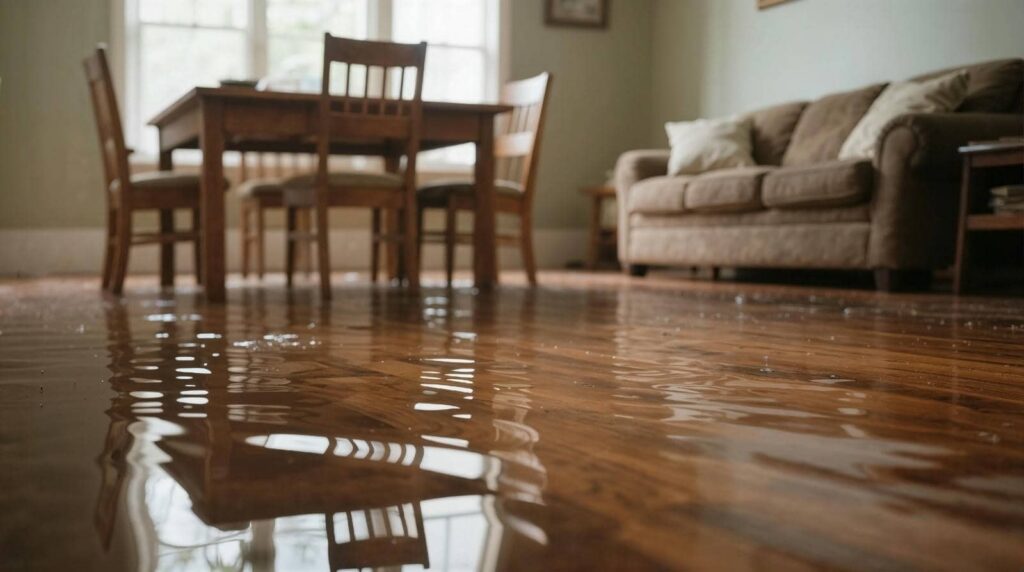
Flood Cleanup should begin as soon as it is safe to enter your home after floodwaters recede. Start by checking for electrical hazards and structural damage before removing standing water and wet materials. Using the right equipment and thoroughly drying and disinfecting the affected areas can help prevent mold growth and further damage. Taking the proper steps early can protect your home, reduce repair costs, and make the recovery process much more manageable.
Key Takeaways
- Document damage with photos for insurance claims and engage professionals if needed for cleanup and assessment.
- Prioritize safety by turning off power, wearing protective gear, and checking for structural hazards before entry.
- Use wet/dry vacuums and pumps to remove standing water quickly and efficiently.
- Maintain indoor humidity below 60% and regularly inspect for hidden moisture to prevent mold growth.
- Implement drainage solutions like French drains and swales to redirect water away from the foundation.
Immediate Actions for Flood Response: Assessing Damage and Removing Water
When a flood strikes, it’s essential to act quickly to assess the damage and remove standing water. Start by documenting the affected areas; take photos for insurance purposes.
Check for structural damage before entering any rooms. Once it’s safe, begin water removal using pumps or wet vacs. Don’t forget to wear protective gear to keep yourself safe.
If the water is deep, consider professional help. Time is vital; standing water can lead to mold and further damage, so work efficiently.
Reach out to neighbors or friends for support; you’re not alone in this. Together, you can tackle the cleanup and restore your home.
Safety First: Protecting Yourself During Cleanup
When tackling flood cleanup, your safety should be your top priority. Always wear protective gear like gloves and masks to shield yourself from contaminants.
Additionally, be cautious of electrical hazards; make certain power is turned off before you start working in affected areas.
Wear Protective Gear
Flood cleanup can be dangerous, so wearing protective gear is essential for your safety. It’s not just about keeping yourself clean; it’s about protecting your health.
Here’s what you should wear:
- Waterproof boots: Keep your feet dry and safe from debris.
- Gloves: Use heavy-duty gloves to shield your hands from contaminants.
- Masks: Protect your lungs from mold and dust by wearing a mask.
- Protective clothing: Opt for long sleeves and pants to minimize skin exposure.
Before you start, check your gear for any damage; proper gear maintenance ensures it works effectively when you need it most.
Taking these precautions helps you feel more secure and connected to a community that cares. Stay safe!
Avoid Electrical Hazards
As you begin the cleanup process, it’s crucial to be aware of electrical hazards that can pose serious risks.
Before entering, turn off power at the circuit breakers to avoid shocks. Inspect power sources for damage; wet wires can be deadly.
Keep your emergency plans in mind and make sure you have a safe exit route if needed. Review your flood insurance coverage, as this can help with repairs related to electrical damage.
If you’re unsure about the safety of your system, schedule professional electrical inspections before restoring power.
Must-Have Tools for Effective Flood Cleanup
Effective flood cleanup requires the right tools to tackle the mess and restore your home. Having the right flood cleanup essentials can make a world of difference.
Here’s a quick list of essential equipment you’ll need:
Wet/Dry Vacuum: This is vital for removing standing water efficiently.
Mops and Buckets: You’ll need these for any remaining moisture and to clean surfaces.
Fans and Dehumidifiers: They help dry out spaces and prevent mold growth.
Protective Gear: Gloves, masks, and boots keep you safe from contaminants.
Equipping yourself with these tools not only streamlines the process but also fosters a sense of community as you work to restore your home.
You’re not alone in this; many have faced similar challenges.
Step-By-Step Guide to Removing Water and Debris
When flooding strikes, prioritizing safety is vital before you start the cleanup process.
You’ll need effective water extraction techniques and a solid plan for debris removal to restore your home.
Let’s break down these essential steps to help you tackle the aftermath efficiently.
Safety Precautions First
Before diving into cleanup, it’s crucial to prioritize your safety. Flooding can pose serious risks, so take these steps to protect yourself:
Check for hazards: Look for downed power lines or unstable structures before entering your home.
Wear protective gear: Use gloves, boots, and masks to shield yourself from contaminated water and debris.
Avoid electrical appliances: Don’t use any electrical devices until you’re sure the area is safe and dry.
Know your community resources: Reach out for help; local organizations can provide support and information about flood insurance.
Water Extraction Techniques
Once you’ve secured your safety, tackling water extraction becomes your top priority.
Start by evaluating the situation and activating your sump pumps to remove standing water. If you don’t have one, consider renting or buying one quickly.
Next, check your drainage systems to confirm they’re functioning properly. Installing water barriers can help prevent further infiltration.
Utilize your emergency kits, especially if you have a wet/dry vacuum, to extract water effectively.
Keep your flood insurance details handy, as restoration services may need them for claims.
Monitor flood forecasting to stay updated on weather conditions.
Debris Removal Strategies
After you’ve managed water extraction, it’s time to tackle debris removal. This step is essential for restoring your home and ensuring safety. Here’s a simple guide to help you through the process:
Identify debris types: Look for items like mud, damaged furniture, and personal belongings.
Gather removal methods: Use shovels, buckets, or vacuum systems designed for wet debris.
Prioritize safety: Wear gloves, masks, and sturdy boots to protect yourself from sharp objects and contaminants.
Dispose responsibly: Check local regulations for proper disposal of hazardous materials and large items.
Use Effective Techniques for Drying Out Your Home
Drying out your home quickly and effectively is essential to preventing further damage and mold growth after a flood.
Start by opening windows and doors to increase airflow; this is key for effective ventilation techniques. Use fans and dehumidifiers to speed up the drying process, focusing on damp areas like carpets and walls.
If possible, remove soaked materials to enhance moisture control. Don’t forget to check hidden spots, like under cabinets or behind appliances, where moisture can linger.
Regularly monitor humidity levels with a hygrometer to ensure your home stays dry.
Stop Mold Growth After a Flood
As you work to restore your home, stopping mold growth should be a top priority. Mold can develop quickly, so act fast.
Here are some essential tips for effective mold prevention:
Humidity Control: Keep indoor humidity below 60% using dehumidifiers.
Air Circulation: Open windows and doors to enhance airflow, promoting quicker drying.
Surface Cleaning: Clean all surfaces with a mixture of water and detergent, and consider chemical treatments for stubborn areas.
Material Disposal: Remove any water-damaged materials, like carpets or drywall, to prevent mold spores from spreading.
Regular inspections are vital, too.
When Should You Call the Pros?
When should you call in the pros after a flood? If you’re dealing with significant water damage, it’s time to reach out for help.
A thorough flood damage assessment is essential, especially if you notice structural issues or extensive water saturation. Professionals can identify hidden moisture that might lead to mold growth and other problems down the line.
If the damage is beyond your ability to handle—like damaged electrical systems or large-scale debris removal—don’t hesitate to contact experts in professional restoration.
They’ve the right tools and experience to ensure your home is safe and restored properly. Remember, getting professional help isn’t just about fixing your home; it’s about reclaiming your peace of mind.
You’re not alone in this.
Post-Cleanup: Strategies to Prevent Future Flood Damage
After addressing immediate flood damage with the help of professionals, it’s time to reflect on how to prevent future incidents.
Implementing effective flood proofing measures can save you a lot of heartache. Here are four strategies to take into account:
Evaluate Your Landscape: Adjust grading to direct water away from your home.
Install Drainage Solutions: Use French drains or swales to manage excess water.
Seal Your Foundation: Apply waterproofing sealants to prevent seepage.
Maintain Gutters: Regularly clean and inspect gutters to ensure proper water flow.
Frequently Asked Questions
How Can I Tell if My Home Is Structurally Safe After Flooding?
To determine if your home’s safe after flooding, start with a foundation assessment. Look for cracks or shifting. Check walls and ceilings for sagging. If anything seems off, consult a professional to verify structural integrity.
What Types of Insurance Typically Cover Flood Damage?
Think of flood insurance as a lifeboat in turbulent waters. It typically covers damage from rising water. Review your policy’s coverage options; some homeowners’ insurance might also include limited flood protection, but often, separate flood insurance is essential.
Can I Salvage My Carpet After a Flood?
You can sometimes salvage your carpet after a flood, but it depends on the damage. For effective carpet restoration, act quickly and consider flood prevention measures to protect your home in the future.
How Long Does It Take for Mold to Develop After Flooding?
Mold can develop within 24 to 48 hours after flooding, making moisture control essential. While you hope for a quick recovery, prioritize mold prevention to protect your home and create a safe, welcoming space for everyone.
What Are the Signs of Water Damage That May Go Unnoticed?
You might notice hidden leaks behind walls, unnoticed stains on ceilings, or warped flooring. Don’t ignore these signs; they can indicate serious water damage, leading to costly repairs and health risks if not addressed promptly.
Review
As you navigate the aftermath of a flood, remember that your home can rise from the waters like a phoenix from the ashes. By following these cleanup tips, you’re not just restoring your space; you’re fortifying it against future storms. Embrace the journey of recovery with resilience and foresight, transforming challenges into opportunities for a safer, more prepared home. With each step, you’re building a stronger foundation for tomorrow.