
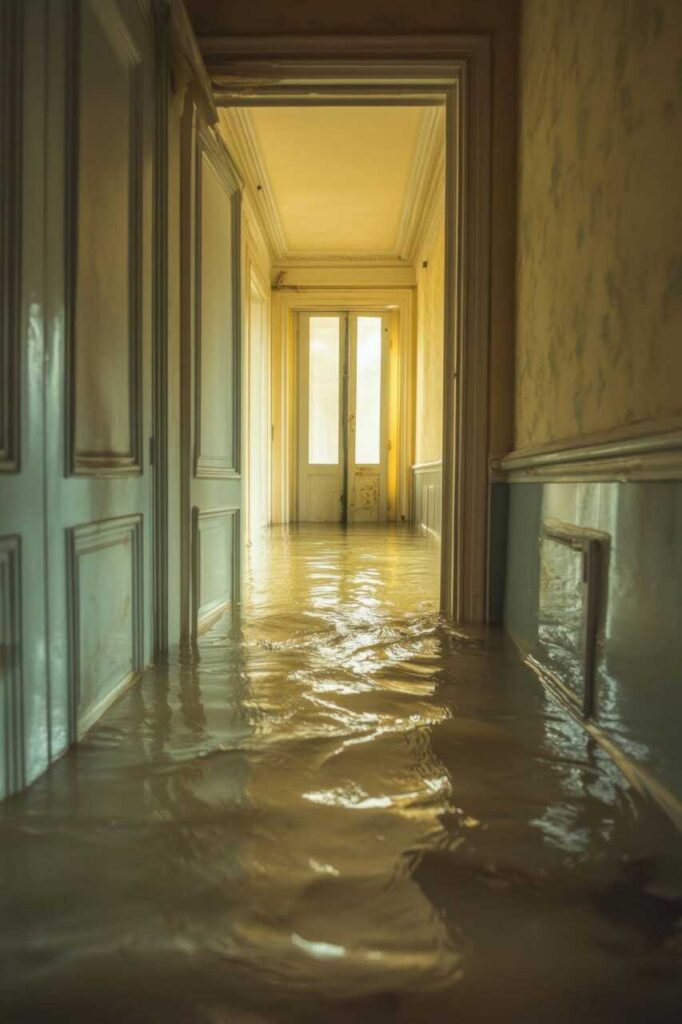
Flood Water Removal Experts provide the fast, professional response needed when flood damage extends beyond what you can see. They use moisture mapping, industrial-grade drying equipment, contamination control, and proven restoration methods to protect both your property and your health. Acting quickly helps reduce the risk of mold growth, sewage contamination, and costly secondary damage, making the first few hours after floodwater enters your home the most critical.
Key Takeaways
- Flood water removal experts respond fast, limiting structural damage and reducing the chance of mold growth within 24 to 48 hours.
- Professionals use industrial pumps, vacuums, and moisture meters to remove water thoroughly and track hidden dampness.
- Experts safely handle contaminated floodwater, including sewage, using proper containment, sanitization, and regulated disposal procedures.
- A professional assessment identifies hidden structural issues, material damage, and health risks that DIY cleanup often misses.
- Hiring experts supports safer recovery, better documentation for insurance claims, and more effective drying of walls, floors, and insulation.
When Should You Call Flood Cleanup Experts?
When should you call flood cleanup experts? You should call as soon as water enters your home, especially if it rises quickly, contacts electrical systems, or comes from storm runoff, sewage, or unknown sources.
Early emergency response protects your household, limits structural deterioration, and helps you feel supported by a trained team that knows the standards.
You should also call when moisture reaches walls, flooring, insulation, or crawlspaces that you can’t fully inspect.
Professionals perform a precise flood assessment and damage evaluation to identify hidden saturation, contamination risks, and material instability.
They’re also qualified to guide equipment selection based on water category, affected surfaces, and indoor conditions.
If you notice odors, discoloration, swelling, or recurring dampness after flooding, expert intervention is the safest next step for everyone.
What Do Flood Water Removal Experts Do First?
Begin with safety and control: flood water removal experts first secure the area, identify immediate hazards, and stop additional water intrusion if it’s still active. They check electrical risks, structural instability, contamination levels, and access points so you, your family, and your property stay protected from avoidable harm.
Next, they perform an initial assessment to map water spread, classify the flood source, and determine affected materials. Using meters, cameras, and moisture detection tools, they complete a precise damage evaluation of flooring, walls, insulation, and contents. This gives you a clear plan, not guesswork.
They also document conditions immediately for accountability and coordinated next steps. When professionals handle these first actions, you know your recovery starts on stable ground, and you’re supported by a process designed to protect everyone involved.
Why DIY Flood Cleanup Usually Fails
When you handle flood cleanup yourself, you can miss hidden moisture trapped behind walls, under flooring, and inside insulation, where mold and corrosion can keep spreading.
You also may not use the containment, disinfectants, and contact times needed to sanitize contaminated water safely.
Even if surfaces look dry, you can overlook structural damage that weakens framing, subfloors, and other load-bearing materials.
Hidden Moisture Risks
Although standing water may be gone, moisture often remains trapped inside drywall, subflooring, insulation, and wall cavities, where household fans and shop vacs can’t reach.
Without professional moisture detection, you can miss hidden hazards that weaken materials and create unsafe conditions behind surfaces that look completely dry.
You deserve a cleanup process that protects your home thoroughly. Flood water removal experts use calibrated meters, thermal imaging, and structured drying plans to track moisture migration and verify progress.
They don’t rely on guesswork, and that matters when trapped dampness can warp wood, loosen adhesives, and compromise electrical areas.
By identifying affected zones early, professionals help you avoid structural damage, costly repairs, and repeated disruption.
Their targeted approach gives you confidence that your space is drying safely, completely, and according to industry standards.
Inadequate Sanitization Methods
Even if surfaces look clean after you remove the water, flood contamination often remains in porous materials, seams, and hard-to-reach gaps where household cleaners can’t disinfect effectively.
When you rely on surface cleaning alone, you may leave behind harmful residues and invisible microbes that create health risks for everyone in your home.
DIY cleanup often uses ineffective products and inadequate techniques, especially when improper drying allows mold spores to survive and spread.
Professionals help you protect your space and your people by targeting contamination completely.
- They test affected materials
- They use EPA-registered disinfectants
- They remove harmful residues safely
- They control moisture during sanitizing
- They reduce long term effects
With expert sanitization, you can feel confident your home is cleaner, safer, and ready for your family to return together.
Structural Damage Overlooked
Hidden structural damage is one of the biggest reasons DIY flood cleanup falls short. You might remove standing water and dry visible surfaces, yet moisture can remain inside subfloors, wall cavities, support beams, and overlooked foundations.
That trapped water weakens materials, shifts loads, and creates unsafe conditions you can’t reliably detect without specialized tools.
When you hire professionals, you gain structural assessments that check for compromised framing, settlement, warped flooring, and hidden cracks.
Experts use moisture mapping, thermal imaging, and calibrated meters to trace water migration before damage spreads. That process protects your home, your family, and your sense of security.
You don’t have to guess whether the structure is safe to occupy. With trained help, you’re part of a careful recovery process that puts safety, stability, and long-term confidence first.
How Pros Find Hidden Water Damage
Because floodwater often travels beyond the obvious wet areas, professionals use moisture meters, thermal imaging cameras, and careful material testing to locate water trapped behind walls, under flooring, and inside insulation.
You get a safer, more complete assessment when trained crews follow proven inspection protocols and document moisture mapping results for every affected zone.
- They scan temperature differences with thermal imaging.
- They confirm readings with calibrated moisture meters.
- They inspect baseboards, subfloors, and wall cavities.
- They test materials to judge saturation depth.
- They mark wet zones so your whole team stays informed.
This process helps you avoid missed damage, unsafe materials, and costly surprises.
When experts trace hidden moisture accurately, you can move forward knowing your property is being evaluated with the same care trusted across your community.
How Fast Drying Prevents Mold
When you remove moisture fast, you sharply reduce the conditions mold needs to start growing.
Because mold can begin developing within 24 to 48 hours, you need rapid extraction and controlled drying to protect materials and indoor air quality.
You also stop hidden dampness in cavities, subfloors, and insulation before it turns into a larger safety issue.
Rapid Moisture Extraction
After a flood, rapid moisture extraction is critical because mold can begin developing within 24 to 48 hours in damp drywall, insulation, subflooring, and framing.
You need professionals who use precise moisture detection tools and proven extraction techniques to remove hidden water before damage spreads. Their fast, methodical response helps protect your home, indoor air, and peace of mind.
- They locate trapped moisture behind walls and under floors.
- They use commercial pumps, vacuums, and dehumidifiers correctly.
- They create targeted drying plans for each material.
- They monitor humidity, temperature, and moisture levels continuously.
- They help you return to a safer, more stable space.
When you hire experts, you’re not facing recovery alone.
You gain a team that works carefully, communicates clearly, and prioritizes your safety every step.
Mold Growth Timeframe
Fast moisture extraction directly affects how quickly mold can take hold. After flooding, many mold types can begin colonizing damp materials within 24 to 48 hours when growth conditions include warmth, organic debris, and elevated humidity.
When you hire experts, you protect your home community by shortening that window and reducing contamination risks.
Professional crews use calibrated equipment to lower moisture levels fast, which supports effective prevention strategies and safer indoor air. They also apply targeted inspection techniques to evaluate visible materials, track drying progress, and confirm that affected surfaces reach acceptable moisture thresholds.
This rapid response helps you avoid structural damage, allergen buildup, and costly remediation. You gain confidence knowing trained specialists understand timelines, act decisively, and keep your household aligned with recognized safety standards during recovery and restoration after water loss.
Hidden Dampness Control
Because moisture often travels beyond the visible water line, you can’t rely on surface drying alone to stop mold. You need fast, targeted drying that reaches wall cavities, subfloors, and insulation where hidden moisture lingers.
Flood water removal experts use damp detection tools to map wet areas, then apply calibrated airflow and dehumidification to lower moisture before spores activate. That protects your home’s structure and helps your household feel secure together again.
- Find moisture behind walls
- Verify drying with meters
- Reduce mold-friendly humidity fast
- Protect flooring and framing
- Support a safer recovery process
When you bring in trained professionals, you join a proven process built around safety, accuracy, and care.
You won’t guess about what’s dry enough; you’ll have documented results and confidence that your space is truly stabilizing.
How Professional Drying Protects Your Home
While floodwater may be gone from sight, moisture often remains inside drywall, subfloors, insulation, and framing, where it can weaken materials and create unsafe conditions.
Professional drying protects your home by removing trapped humidity before it causes deeper water damage. You benefit from moisture control methods that target wet building materials, not just visible surfaces.
Experts use air movers, dehumidifiers, and moisture meters to track drying progress and restore safe indoor conditions. This process helps preserve structural strength, reduces warping, and limits conditions that support mold growth.
It also supports your family’s comfort by stabilizing air quality and preventing lingering dampness. When drying is handled correctly, your home recovers more completely, and you gain confidence that the space you belong in is being protected with care and proven technical precision daily.
How Experts Handle Sewage Water Safely
When sewage backs into your home, experts treat it as a hazardous bio-contaminant and respond with strict safety controls. You need a team that understands sewage hazards and follows proven safety protocols to protect everyone in your household.
They secure the area, prevent cross-contamination, and manage removal in a controlled sequence so your home doesn’t face additional exposure.
- They isolate affected zones immediately.
- They assess contamination pathways carefully.
- They remove waste under regulated procedures.
- They sanitize surfaces to reduce pathogen risks.
- They verify that conditions are safer for reentry.
What Equipment Flood Cleanup Pros Use
Although flood damage can look straightforward on the surface, professionals rely on specialized equipment to remove water, control hazards, and stabilize your home efficiently. You’ll see submersible pumps, truck-mounted vacuums, and moisture meters working together to locate hidden saturation and support precise water extraction techniques.
To protect your household, crews also deploy air movers, HEPA-filtered scrubbers, and commercial dehumidification equipment. These tools lower humidity, capture contaminants, and reduce the risk of mold growth inside walls, flooring, and contents.
Infrared cameras help confirm where moisture remains, while protective gear shields technicians during contaminated cleanup. When experts use calibrated, industry-grade systems, you gain a safer restoration process and a clearer path back to normal.
That coordinated approach helps your home feel secure, supported, and part of a carefully managed recovery from day one.
How Much Flood Water Removal Costs
You can expect flood water removal costs to vary, but average pricing usually depends on the extent of water intrusion and the equipment required to restore safe conditions.
Your total cost often reflects key factors such as water category, affected square footage, material saturation, and the need for drying, sanitation, and debris removal.
When you understand these variables, you can assess estimates more confidently and prioritize both safety and proper remediation.
Average Removal Pricing
Several factors shape flood water removal pricing, but most costs come down to the amount of water, the contamination level, the affected square footage, and how quickly technicians can begin extraction and drying.
You can expect average costs to range from a few hundred dollars for minor cleanup to several thousand for large, hazardous losses.
- Emergency water extraction
- Pumping and moisture mapping
- Antimicrobial treatment
- Structural drying equipment
- Debris and odor control
These pricing factors help you understand what you’re paying for without guessing.
When you hire certified professionals, you protect your home, your health, and everyone who depends on your space. Fast response limits secondary damage, supports safer indoor air, and gives you confidence that your property is being restored to professional standards your household can trust.
Cost Factors Explained
Four primary variables drive flood water removal costs: water category, depth and spread, material saturation, and response time. Clean water costs less to extract, while gray or black water requires stricter containment, PPE, disinfection, and disposal protocols.
If water reaches wall cavities, subfloors, or insulation, you’ll need more labor, equipment runtime, and moisture verification.
Your cost breakdown also reflects demolition needs, antimicrobial treatment, dehumidification days, and post-removal testing. Faster action usually lowers structural risk and mold potential, which can reduce total charges.
A smart service comparison looks beyond the lowest quote. You should confirm technician certification, insurance, safety procedures, and documented drying standards.
When you hire qualified experts, you protect your home, your health, and your place in the community that counts on safe, responsible restoration practices daily.
How to Choose the Right Flood Cleanup Company
When floodwater enters a building, how do you know which cleanup company can restore it safely and thoroughly? You should choose a team that treats your property like part of the community and follows proven remediation standards from the first inspection onward.
Verify 24/7 emergency response and clear arrival times.
Confirm licensing, insurance, and IICRC-trained technicians.
Ask about moisture mapping, containment, drying plans, and sanitation.
Read customer reviews for consistency, professionalism, and follow-through.
Request detailed estimates, documentation, and insurance coordination.
You deserve a company that communicates clearly, protects occupants, and prevents secondary damage like mold growth or structural weakening.
When experts use calibrated meters, HEPA filtration, and documented safety protocols, you can feel confident your space will be clean, stable, and truly restored again.
Frequently Asked Questions
Does Homeowners Insurance Cover Temporary Relocation After Flood Damage?
Yes—your homeowners insurance may cover temporary relocation after flood damage if your policy includes loss-of-use or flood endorsements. Review insurance policy details carefully, confirm safety requirements, and ask about temporary housing options while your home’s restored.
Can Flood Damage Affect My Home’s Resale Value Later?
Yes—homes with flood history can lose in resale value. You protect your investment by documenting repairs, verifying structural safety, and showing buyers your home meets standards your community trusts.
Are Flood Cleanup Services Available on Weekends and Holidays?
Yes, you can usually access flood cleanup services with weekend availability and holiday services. You’ll get rapid response, safety-focused extraction, drying, and sanitation that protect your home and help your household feel supported when emergencies strike.
How Should I Document Flood Damage for Insurance Claims?
A picture’s worth a thousand words: You should photograph every room, item, waterline, and serial number, then inventory losses, save receipts, and record dates. You’ll strengthen the claim process, support damage assessment, and protect your household.
Can Floodwater Damage Personal Electronics Beyond Repair?
Yes, floodwater can damage your electronics beyond repair because water damage causes corrosion, short circuits, and contamination. You should prioritize electronics safety: don’t power devices on, isolate them, and have trusted professionals assess recovery options.
Recap
When flooding strikes, you can’t afford guesswork. By hiring flood water removal experts, you get rapid extraction, precise moisture detection, safe sewage handling, and professional drying that protects your home and health. They act like a shield between your property and long-term damage, stopping mold, structural decay, and hidden contamination before they spread. If you want cleanup done safely, completely, and fast, calling trained professionals is the smartest step you can take after a flood.