
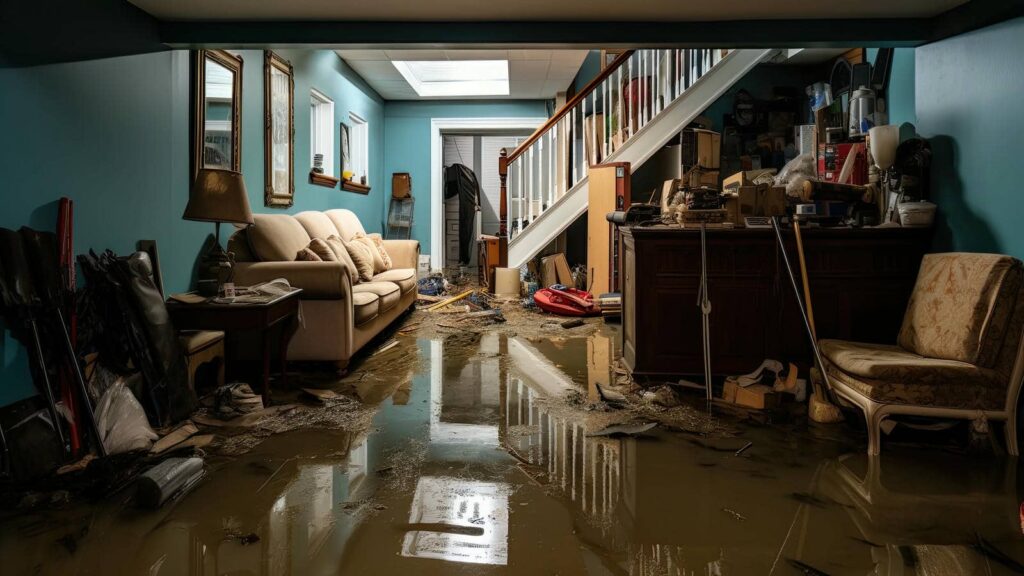
When your basement floods, choosing the right cleanup methods is crucial to protect your home and health. Effective water extraction techniques, combined with thorough drying methods, can markedly reduce damage and prevent mold growth. Understanding these approaches expedites the cleanup process and ensures your space is safe for you and your family. So, what specific techniques and strategies should you consider to tackle this challenge efficiently?
Key Takeaways
- Top basement flood cleanup methods ensure immediate action, minimizing damage and preventing complications like mold growth and structural issues.
- Effective water extraction techniques, such as suction pumps and portable extractors, expedite the removal of standing water, safeguarding belongings.
- Comprehensive drying methods, including dehumidifiers and air movers, are essential for eliminating moisture and preventing mold proliferation in the basement.
- Implementing mold prevention strategies post-cleanup, such as antifungal sprays and humidity control, reduces the risk of future mold issues.
- Professional services offer expertise and efficiency, ensuring thorough cleanup and safety, which may outweigh the potential cost savings of DIY options.
Understanding the Importance of Prompt Flood Cleanup
When you experience a basement flood, understanding the importance of prompt cleanup can’t be overstated. Immediate action is vital to minimize flood damage and prevent further complications.
Water left standing damages your belongings and creates an environment ripe for mold and mildew growth, which poses significant health risks.
By addressing the issue quickly, you protect both your property and your family’s well-being. Delaying cleanup can lead to structural damage, costly repairs, and prolonged exposure to harmful contaminants.
Make sure to assess the situation thoroughly and prioritize safety. Wearing protective gear and ensuring proper ventilation can help mitigate health risks while you work on the cleanup.
Remember, the sooner you act, the better your chances are of restoring your basement and maintaining a safe, healthy environment for you and your loved ones.
Prompt action isn’t just beneficial; it’s indispensable.
Effective Water Extraction Techniques
After you’ve assessed the situation and confirmed safety, the next step involves effective water extraction techniques to remove standing water from your basement.
Utilizing suction pumps is essential for efficiently evacuating large volumes of water. These powerful devices can handle various depths, making them ideal for flooded basements.
For smaller areas or tight spaces, portable extractors come into play. These versatile machines are user-friendly and designed to tackle water quickly, ensuring you can maneuver them with ease. They allow you to focus on specific spots that may require extra attention.
Combining suction pumps and portable extractors can greatly expedite the extraction process, reducing the risk of mold growth and further damage.
Always remember, the quicker you act, the better your chances of restoring your basement to a safe and welcoming environment. Your proactive approach will help you reclaim your space and foster a sense of belonging once more.
Comprehensive Drying Methods for Basements
How can you ensure your basement dries thoroughly after water extraction? A thorough approach is essential, and it starts with a meticulous moisture assessment. Identifying moisture levels helps you determine the right drying methods and equipment needed.
Here are three effective drying methods:
Dehumidifiers: Use commercial-grade dehumidifiers to remove excess moisture from the air. This equipment accelerates drying and prevents lingering dampness.
Air Movers: Position high-velocity fans throughout the basement to circulate air. This helps evaporate moisture from surfaces, enhancing the drying process.
Heating Equipment: In cooler temperatures, employing portable heaters can elevate the ambient temperature, promoting faster evaporation.
Mold Prevention Strategies Post-Cleanup
To effectively prevent mold growth in your basement post-cleanup, it’s crucial to implement proactive strategies immediately after drying.
Start by using mold remediation techniques, such as applying antifungal sprays to affected surfaces. This creates an inhospitable environment for mold spores.
Next, focus on humidity control tips. Aim to keep your basement’s humidity below 60% by using dehumidifiers or air conditioners. Ensure proper ventilation by opening windows when the weather permits or installing vents.
Regularly inspect and maintain your gutters and downspouts to divert water away from your foundation.
Additionally, consider using moisture barriers on floors and walls to further reduce dampness.
Professional Services vs. DIY Cleanup Options
When deciding between professional services and DIY cleanup options for a flooded basement, it’s important to evaluate your specific situation and needs. Each choice has its advantages and drawbacks that can affect your home and well-being.
Here are three key factors to reflect on:
Cost Considerations: While DIY might save you money upfront, professional services can often prevent costly damages by ensuring thorough cleanup and mold prevention.
Safety Concerns: Floodwaters can carry hazardous materials. Professionals are trained to handle dangerous situations, while DIYers might overlook safety precautions.
Time and Effort: Cleaning a flooded basement can be labor-intensive. Professionals can complete the job quickly, allowing you to return to your routine without stress.
Ultimately, the right choice depends on your comfort level and the unique challenges your flooded basement presents.
Frequently Asked Questions
How Can I Assess the Extent of Basement Water Damage?
To assess basement water damage, conduct a thorough water damage assessment. Use moisture detection tools to identify hidden damp areas, ensuring you check walls, floors, and corners. This will help you understand the extent of the damage.
What Are the Health Risks Associated With Basement Flooding?
Basement flooding poses serious health risks. You might face mold exposure, which can trigger allergies and respiratory issues. Additionally, contaminated water can harbor dangerous pathogens, increasing the risk of infections and other health complications.
How Long Does the Basement Drying Process Typically Take?
Imagine the relief of a dry basement. Typically, the drying process takes 3 to 7 days, depending on the drying techniques used and effective moisture removal, ensuring a safe, healthy environment for you and your family.
What Items Should I Discard After a Flood?
After a flood, discard any flooded belongings that are porous, such as carpets, mattresses, and upholstered furniture. Follow disposal guidelines to ensure safe and responsible removal, protecting both your health and the environment.
Are There Insurance Claims Available for Basement Flooding?
Imagine steering through a stormy sea; you need a strong ship. Similarly, understanding your insurance coverage for basement flooding can guide you through the claim process, ensuring you secure the help you deserve when disaster strikes.
Review
Choosing the right basement flood cleanup methods is like having a solid anchor in turbulent waters; it ensures you’re grounded while steering through the chaos. By prioritizing effective water extraction and thorough drying, you protect your home and your family’s health. Whether you opt for professional help or tackle the cleanup yourself, acting swiftly is essential. Don’t let lingering moisture and mold jeopardize your space—take action now to restore your basement and peace of mind.