
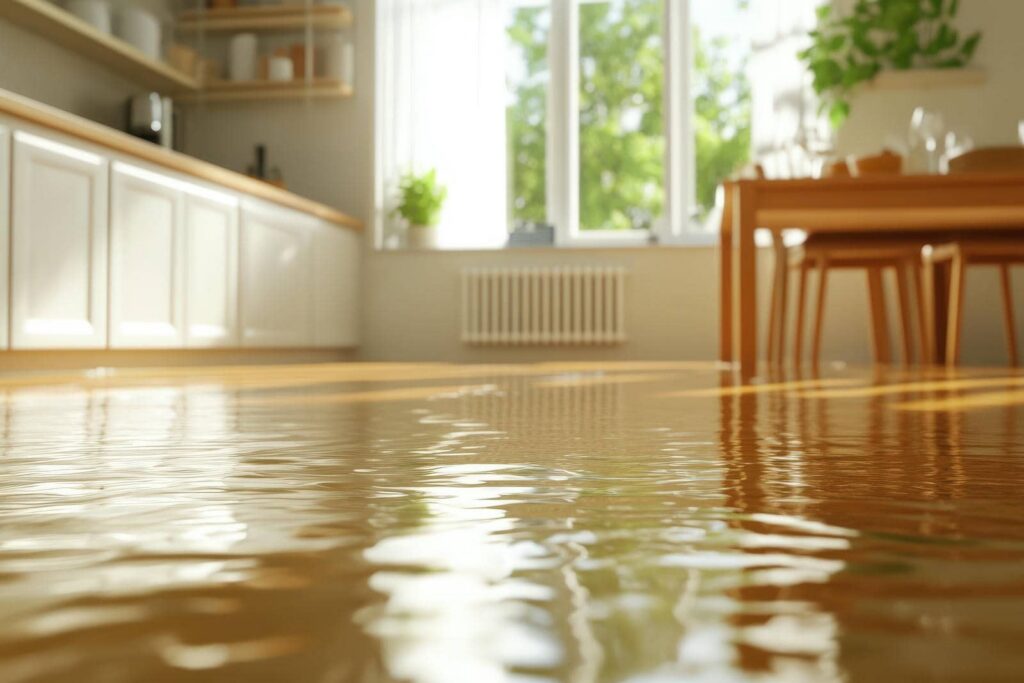
Floodwaters can contain harmful contaminants that pose serious health risks. After a flood, your immediate focus should be on safety and evaluating the damage. It’s vital to act quickly and methodically to minimize further issues. From removing water to documenting losses, every step counts. Understanding what to do next can make a significant difference in your recovery process. Let’s explore essential tips to navigate this challenging situation effectively.
Key Takeaways
- Verify safety and account for all individuals before beginning any cleanup efforts.
- Use a wet/dry vacuum for small areas and a sump pump for larger water removal.
- Document all damage with photos and maintain an inventory for insurance claims.
- Wear protective gear, including gloves and masks, to safeguard against contaminants.
- Consider hiring professionals if the damage is extensive or if you’re unsure about the cleanup process.
What to Do Immediately After a Flood
When a flood strikes, it’s essential to act quickly and safely. First, verify everyone’s safe and accounted for.
If you’ve prepared well, grab your emergency supply kits, which should include essentials like water, food, and first aid items. Avoid entering floodwaters, as they can be hazardous. Document any damage with photos for insurance purposes.
Once it’s safe, start removing wet items to prevent mold growth. Use flood preparation strategies you’ve learned, like ventilating your home and using fans to dry out spaces.
Stay Safe: Key Precautions to Remember
Before you start cleanup, make sure to assess the structural stability of your home; safety comes first.
Always wear protective gear, like boots and gloves, to shield yourself from hazards.
Taking these precautions can help you stay safe while you work through the aftermath.
Assess Structural Stability First
As you begin the challenging task of flood cleanup, it’s vital to first assess your home’s structural stability.
Start with a detailed structural inspection to identify any visible damage. Look for cracks in walls, sagging ceilings, or warped floors—these can indicate serious issues.
If you notice any signs of significant damage, it’s important to consult a professional for a thorough damage assessment. They can provide insights that mightn’t be immediately apparent and ensure your safety.
Remember, your well-being and that of your loved ones come first. Taking these steps protects your home and fosters a sense of community as you navigate this tough experience together with your neighbors.
Stay safe; you’re not alone in this.
Wear Protective Gear Always
After ensuring your home’s structural stability, the next step is prioritizing your safety.
Wearing protective gear is essential during flood cleanup to shield you from hazards. Follow these safety protocols to stay safe:
Gloves: Protect your hands from contaminants.
Boots: Waterproof footwear keeps your feet dry and safe.
Masks: Wear a mask to guard against mold spores and dust.
Goggles: Protect your eyes from debris and chemical exposure.
Coveralls: Full-body protection helps you avoid direct contact with dirty water.
Remove Standing Water: Best Methods
When it comes to removing standing water, acting quickly is essential.
You can use a wet/dry vacuum for smaller areas, or a pump for larger amounts.
Don’t forget to explore natural drainage solutions to help prevent future issues.
Use a Wet/Dry Vacuum
Grab a wet/dry vacuum to tackle standing water quickly and effectively. This tool is essential for your cleanup efforts.
Here are some wet vacuuming techniques to keep in mind:
Choose the right size: Confirm your vacuum can handle the volume of water.
Check the filter: Make sure it’s clean and dry before starting.
Use the right attachments: A wide nozzle can cover more area quickly.
Work in sections: Focus on one area at a time for thoroughness.
Empty regularly: Don’t let the tank get too full; it’ll slow you down.
Don’t forget vacuum maintenance tips; they’ll help extend the life of your equipment.
You’re not alone in this—many homeowners face similar challenges.
Pump Out Excess Water
Pumping out excess water is essential to prevent further damage to your home. Start by employing effective water removal strategies, like using a sump pump if you have one.
Make certain your sump pump is in good working order; proper sump pump maintenance can make a significant difference. If you don’t have a sump pump, consider renting one or using a wet/dry vacuum for smaller areas.
When using these tools, work systematically from the farthest point back toward the exit to avoid spreading water. Remember to wear protective gear, as floodwater can be hazardous.
Once you’ve removed the bulk of the water, continue monitoring the area for moisture, as lingering dampness can lead to mold growth. Your home deserves the best care during this tough time.
Natural Drainage Solutions
Although you may feel overwhelmed, utilizing natural drainage solutions can effectively remove standing water from your property.
These methods help manage excess water while enhancing your landscape. Here are some practical strategies:
Install drainage systems: Properly designed systems can redirect water away from your home.
Implement landscape grading: Ensure your yard slopes away from your foundation to prevent pooling.
Create swales: These shallow ditches can guide water flow naturally.
Plant absorbent vegetation: Native plants can soak up excess moisture while beautifying your space.
Use rain barrels: Collect runoff and reduce standing water around your home.
Effective Techniques for Drying Out Your Home
When dealing with water damage, it’s crucial to act quickly—every hour counts. Start by removing any standing water with a pump or wet vacuum.
Once that’s done, place dehumidifiers strategically throughout your home to lower humidity levels. Aim for corners and areas where moisture lingers—effective dehumidifier placement can make a huge difference.
Next, increase air circulation by opening windows and using fans. This helps evaporate moisture quickly, reducing the risk of mold growth.
Rotate fans to cover all areas, ensuring ideal airflow. Remember, the sooner you dry out your home, the lesser the damage.
You’re not alone in this; many have faced similar challenges and successfully restored their homes with these techniques. Stay strong!
Clean and Disinfect: Keep Your Home Safe From Flood Damage
To ensure your home stays safe after a flood, you must clean and disinfect thoroughly. Start with a flood damage assessment to identify areas needing attention.
Gather your cleaning supplies using a checklist to confirm you have everything you need. Here’s what you should include:
- Rubber gloves
- Disinfectant solutions
- Mops and buckets
- Scrub brushes
- Trash bags
Once you have your supplies, focus on surfaces that came into contact with floodwater. Clean and disinfect floors, walls, and furniture.
Don’t forget to air out the space to prevent mold growth. Taking these steps helps protect your home and creates a safe environment for you and your loved ones.
You’re not alone in this; your efforts matter.
Tips for Recovering Valuables Like Electronics and Furniture
Recovering valuable items like electronics and furniture after a flood can feel overwhelming, but acting quickly can make a significant difference.
Start by unplugging and moving electronics to a dry area. If possible, take them to a professional for electronics restoration, as time is essential for preventing further damage.
For furniture, remove excess water and dry items thoroughly; use fans and dehumidifiers if needed. Check for mold and consider using specialized cleaners to ensure furniture preservation.
Document any damage for future reference. Remember, some items may not be salvageable, and it’s okay to let go.
Your focus should be on restoring what you can while prioritizing your safety and well-being.
Document Everything for Insurance Claims
Documenting everything for insurance claims is essential in the aftermath of a flood. Proper documentation strategies can make a significant difference in your claim process.
Here are some key insurance tips to follow:
- Take clear photos of all damaged areas and items.
- Keep a detailed inventory of lost or damaged possessions, including purchase dates and values.
- Save all receipts for repairs or replacements.
- Document conversations with insurance agents, noting dates and details.
- Collect any relevant reports from local authorities regarding the flood.
When to Call in Flood Cleanup Experts?
When should you consider bringing in flood cleanup experts? If you’re facing extensive flood damage that seems overwhelming, it’s time to reach out for help.
Don’t underestimate the significance of an expert assessment; professionals can identify hidden issues like mold or structural damage that you might miss.
If your home has been submerged for more than 24 hours, calling in experts is vital to prevent long-term problems.
Additionally, if you feel uncertain about the cleanup process or lack the necessary equipment, it’s better to let professionals handle it.
Prevent Future Flooding: Essential Steps
To effectively prevent future flooding, you must assess your home’s vulnerabilities and take proactive measures.
Start by making key improvements to safeguard your space and your loved ones.
Invest in flood-resistant landscaping to redirect water away from your home.
Upgrade your drainage system to ensure proper water flow and reduce pooling.
Clear gutters and downspouts regularly to prevent blockages.
Install sump pumps or backflow valves to manage excess water effectively.
Create a flood emergency plan with your family, so everyone knows what to do when disaster strikes.
Understanding Your Flood Insurance Coverage
You’ll want to know the different types of coverage available, common exclusions, and how to file claims effectively.
This knowledge can make a significant difference in your ability to rebuild and move forward.
Coverage Types Explained
While managing the complexities of flood insurance, it’s crucial to know what coverage types are available to you. Understanding these can greatly impact your recovery after a flood. Here’s a quick rundown:
Building Coverage: Protects the structure and foundation.
Personal Property Coverage: Covers your belongings, like furniture and appliances.
Coverage Limits: Know your maximum payouts for claims.
Replacement Costs: Understand how much you’ll get to replace damaged items.
Risk Assessment: Review your flood zone to determine your needs.
Familiarizing yourself with these aspects can streamline claim procedures and clarify policy exclusions.
Common Exclusions Noted
What should you be aware of when it comes to common exclusions in flood insurance? Many homeowners fall victim to common misconceptions about their coverage.
For instance, most policies don’t cover damage from sewer backups unless specific endorsements are added. You also won’t find coverage for flood-related damage due to neglect or poor maintenance of your property.
Additionally, personal belongings like valuable art or electronics might’ve limited protection. It’s essential to read your policy carefully and ask questions to ensure you fully understand what’s included and what’s not.
Filing Claims Process
Maneuvering the claims process after a flood can feel overwhelming, but knowing the steps can ease your stress. Start by gathering your claim documentation to support your case. Here’s how to streamline the process:
Contact your insurance company promptly to report the flood.
Document damages thoroughly with photos and notes.
Review your policy for coverage details and exclusions.
Submit your claim with all necessary documentation.
Follow up regularly for updates and insurance adjustments.
Being proactive helps you stay informed and ensures you don’t miss any essential steps.
Frequently Asked Questions
How Can I Identify Hidden Water Damage in My Home?
To identify hidden water damage, use moisture assessment tools to check walls and floors. Look for water detection signs like discoloration, peeling paint, or musty odors. Trust your instincts; addressing issues early can prevent bigger problems.
What Personal Protective Equipment Should I Wear During Cleanup?
You’d think cleanup’s just a stroll through the water, right? Wear safety gear like gloves, boots, and masks to shield yourself from flood hazards. Protecting yourself keeps you safe while helping your home recover.
How Long Should I Wait Before Returning Home After a Flood?
You should wait at least 24 to 48 hours after a flood, ensuring flood safety. Check with local authorities for a return timeline, and prioritize your well-being and community safety before heading back home.
Are There Specific Plants That Can Help With Flood Recovery?
Yes, consider planting flood-resistant plants like cattails and river birch. They help with soil restoration by stabilizing the ground and absorbing excess water, creating a healthier environment for your home and community.
What Are the Signs of Mold Growth to Watch Out For?
Watch for musty odors, discoloration on walls, or fuzzy patches on surfaces. Keep indoor humidity below 60% to aid mold prevention, and act quickly if you spot any signs to protect your home and health.
Summary
As you tackle flood cleanup, remember to prioritize safety and thoroughness. Have you taken the time to document all the damage? By following these tips, you can restore your home and protect it from future incidents. Don’t hesitate to call in professionals if the task feels too overwhelming. Your well-being and your home’s safety are worth the effort. Stay proactive and ensure you’re prepared for whatever comes next.