
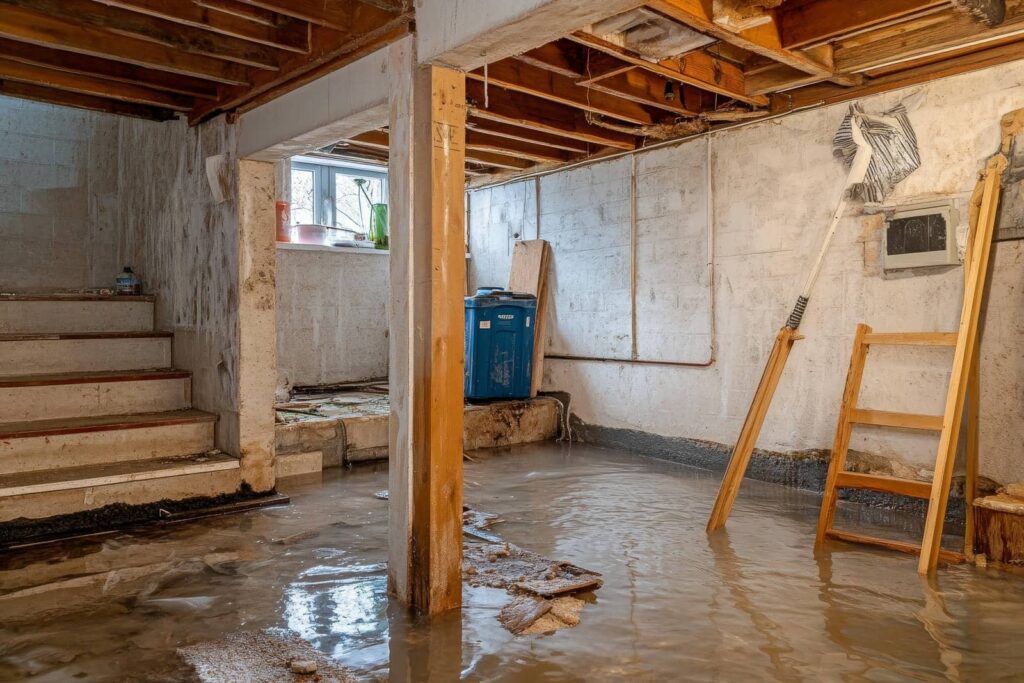
When faced with water damage, maneuvering through the insurance claims process can feel overwhelming. You’ll need to assess and document the damage meticulously, ensuring every detail is captured for your insurer. Understanding your policy coverage is vital, as it determines what’s included and what’s not. The steps you take now can greatly impact your claim’s outcome. To make the most of your situation, it’s essential to know how to proceed effectively. Let’s explore the necessary steps.
Key Takeaways
- Conduct a thorough inspection to document the water damage, including photos and notes for your insurance claim.
- Contact your insurance provider promptly, ensuring you have your policy number and damage documentation ready.
- File the claim by completing the required forms and submitting all relevant evidence of the damage and repair estimates.
- Gather multiple contractor quotes to compare costs and ensure quality workmanship for the repairs needed.
- Maintain open communication with your claims adjuster and track the progress of your claim regularly.
Assessing the Damage
When you discover water damage in your home, determining the extent of the damage should be your first priority.
Start with visual inspection methods to identify visible signs like stains, warped surfaces, or mold growth. Check areas around windows, pipes, and roofs, where leaks often occur.
Use damage evaluation techniques to gauge the severity; this can involve probing materials to check for softness or using moisture meters to detect hidden moisture levels.
Don’t forget to inspect both the interior and exterior of your home.
If you find significant damage, consider documenting your findings with photos and detailed notes, as this information could be crucial for your insurance claim.
By systematically evaluating the damage, you protect your home and ensure you’re well-prepared for the next steps in the claims process.
Your thorough assessment can make a significant difference in resolving the situation effectively.
Documenting the Incident
As you begin to address the water damage, documenting the incident is essential for your insurance claim.
Clear and detailed records will support your case, ensuring you receive fair compensation.
Follow these steps to create a thorough documentation process:
Capture Photographic Evidence: Take clear photos of the damage from various angles. Include close-ups of affected areas and any belongings that were harmed.
Create Incident Timelines: Note the date and time when the damage occurred. Document when you discovered it and any actions you took immediately afterward.
Compile Repair Estimates: Gather quotes from professionals to assess the cost of repairs. This information will help substantiate your claims with your insurance company.
Contacting Your Insurance Provider
Once you’ve thoroughly documented the water damage, it’s time to reach out to your insurance provider. Make your initial contact as soon as possible; timely reporting can greatly affect your claim process.
When you call, have your policy number and all documentation ready to streamline the conversation. Use clear, concise language to explain the situation. Communication tips like staying calm and focused can help ensure your concerns are understood.
Don’t hesitate to ask questions if something’s unclear; this ensures you’re on the same page. Taking detailed notes during your conversation can also be beneficial. Record the name of the representative and any reference numbers for future follow-ups.
This will create a solid foundation for your claim and foster a sense of trust and cooperation with your provider. By approaching this step methodically, you’ll enhance your chances of a smoother claims experience.
Understanding Your Policy Coverage
To effectively navigate water damage claims, it’s essential to understand what your insurance policy covers.
Familiarize yourself with key coverage components, note any exclusions, and grasp the limits on claims.
This knowledge will empower you to make informed decisions when filing a claim.
Key Coverage Components
Understanding the key coverage components of your water damage insurance policy is essential for effective claim management. Grasping the various coverage types and policy nuances can greatly influence your experience during a claim.
Here are three critical components to take into account:
Dwelling Coverage: This covers the physical structure of your home, including walls, roof, and flooring.
Personal Property Coverage: This protects your belongings, such as furniture and electronics, from water damage.
Additional Living Expenses: If your home becomes uninhabitable, this coverage helps with temporary housing and related costs.
Exclusions to Note
While knowing the key coverage components is important, it’s equally essential to be aware of the exclusions that may limit your policy. Common exclusions can greatly impact your claim, so make certain you read your policy carefully.
For instance, standard homeowners’ insurance often doesn’t cover flood damage, and you may need a separate flood coverage policy to protect against such risks. Additionally, damage resulting from negligence or poor maintenance is typically excluded.
Understanding these exclusions helps you avoid surprises when filing a claim. By being proactive and informed, you can navigate your policy more effectively and ensure you have the right coverage to protect your home from water damage.
Claim Limits Explained
When managing your water damage insurance policy, knowing the claim limits is essential for effective coverage management.
It helps to understand how different claim types affect your policy limits. Here’s a breakdown:
Dwelling Coverage: This covers the structure of your home. Verify your limits reflect current rebuilding costs.
Personal Property Coverage: This addresses your belongings affected by water damage. Know the limits to avoid being underinsured.
Additional Living Expenses: If you need temporary housing, these limits cover your living costs during repairs.
Be proactive by reviewing your policy regularly.
Understanding these specifics empowers you and ensures you’re adequately protected during claims, fostering a sense of security within your community.
Filing the Claim
Filing a water damage insurance claim can be a straightforward process if you follow the right steps. Start by gathering all necessary documentation, including photos of the damage and any repair estimates. This evidence will support your claim submission, making it easier for your insurer to assess your situation.
Next, fill out the claim form meticulously, ensuring that you include all relevant details about the incident. Pay attention to your insurance policy’s specific requirements, as these can affect your claim timeline.
After submitting your claim, keep a record of all communications with your insurer, as this will help you stay organized and informed throughout the process.
Finally, monitor the progress of your claim. If delays occur, don’t hesitate to reach out for updates. Being proactive can help you navigate the claims process more effectively, ensuring you receive the support you need during this challenging time.
Working With Adjusters
Understanding how to effectively work with insurance adjusters is essential for maximizing your water damage claim. Building a solid relationship can make a significant difference in your experience.
Here are three key strategies to enhance your adjuster communication and negotiation tactics:
Be Prepared: Gather all relevant documentation, including photographs, repair estimates, and any previous correspondence. This will help you present a strong case.
Establish Rapport: Approach your adjuster with a friendly attitude. A positive relationship can foster better communication and may lead to more favorable outcomes.
Stay Organized: Keep detailed records of all interactions, including dates, times, and topics discussed. This ensures you have a clear reference for future conversations and demonstrates your professionalism.
Getting Estimates for Repairs
When you’ve assessed the damage, obtaining detailed estimates for repairs becomes essential.
A thorough estimate outlines the necessary work and provides a basis for comparing quotes from multiple contractors.
This comparison helps ensure you choose the best option for your budget and needs, ultimately streamlining your insurance claim process.
Importance of Detailed Estimates
Accurate estimates are essential in the process of managing water damage insurance claims. They provide you with the necessary tools to advocate for your needs effectively.
Here’s why detailed estimates matter:
Detailed Breakdowns: A thorough estimate outlines each repair aspect, ensuring you understand where funds are allocated.
Accurate Projections: You’ll get a clearer picture of costs, helping to avoid unexpected financial surprises during the repair process.
Insurance Support: Insurers often require detailed estimates to process your claim efficiently, making your submission more robust.
Comparing Multiple Contractors’ Quotes
How can you ensure you’re making the best choice for your water damage repairs? Start by gathering quotes from multiple contractors. This step helps you understand the market and enables effective price comparisons.
While reviewing estimates, pay close attention to contractor qualifications. Check their certifications, experience, and customer reviews to ascertain you’re hiring someone reliable. Don’t just settle for the lowest bid—consider the value of quality workmanship and materials. It’s vital to balance cost with expertise.
Once you have a range of quotes, evaluate each one meticulously, taking into account both price and qualifications. This thorough approach ensures you’ll feel confident and secure in your final decision, fostering a sense of belonging in your community of informed homeowners.
Following Up on Your Claim
As you navigate the complexities of your water damage insurance claim, it’s vital to follow up regularly to ensure your case progresses smoothly.
Consistent follow-up communication helps you stay informed about your claim status and demonstrates to your insurer that you’re engaged and proactive.
Here are three essential steps to take into account:
Schedule Regular Check-Ins: Set reminders to contact your claims adjuster weekly or bi-weekly. This ensures you stay updated on any developments.
Document Your Conversations: Keep a record of all communication, including dates, names, and details discussed. This helps you track your claim’s progress and provides a reference if issues arise.
Be Prepared for Questions: Have any requested documents or information ready during your follow-ups. This can help expedite the process and show your commitment to resolving the matter.
Completing the Repair Process
Once your water damage claim is approved, completing the repair process efficiently is essential to restoring your property and peace of mind. Start by establishing a clear repair timeline management strategy. Outline key milestones and deadlines to keep everyone accountable. This ensures the repairs progress smoothly and minimizes further disruption to your life.
Next, focus on the contractor selection process. Research reputable contractors with experience in water damage repairs. Ask for references, and check reviews to gauge their reliability. When you meet potential contractors, discuss your expectations and the timeline to make sure they align with your needs.
Finally, maintain open communication throughout the repair process. Regular check-ins with your contractor can help you stay informed about progress and any unforeseen issues.
Frequently Asked Questions
What Types of Water Damage Are Typically Covered by Insurance?
Most insurance policies cover water damage from burst pipes and certain types of flooding. However, flood damage and sewer backup often require additional coverage, so check your policy details to ensure you’re fully protected.
How Long Do I Have to File a Water Damage Claim?
In the domain of insurance, time’s essence is paramount. You typically have one to two years to file your claim, depending on your policy. Adhering to claim deadlines ensures a smoother filing process and avoids unnecessary complications.
Will My Premiums Increase After Filing a Water Damage Claim?
Yes, your premiums might increase after filing a water damage claim, especially if you file frequently. Insurers often consider claim frequency when evaluating premium impact, so weigh the potential costs before proceeding with your claim.
Can I Choose My Own Contractor for Repairs?
Yes, you can choose your own contractor for repairs. However, confirm their estimates align with your insurance provider’s guidelines, as this affects repair costs and the approval of your claim. Choose wisely for ideal results.
What if My Claim Is Denied?
If your claim’s met with a closed door, don’t lose hope. You can initiate a claim appeal, carefully addressing the denial reasons. Thoroughly review the details and gather supporting documents to strengthen your case.
Conclusion
Managing water damage insurance claims can be complex, but staying organized and proactive makes a significant difference. While some believe that insurers often deny claims, the truth is that thorough documentation and clear communication can lead to successful resolutions. By understanding your policy and maintaining detailed records, you empower yourself to advocate effectively for your needs. Ultimately, the approach you take during this process can determine the outcome of your claim and your peace of mind.