
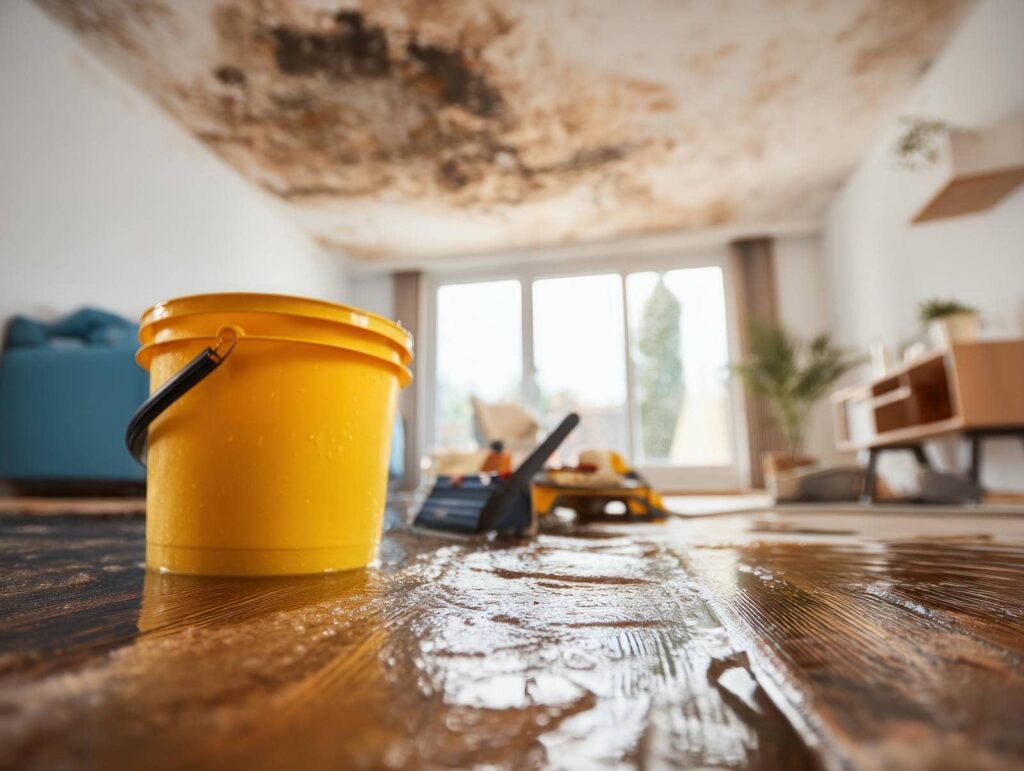
Filing a water damage insurance claim can be straightforward or frustratingly complex. Understanding the steps involved is vital to ensure you’re properly compensated for your losses. From evaluating the damage to maintaining communication with your adjuster, each phase requires careful attention. Missing just one detail could delay your claim. So, how do you navigate this process effectively and avoid common pitfalls? Let’s explore the essential steps to help you manage your claim efficiently.
Key Takeaways
- Assess and document the water damage, noting the source and extent, and take clear photos for insurance claims.
- Review your insurance policy to understand coverage limits, exclusions, and necessary conditions for filing a claim.
- Contact your insurance company promptly to report the damage and fill out the claim form with detailed information.
- Gather all supporting documentation, including photos and repair invoices, and submit the claim according to your insurer’s guidelines.
- Follow up regularly with the insurance adjuster to track the status of your claim and address any questions or concerns.
Assess the Water Damage Situation
How do you effectively assess the water damage situation? Start with water source identification. Determine where the water intrusion originated—whether it’s a burst pipe, roof leak, or flooding. Pinpointing the source is essential for addressing the problem and preventing further damage.
Next, proceed with a damage severity assessment. Inspect the affected areas meticulously, noting stains, warping, or mold growth. Assess the extent of damage to walls, floors, and personal belongings. Use moisture meters to evaluate hidden moisture levels, which can indicate deeper issues.
Document your findings systematically; this will aid in the insurance claim process. Remember, the sooner you assess and address the damage, the better chance you have at minimizing loss and ensuring a thorough recovery.
Document the Damage With Photos and Videos
Documenting damage with photos and videos is essential for supporting your insurance claim.
You need to capture thorough angles to provide a clear view of the extent of the damage. Additionally, including timestamps and date verification enhances the credibility of your documentation.
Importance of Visual Evidence
Visual evidence plays an essential role in strengthening your water damage insurance claim. By providing clear photographic evidence, you enhance your credibility and make it easier for your insurer to understand the extent of the damage.
Visual documentation allows adjusters to see the impact of the water damage firsthand, which can expedite the claims process. It’s important to capture the affected areas, including walls, floors, and personal belongings. This evidence supports your narrative and serves as a factual basis for your claim.
Additionally, thorough documentation can help prevent disputes over the severity or cause of the damage. Ultimately, having solid visual evidence reinforces your position, making it a significant element in successfully managing your insurance claim.
Capturing Comprehensive Angles
Capturing thorough angles of the water damage is essential for a compelling insurance claim. Start by documenting every affected area, ensuring you include wide shots and close-ups. This extensive approach highlights the extent of the damage and the need for immediate restoration services.
Pay attention to details like mold growth or structural issues, as these can impact your claim considerably. Use your photos and videos to illustrate preventive measures taken, like moving furniture or blocking leaks.
Remember, clarity is key; avoid cluttered backgrounds that might distract from the damage. Properly documenting the situation strengthens your claim and demonstrates your commitment to resolving the issue efficiently.
This detailed evidence reinforces your case when working with your insurer.
Timestamp and Date Verification
When you take photos and videos of the water damage, it’s vital to include clear timestamps and dates to establish a reliable timeline of the incident.
Accurate timestamp and date documentation can greatly bolster your insurance claim, as they serve as irrefutable evidence of when the damage occurred. Verify your camera’s settings are correct to maintain timestamp accuracy; this detail is essential in demonstrating the sequence of events.
Capture multiple angles, focusing on the extent of the damage, while confirming that your device’s date and time settings reflect the actual incident.
This meticulous approach aids your claim and fosters a sense of community understanding, ensuring that everyone involved understands the severity of the situation.
Review Your Insurance Policy
Before filing your claim, it’s essential to review your insurance policy thoroughly.
You’ll want to understand the coverage limits, as these dictate how much you can recover.
Additionally, identifying any exclusions and conditions will help you anticipate potential hurdles in the claims process.
Understand Coverage Limits
Understanding coverage limits is vital for effectively managing water damage insurance claims. You’ll want to review the coverage specifics in your policy to ensure you’re fully aware of what’s included. This means reviewing your policy limits carefully.
Pay close attention to the maximum amounts your insurer will pay for repairs and replacements. It’s also important to note any separate limits for specific items or types of damage. Knowing these details helps you set realistic expectations and avoid surprises during the claims process.
If your coverage limits are inadequate, you may face out-of-pocket expenses that could strain your finances. Familiarizing yourself with these limits can ultimately provide peace of mind and strengthen your claim’s success potential.
Identify Exclusions and Conditions
While you may feel confident about your coverage, it’s essential to identify exclusions and conditions that could impact your water damage insurance claim. Start by carefully reviewing your policy for exclusion clauses that specify situations not covered, such as flooding from natural disasters or wear and tear.
Understanding these exclusions will help you better prepare for potential claims. Additionally, pay attention to policy conditions that must be met for coverage to apply, such as timely reporting of damages or specific maintenance requirements.
Contact Your Insurance Company
Contacting your insurance company promptly is crucial when dealing with water damage claims. The sooner you reach out, the better your chances of steering the claim process smoothly.
Start by reviewing your insurance policy to understand your coverage and any specific requirements for filing a claim. Knowing what’s covered can save you time and frustration.
When you contact your insurer, be prepared to provide details about the damage, including when it occurred and the extent of the impact. This information helps them assess your situation accurately.
Keep a record of your communication, including dates and the names of representatives you speak with. This documentation can be critical if any disputes arise during the claim process.
Establishing a clear line of communication with your insurance company fosters a sense of security, knowing that you’re taking proactive steps to address the water damage effectively.
Fill Out the Insurance Claim Form
When filling out the insurance claim form, you’ll need to provide specific required information to support your claim.
It’s important to be aware of common mistakes that could delay the process or lead to denial.
Ensuring accuracy and completeness in this step is vital for a successful claim.
Required Information Overview
Filling out the insurance claim form accurately is essential for a successful water damage claim. To meet the claim requirements, you’ll need to provide specific details about the incident, including the date, time, and cause of the water damage.
Confirm you describe the extent of the damage clearly and list any affected areas in your property. Attach necessary documentation, such as photographs of the damage, repair estimates, and any relevant invoices.
Additionally, include your policy number and personal contact information to streamline the process. By compiling this information meticulously, you enhance your chances of a smooth claims experience and demonstrate your commitment to fulfilling the insurer’s requirements.
Common Mistakes to Avoid
While steering through the insurance claim process, avoiding common mistakes can greatly impact the outcome of your water damage claim. Here are some common pitfalls to watch out for:
Incomplete Information: Failing to provide all required details can lead to claim delays. Make sure every field is filled out accurately.
Missing Documentation: Not attaching necessary photos or repair estimates can weaken your case. Always include supporting documents to validate your claim.
Ignoring Deadlines: Neglecting to submit your claim within the required time frame can result in denial. Be aware of all deadlines and adhere to them strictly.
Gather Supporting Documentation
Gathering supporting documentation is vital for a successful water damage insurance claim. You need to collect all relevant claim documentation, including photographs of the damage, receipts for repairs, and any correspondence with your insurance provider.
Organizing this evidence is essential; it helps you present a clear and compelling case. Start by creating a folder—digital or physical—where you can store everything systematically.
Label each piece of documentation, making it easy to reference when needed. For example, categorize photos by room or damage type and keep repair invoices together. This method streamlines the process and demonstrates your thoroughness to the insurance adjuster.
Submit the Claim
After you’ve meticulously organized your documentation, it’s time to submit the claim to your insurance provider.
The claim submission process is vital for initiating claim processing, so make sure you follow these steps carefully:
Choose your submission method: Decide whether you’ll submit online, via mail, or in person, based on your provider’s guidelines.
Double-check your documents: Before sending, confirm you’ve included all required forms, photos, and receipts to avoid delays.
Keep a copy for yourself: Retain copies of everything you submit, along with any correspondence, to maintain a clear record of your claim.
Follow up With Your Insurance Adjuster
Once your claim is submitted, maintaining communication with your insurance adjuster is important for a smooth claims process. Regular contact with your adjuster can help clarify any uncertainties about your claim and ensure that all necessary documentation is in order.
It’s beneficial to establish a schedule for claim follow-up, whether it’s weekly or bi-weekly, to stay updated on the status of your claim.
Be proactive in reaching out, as this illustrates your commitment to resolving the issue promptly. When you contact your adjuster, ask specific questions about timelines, required documents, and any additional steps you might need to take.
This approach keeps you informed and builds rapport, making it easier to address any potential complications that may arise. Your adjuster is there to assist you, so don’t hesitate to utilize their expertise throughout this process.
Keep Records of All Communication
Keeping thorough records of all communication related to your water damage claim is essential for a successful outcome. By maintaining detailed communication logs, you create a clear timeline of events, ensuring nothing falls through the cracks.
Here’s what you should include:
Dates and times – Document when conversations occur, whether in person, over the phone, or via email.
Participants – Note who you spoke with, including their roles and contact information.
Summary of discussions – Write down key points discussed, decisions made, and any action items related to claim follow-ups.
This organized approach helps you stay informed and provides valuable evidence if disputes arise.
When your communication logs are clear and thorough, you empower yourself in the claims process, fostering a sense of belonging and support in maneuvering this challenging situation.
Understand the Settlement Process
Understanding the settlement process is essential for maneuvering your water damage insurance claim effectively. Knowing the settlement timeline helps you set realistic expectations and prepare for each stage of the process. Typically, insurers conduct an investigation, followed by an evaluation of your claim, which may take weeks to months.
To enhance your chances of a favorable outcome, employ effective negotiation strategies. Start by presenting clear, organized documentation of the damage and your associated costs. Don’t hesitate to challenge low offers based on your evidence; showing your insurer that you’re informed can foster a more productive dialogue.
Throughout the process, maintain regular communication with your insurance adjuster to stay updated on any developments. By understanding these key elements, you’ll feel more empowered to advocate for your rightful compensation and connect with others traversing similar challenges.
Frequently Asked Questions
What Types of Water Damage Are Typically Covered by Insurance?
Insurance typically covers water damage from pipe bursts and, in some cases, flood damage if you have specific flood insurance. It is crucial to review your policy for coverage details and limitations regarding these incidents.
How Long Does the Claims Process Usually Take?
The claims timeline typically ranges from a few weeks to several months. Processing delays can occur due to missing documentation or complex claims, so staying organized and responsive can help expedite the process considerably.
Can I File a Claim for Mold Damage?
Yes, you can file a claim for mold damage if it results from a covered incident. Review your insurance policy details, and consider mold prevention tips to reduce future risks and strengthen your claim.
What if My Claim Gets Denied?
If your claim gets denied, review the denial reasons carefully. You can initiate the appeal process by gathering supporting documentation and addressing the insurer’s concerns. Persistence often leads to successful resolutions in these situations.
Will My Premiums Increase After Filing a Claim?
Filing a claim can be like opening Pandora’s box; your premiums might increase. Insurers often adjust premiums based on claim frequency, so be aware of how multiple claims can impact your overall costs.
Wrap-Up
Filing a water damage insurance claim can feel overwhelming, but following these steps simplifies the process. By thoroughly evaluating and documenting the damage, you set a strong foundation for your claim. Notably, many find that staying organized and proactive leads to quicker resolutions. As you communicate with your adjuster, you might discover unexpected insights about your policy and coverage. Ultimately, understanding the process aids in your claim and can empower you in future situations.