
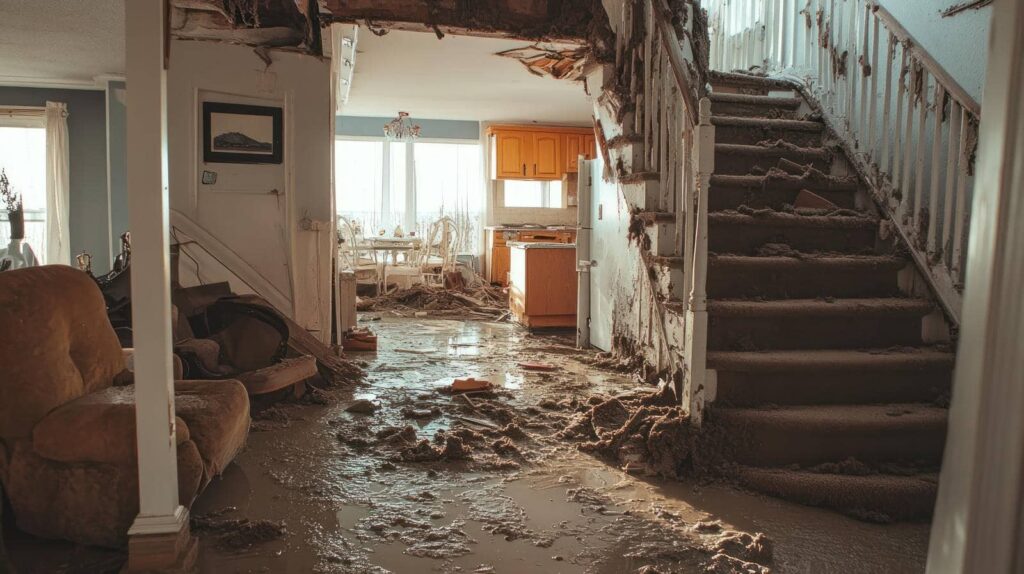
When you’ve experienced water damage, it’s vital to act quickly to stop mold growth. Start by evaluating the extent of the damage and identifying the source of moisture. Removing standing water promptly is necessary, as is thoroughly drying affected areas. Use dehumidifiers and fans to ensure everything is completely dry. But that’s just the beginning—understanding how to clean and disinfect surfaces effectively can make all the difference in your mold prevention strategy.
Key Takeaways
- Quickly identify and eliminate the source of moisture to prevent further water intrusion.
- Extract water using pumps or wet vacuums and absorb residual moisture with towels.
- Utilize dehumidifiers and fans to promote drying and reduce humidity levels.
- Clean and disinfect all affected surfaces with mold-fighting products to prevent regrowth.
- Regularly inspect and maintain areas prone to moisture for early detection and prevention.
Assess the Extent of Water Damage
Before you tackle mold prevention, you must first assess the extent of water damage in your space. Start by identifying the source of the moisture, whether it’s from a leak, flooding, or condensation.
Examine visible areas like walls, ceilings, and floors for discoloration or warping, which indicates water intrusion. Use a moisture meter to measure humidity levels in affected materials; anything above 20% indicates significant water damage.
Don’t forget hidden spaces such as behind appliances or within walls. This damage assessment is essential for determining the severity of the problem.
Document your findings thoroughly, noting specific areas and materials impacted. This information will guide you in prioritizing repairs and mold prevention strategies.
Remove Standing Water Promptly
Act quickly to remove standing water, as delays can greatly increase the risk of mold growth.
When dealing with water damage, efficient water extraction is essential. Here’s how to tackle standing water effectively:
Identify the Source: Determine where the water is coming from to prevent further intrusion.
Use Appropriate Equipment: Employ pumps and wet vacuums designed for efficient water extraction.
Protect Yourself: Wear protective gear, including gloves and masks, to safeguard against contaminants.
Assess the Area: Check for any hidden pockets of water that may not be immediately visible, as they can also contribute to mold growth.
Dry Affected Areas Thoroughly
After removing standing water, the next step is to dry affected areas thoroughly to prevent mold growth.
Start by using effective drying techniques, such as towels or mops, to absorb residual moisture from surfaces. For larger areas, consider using a wet/dry vacuum to expedite the process.
It’s essential to create moisture barriers by sealing off areas that might trap dampness, such as closets or poorly ventilated rooms, which can harbor mold spores.
Ensure that air circulation is maximized by opening windows and doors, allowing fresh air to flow through. You might also want to remove carpets, rugs, or any porous materials that retain moisture.
By diligently drying these areas, you greatly reduce the risk of mold establishment. Remember, thoroughness in this step is key; even small pockets of moisture can lead to larger problems down the line.
Use Dehumidifiers and Fans
Utilizing dehumidifiers and fans can greatly accelerate the drying process in areas affected by water damage. By effectively reducing humidity levels and increasing air circulation, you can minimize the risk of mold growth.
When choosing dehumidifier types, consider options like:
- Refrigerant dehumidifiers: Best for warmer environments.
- Desiccant dehumidifiers: Ideal for cooler spaces.
- Whole-house dehumidifiers: Effective for large areas.
- Portable units: Convenient for targeted use.
Proper fan placement is essential. Position fans to create a cross-ventilation effect, directing airflow towards damp surfaces. Aim fans at walls or floors with visible moisture, and make sure they’re not obstructed.
Combining the right dehumidifier types with strategic fan placement allows you to create an ideal drying environment.
Clean and Disinfect Surfaces
To effectively clean and disinfect surfaces after water damage, you’ll need essential supplies like sponges, brushes, and appropriate cleaning agents.
Focus on using disinfectants that are proven to kill mold spores, ensuring you follow the manufacturer’s instructions for proper application.
Essential Cleaning Supplies
When tackling mold after water damage, having the right cleaning supplies is essential for effectively disinfecting surfaces.
Using the right tools helps with mold removal and aligns with mold prevention tips to keep your space safe and healthy.
Make certain you have these essential tools on hand:
- Disinfectant spray: Choose one that’s effective against mold and mildew.
- Scrub brushes: Use stiff-bristled brushes for scrubbing away mold from surfaces.
- Microfiber cloths: These are great for wiping down hard surfaces without leaving residue.
- Protective gear: Gloves and masks protect you from inhaling spores or coming into contact with harmful chemicals.
Equipping yourself with these supplies ensures you’re prepared to tackle mold effectively and promote a healthier environment.
Effective Disinfection Techniques
After water damage, effectively disinfecting surfaces is essential to prevent mold regrowth.
Start by selecting appropriate disinfection methods, such as using a solution of 1 cup of bleach to 1 gallon of water, or an EPA-approved disinfectant.
Make sure you cover all surfaces, including walls, floors, and furniture, with a focus on high-touch areas.
Allow the disinfectant to sit for the recommended dwell time to ensure thorough surface sanitization.
Use clean cloths or sponges to wipe away any residue, and don’t forget to dispose of these materials properly.
Finally, allow surfaces to dry completely, as moisture can promote mold growth.
Inspect and Repair Structural Damage
After cleaning and disinfecting surfaces, it’s vital to inspect and repair any structural damage.
Start by evaluating affected areas for signs of weakness and identifying hidden moisture that could lead to future issues.
Reinforcing structural integrity is essential to prevent further deterioration and mold growth.
Assess Affected Areas
Begin by thoroughly inspecting all affected areas for structural damage, as this is essential in preventing mold growth post-water damage.
Look for signs that could lead to various mold types and potential health risks. Addressing structural issues early on safeguards your home and protects your well-being.
- Check for warped or sagging floors.
- Inspect walls for cracks or peeling paint.
- Assess ceilings for stains or discoloration.
- Evaluate windows and doors for proper sealing.
Identify Hidden Moisture
Hidden moisture can linger in areas not immediately visible, making it essential to conduct a thorough inspection to prevent mold growth following water damage.
Start by using moisture detection tools, such as hygrometers and thermal imaging cameras, to pinpoint hidden leaks behind walls and under floors. Pay close attention to areas around plumbing, windows, and roofs, where water damage often occurs.
Inspect insulation and drywall for signs of dampness, and don’t forget to check your attic and basement. If you discover moisture, address it immediately to avoid further structural damage.
Reinforce Structural Integrity
To ensure your home’s safety, it’s essential to inspect and repair any structural damage caused by water intrusion.
Start by evaluating areas like beams, joists, and foundations for any signs of weakness. If you find compromised materials, consider implementing structural reinforcements to restore integrity.
- Use moisture-resistant building materials for repairs.
- Replace any rotting wood with treated lumber.
- Ensure proper drainage to prevent future issues.
- Consult a structural engineer for extensive damage.
Taking these steps enhances your home’s safety and fosters a sense of belonging by ensuring your space remains a secure haven for you and your loved ones.
Prioritize these repairs to maintain a healthy, mold-free environment.
Monitor for Signs of Mold Growth
As you address water damage, it’s crucial to monitor for signs of mold growth, since even a small amount of moisture can lead to serious infestations.
Start by identifying mold indicators in your space. Look for discoloration on walls, ceilings, and floors, as well as a musty odor—both are clear signs that mold may be taking hold.
Regularly inspect areas prone to moisture, like bathrooms, basements, and kitchens. Pay close attention to hidden spots, such as behind appliances or under carpets.
If you notice any mold indicators, act quickly to remediate the situation.
Implement growth prevention measures by ensuring proper ventilation and using dehumidifiers to control humidity levels.
Remember, early detection is key to stopping mold in its tracks and protecting your home.
Frequently Asked Questions
How Long Does It Take for Mold to Grow After Water Damage?
Mold can start growing within 24 to 48 hours after water damage, depending on various factors like humidity and temperature. Understanding the mold growth timeline helps you take timely action to prevent further issues.
Can I Use Bleach to Kill Mold Effectively?
When it rains, it pours—so using bleach to kill mold isn’t always effective. Different mold types resist bleach. Instead, consider specialized products designed for mold removal to ensure thorough eradication and lasting results.
What Are the Health Risks Associated With Mold Exposure?
Mold exposure can lead to serious health risks. You might experience mold symptoms like respiratory issues, including coughing, wheezing, and irritation. Prolonged exposure can worsen asthma and lead to chronic respiratory conditions if not addressed promptly.
Should I Hire a Professional for Mold Remediation?
Is tackling mold remediation really something you want to handle alone? Hiring professional services ensures effective mold remediation techniques, safeguarding your health and home. Their expertise can prevent costly damage and ensure a thorough cleanup.
How Can I Prevent Mold After a Flood?
To prevent mold after a flood, focus on moisture control. Quickly dry affected areas, use dehumidifiers, and ensure proper ventilation. Regularly inspect spaces for leaks and maintain a humidity level below 60% for effective flood prevention.
Recap
By following these steps, you can effectively halt mold growth and protect your home from further damage. Swift action is essential—every minute counts when dealing with moisture. Keep a vigilant eye on hidden areas, as mold can be sneakier than a cat burglar. Remember, maintaining proper ventilation and humidity levels is your ultimate defense against future infestations. Stay proactive, and you’ll ensure your home remains a mold-free sanctuary for years to come.