
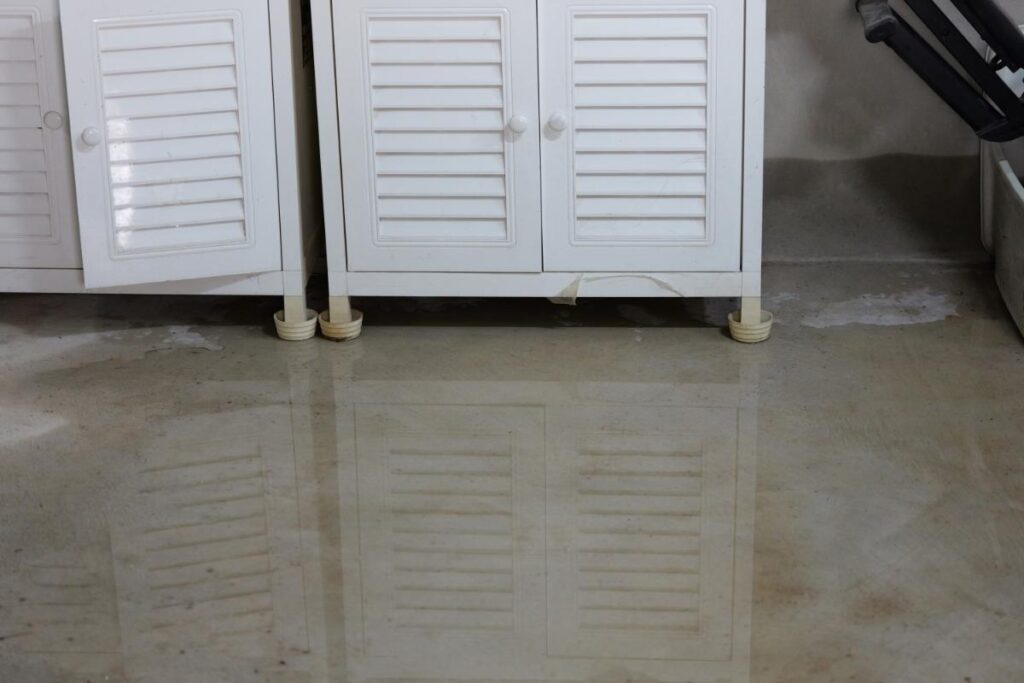
Just as a ship must navigate treacherous waters to reach safety, your basement requires a careful and strategic approach after a flood. It’s essential to assess the damage thoroughly and prioritize safety before you begin the basement flood restoration process. Understanding effective water extraction methods and the importance of drying and disinfecting can markedly impact the outcome. Are you prepared to tackle the challenges that come with restoring your basement to its former state?
Key Takeaways
- Assess the damage thoroughly, documenting with photos and notes for insurance claims and evaluating the extent of damage to belongings and structure.
- Prioritize safety by turning off electricity, wearing protective gear, and ensuring proper ventilation before beginning water extraction.
- Employ effective water extraction methods like sump pumps and follow up with dehumidification processes to eliminate residual moisture.
- Clean and disinfect affected areas using EPA-approved products, and consider steam cleaning for porous materials to prevent mold growth.
- Implement preventative measures, such as maintaining drainage systems and waterproofing, to minimize future flooding risks in the basement.
Assessing the Damage
When you discover water pooling in your basement, it’s essential to act quickly to assess the damage. Start by identifying the flood causes, which could range from heavy rainfall to plumbing failures. Check the source of the water—whether it’s a leak or external flooding—to understand the severity of the situation.
Next, evaluate the extent of the damage. Look for warped flooring, damp walls, and any signs of mold growth. Document everything with photos and notes; this will aid in insurance claims and future prevention strategies.
Pay attention to your belongings—furniture, electronics, and personal items may also be affected.
As you conduct your damage assessment, remember that you’re not alone in this process. Many homeowners face similar challenges, and reaching out for support can be invaluable.
Safety Precautions Before Starting
Before you begin the restoration process, it’s essential to assess electrical hazards to ensure your safety.
Wear protective gear, such as gloves and boots, to shield yourself from contaminants and potential injuries.
Additionally, ventilate the area to minimize exposure to mold spores and promote a safer working environment.
Assess Electrical Hazards
Evaluating electrical hazards is essential to ascertain your safety before diving into basement flood restoration. Start by turning off the main power supply to your home to prevent electrical shock.
Next, conduct a thorough hazard assessment by inspecting outlets, wiring, and electrical appliances that may have been submerged. Look for signs of damage, like frayed wires or corrosion, and avoid using any equipment that appears compromised.
If you’re unsure about the condition of your electrical system, consult a licensed electrician for a professional evaluation.
Familiarize yourself with basic electrical safety practices, such as keeping electrical devices dry and maintaining a safe distance from water.
Prioritizing these precautions ensures you’re protecting yourself and creating a safer environment for everyone involved.
Wear Protective Gear
With the electrical hazards assessed and safety measures in place, you can now focus on protecting yourself physically during the restoration process.
Start by wearing appropriate protective clothing, including long sleeves and sturdy pants, to shield your skin from contaminants. Waterproof boots are essential, as they keep you dry and safe from sharp objects or slippery surfaces.
Don’t forget to equip yourself with safety goggles to protect your eyes from debris and splashes. Gloves are also vital; choose heavy-duty, waterproof options to prevent cuts and chemical exposure.
By prioritizing these protective measures, you’re safeguarding yourself while fostering a sense of responsibility for your well-being and that of your loved ones.
Ventilate the Area
To ensure a safe and effective restoration process, proper ventilation of the area is essential. Ensuring a flow of fresh air helps mitigate moisture control, reducing the risk of mold and mildew. Before starting, follow these steps to ventilate your basement:
| Action | Purpose | Tools Needed |
|---|---|---|
| Open windows and doors | Increase fresh air flow | None |
| Use fans | Circulate air | Electric fans |
| Dehumidifier | Reduce humidity | Dehumidifier unit |
Water Extraction Methods
When you face a flooded basement, effective water extraction is essential for preventing further damage.
Start by employing pumping techniques to remove the bulk of the water, and then follow up with dehumidification processes to eliminate residual moisture.
These methods facilitate a quicker recovery and help protect your home from mold and structural issues.
Pumping Techniques
Effective water extraction is essential for restoring a flooded basement, and several pumping techniques can help you tackle this challenge.
One of the most reliable methods is using sump pumps, which efficiently remove excess water. When positioning your sump pump, make certain it’s in the lowest part of the basement, maximizing its efficiency.
Additionally, consider installing flood barriers to prevent future water intrusion and protect your home. If the flooding is severe, you might need to employ multiple pumps or even portable electric pumps for quicker results.
Always prioritize safety by turning off electricity in the area before you start.
Dehumidification Processes
While water extraction is crucial for flood restoration, dehumidification processes play an important role in preventing further damage and promoting a healthy environment.
You’ll want to employ effective dehumidification techniques to remove excess moisture from your basement. Start by using commercial-grade dehumidifiers, which can greatly enhance moisture control. These machines work to reduce humidity levels, drying out the air and surfaces.
Consider using air movers alongside dehumidifiers to speed up the drying process. Monitoring humidity levels with a hygrometer can also ensure you’re maintaining ideal conditions.
Drying Out the Basement
Though water damage can feel overwhelming, drying out your basement quickly is vital to prevent further issues like mold and structural damage.
To effectively tackle basement humidity and ensure proper moisture control, follow these steps:
- Ventilation: Open windows and doors to promote airflow, helping to reduce humidity levels naturally. If it’s safe, use fans to circulate the air.
- Dehumidifiers: Invest in a powerful dehumidifier to actively remove moisture from the air. This is essential for maintaining a dry environment and preventing mold growth.
- Absorbent Materials: Use towels or sponges to soak up any standing water.
Consider placing absorbent mats to capture moisture from the floor.
Cleaning and Disinfecting Affected Areas
Start by thoroughly cleaning and disinfecting all affected areas to eliminate contaminants and prevent future problems.
Use effective cleaning techniques like scrubbing surfaces with soap and water to remove debris. For porous materials, consider steam cleaning to ensure deep penetration.
Once cleaned, choose appropriate disinfecting products that are EPA-approved for flood damage. Solutions containing bleach or hydrogen peroxide can be effective, but always follow the manufacturer’s instructions for safe use.
Make certain to apply these disinfectants evenly across all surfaces, allowing adequate contact time to kill bacteria and viruses.
Don’t forget to ventilate the area by opening windows or using fans to promote airflow and aid in drying.
After disinfecting, dispose of any contaminated materials safely.
Addressing Mold and Mildew Issues
After you’ve cleaned and disinfected the affected areas, it’s vital to address any mold and mildew issues promptly to prevent further damage and health hazards.
Here’s a straightforward approach to tackle these problems effectively:
- Identify Moisture Sources: Check for leaks, condensation, or humidity levels. Address any issues to ensure a dry environment, which is crucial for preventing mold.
- Use Appropriate Mildew Treatments: Apply commercial or homemade mildew treatments like vinegar or baking soda solutions to the affected areas. Scrub surfaces thoroughly to eliminate spores.
- Improve Ventilation: Ensure proper airflow in your basement. Use fans or dehumidifiers to decrease humidity levels, which helps stave off mold growth.
Taking these steps aids in mold prevention and contributes to a healthier home environment.
Repairing Structural Damage
When you discover structural damage in your basement, addressing it quickly is essential to ensure the safety and integrity of your home.
Start with a thorough structural assessment to identify the extent of the damage. This assessment should include checking for cracks in the foundation, sagging beams, or water damage.
Once you’ve pinpointed the issues, consider appropriate repair techniques. For minor cracks, epoxy injections might suffice, while more severe damage may require underpinning or wall reinforcements.
It’s imperative to work with a qualified professional who understands local building codes and can make certain the repairs are up to standard.
These repairs restore your basement’s structural integrity, and they enhance your home’s overall value.
Preventative Measures for Future Flooding
To effectively reduce the risk of future flooding in your basement, it’s crucial to implement a series of preventative measures that address both external and internal factors.
Start by ensuring your drainage systems are functioning at their best; clean gutters and downspouts regularly to direct water away from your foundation.
Next, install a reliable sump pump. This will help manage any unexpected water accumulation effectively.
Finally, consider waterproofing your basement walls to create an additional barrier against moisture.
- Inspect and maintain drainage systems: Regularly check for clogs and damage.
- Invest in a high-quality sump pump: Choose one with a battery backup for power outages.
- Waterproof your basement: Use sealants and membranes to prevent moisture ingress.
Insurance Claims and Documentation
Even with preventative measures in place, flooding can still occur, making it important to know how to navigate insurance claims and documentation effectively.
Start by reviewing your insurance coverage to confirm what’s included regarding water damage. Familiarize yourself with the claim process to avoid unnecessary delays.
Document everything—take photos of the damage, list damaged items, and keep receipts for repairs or clean-up efforts. This evidence is essential for supporting your claim.
When filing, be clear and concise, detailing the extent of the damage and the steps you’ve taken to mitigate further issues.
Stay organized by keeping all correspondence with your insurance company in one place.
If questions arise or you feel lost, don’t hesitate to reach out to your agent for clarification. Remember, you’re not alone in this—many face similar challenges, and knowing how to effectively handle your claim can make a big difference.
Hiring Professional Restoration Services
While you might feel overwhelmed after a basement flood, hiring professional restoration services can greatly ease the recovery process. Choosing the right service can save you time and ensure your home is restored efficiently.
Here are some key cost considerations to keep in mind during your service selection:
- Assessment Fees: Many companies offer free assessments to determine the extent of the damage, which can help you gauge overall costs.
- Equipment Rental: Professional services utilize high-grade equipment, such as dehumidifiers and water extractors, which can considerably speed up the drying process.
- Labor Costs: Skilled technicians bring expertise that minimizes further damage, ultimately saving you money in the long run.
Frequently Asked Questions
How Long Does the Entire Restoration Process Typically Take?
The restoration timeline usually spans from a few days to several weeks, depending on damage severity. Effective drying techniques expedite the process, ensuring your space returns to normal as quickly and efficiently as possible.
What Are the Costs Associated With Basement Flood Restoration?
Restoring your basement after a flood can feel like maneuvering through a maze. Restoration expenses vary widely, often influenced by damage extent and insurance coverage. Knowing these costs helps you prepare and feel more secure in the process.
Can I Use Regular Household Fans for Drying?
You can use regular household fans for drying, but their effectiveness might be limited. For best results, combine them with advanced drying techniques like dehumidifiers to speed up the process and ensure thorough moisture removal.
What Chemicals Are Safe for Cleaning Flood-Affected Areas?
When cleaning flood-affected areas, you’ll want safe cleaning options like vinegar, baking soda, or hydrogen peroxide. These chemical options effectively disinfect without harmful residues, ensuring your space feels welcoming and secure for everyone who enters.
How Can I Prevent Future Basement Flooding?
To prevent future basement flooding, you’ll want to ensure your drainage systems are clear and functioning properly. Installing a sump pump can also help redirect water and keep your space dry and safe.
Recap
Tackling basement floods requires a methodical approach, ensuring you assess the damage and prioritize safety first. By effectively extracting water, drying out the space, and disinfecting thoroughly, you can combat mold growth. Don’t overlook structural repairs and preventative measures to safeguard against future flooding. Guiding insurance claims and considering professional help can truly streamline the restoration process. With these strategies, you’ll restore your basement and create a healthier environment for your home.