
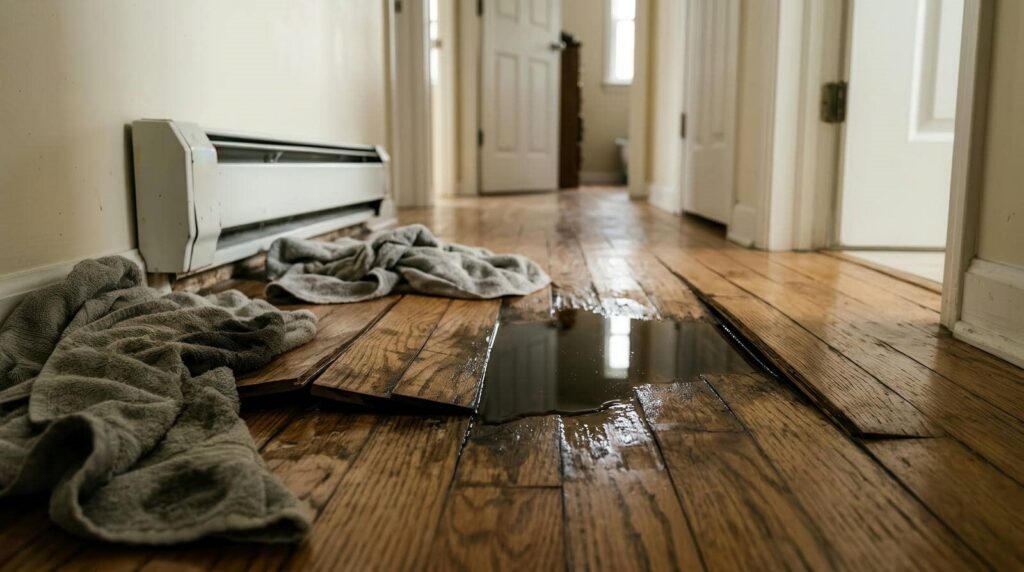
Flood damage can feel overwhelming, but you can take control of the flood cleanup situation with a few practical steps. Start by prioritizing your safety and checking for hazards before moving forward. Once you’ve assessed the damage, you’ll need to act quickly to minimize further issues. Knowing how to effectively manage water removal and cleanup is vital. Let’s explore essential DIY tips that can help you restore your home efficiently and prevent future problems.
Key Takeaways
- Prioritize safety by wearing protective gear and checking for hazards before entering your home post-flood.
- Remove standing water quickly using a wet/dry vacuum or submersible pump to minimize damage.
- Clean and sanitize all surfaces with a water-detergent mixture and disinfectants to eliminate bacteria and mold.
- Gather essential cleanup supplies, including heavy-duty trash bags and a dehumidifier, for effective recovery.
- Document damage for insurance claims and consider replacing materials with water-resistant options to prevent future issues.
Flood Recovery: Prioritize Safety and Assess Damage
When floodwaters recede, your first step should be to prioritize safety and assess the damage. Before entering your home, check for hazards like downed power lines or unstable structures.
Wear protective gear—gloves, boots, and masks—to shield yourself from contaminants. Once you’re sure it’s safe, conduct a thorough damage assessment.
Document everything with photos for insurance purposes. Pay attention to walls, floors, and your belongings, noting what can be salvaged and what needs replacement.
Share this experience with your neighbors; they might face similar challenges. By working together, you can find resources and support.
Remove Water and Dry Affected Areas
Start by removing any standing water as quickly as possible to minimize damage and prevent mold growth. Use a wet/dry vacuum for effective water extraction, making sure to reach corners and hard-to-access areas.
If the water is deep, consider renting a submersible pump to speed up the process.
Once you’ve removed the water, it’s time to dry the affected areas. Open windows and doors to promote airflow, and use fans or dehumidifiers to accelerate drying techniques.
Don’t forget to check behind walls and under flooring, as trapped moisture can lead to hidden mold.
Clean and Sanitize Surfaces to Prevent Mold
As soon as you’ve removed the water, it’s crucial to clean and sanitize all affected surfaces to prevent mold growth.
Start with surface cleaning using a mixture of water and detergent—this helps eliminate dirt and debris. Pay special attention to corners and crevices where moisture might linger.
Afterward, use a disinfectant to kill any remaining bacteria and mold spores. Don’t forget to wear gloves and a mask for safety!
For added mold prevention, consider using a vinegar solution or a commercial mold remover.
Allow surfaces to air dry completely, as damp areas are breeding grounds for mold.
By taking these steps, you’re not just cleaning; you’re protecting your home and your family’s health.
Your diligence now ensures a safer, healthier living environment!
Gather Cleanup Supplies for Effective Recovery
After cleaning and sanitizing, it’s time to gather the supplies you’ll need for an effective recovery.
Having the right tools at hand makes the process smoother and helps you feel more in control.
Use this cleanup checklist to ensure you don’t miss anything vital during your supply sourcing:
- Heavy-duty trash bags: For disposing of damaged items.
- Mops and buckets: To soak up excess water and clean surfaces.
- Protective gear: Gloves, masks, and goggles to keep you safe.
- Dehumidifier: Essential for drying out the space and preventing mold.
With these supplies, you’ll be well-equipped to tackle the aftermath of flooding, restoring your home with confidence and community support.
Repair and Prevent: Essential Steps for Home Restoration
Restoring your home after a flood involves a series of essential steps that address immediate damage and prevent future issues.
First, assess the extent of the damage and document everything for your flood insurance claim. Once you’ve got that settled, focus on drying out your space to prevent mold growth.
Replace damaged materials like drywall and flooring, opting for water-resistant options when possible. As you make these long-term repairs, consider upgrading your home’s drainage and waterproofing systems to shield against future floods.
Don’t forget to keep your flood insurance updated, ensuring you’re covered for any future incidents.
Frequently Asked Questions
What Should I Do With Flood-Damaged Electronics?
If your electronics are water-damaged, prioritize safety first. Unplug everything, avoid turning them on, and let them dry completely. If unsure, consult a professional to assess potential damage and ensure your safety.
How Can I Prevent Future Flooding in My Home?
You can’t keep a flood out forever, but installing proper drainage systems and sump pumps can drastically reduce your risk. Regular maintenance and landscaping adjustments also help protect your home from future water damage.
Are There Any Government Assistance Programs for Flood Recovery?
Yes, you can explore federal grants and disaster relief programs. Check FEMA’s website or your state’s emergency management office for resources tailored to your situation, ensuring you get the support you need for recovery.
How Do I Handle Insurance Claims After a Flood?
To handle insurance claims after a flood, gather documentation, contact your flood insurance provider, and follow their claim process. Keep records of damage, expenses, and communications to ensure a smoother experience and maximize your potential payout.
What Are the Long-Term Health Effects of Flood Exposure?
Flood exposure can leave you vulnerable to long-term health effects like respiratory issues and infections. Mold remediation’s essential, as hidden spores thrive in dampness, while water contamination can introduce harmful pathogens. Stay vigilant, prioritize safety.
Wrap-Up
Tackling flood damage can feel overwhelming, but following these DIY tips makes it manageable. By prioritizing safety, removing water quickly, and sanitizing surfaces, you’re protecting your home and your health. Don’t forget to document everything for insurance purposes and consider long-term solutions to prevent future issues. You’ve got this—restoring your home is within reach!