
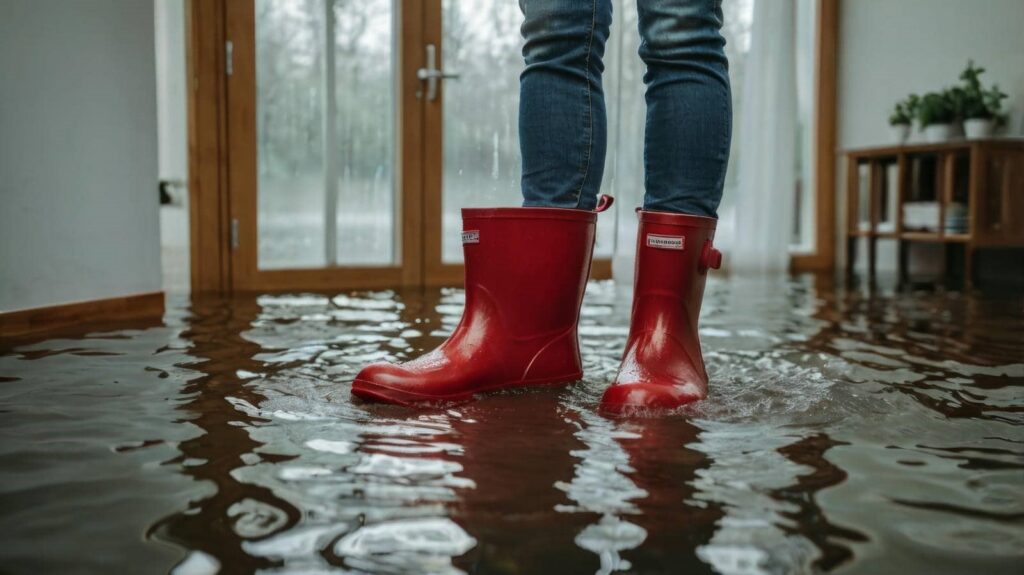
You might think that water damage restoration requires a hefty budget, but that’s not the case. With the right approach and tools, you can tackle the cleanup efficiently and affordably. By knowing how to assess the damage and gather essential tools, you can take control of the situation. But what steps should you prioritize first to ensure a thorough and safe restoration process? Let’s explore practical tips that can make a significant difference.
Key Takeaways
- Assess water damage immediately by checking for stains, musty odors, and warped flooring to address issues promptly and prevent further damage.
- Use essential tools like wet/dry vacuums and dehumidifiers to effectively remove water and reduce moisture levels during cleanup.
- Wear personal protective equipment (PPE) and turn off electricity to ensure safety while handling water-damaged areas.
- Conduct regular maintenance on roofs, gutters, and windows to prevent future water damage and costly repairs.
- Monitor humidity levels and inspect for mold growth regularly to address potential issues before they escalate.
How to Assess Water Damage: Key Indicators
When dealing with water damage, recognizing the key indicators can save you time and money. Start by checking for water stains on ceilings and walls; these often signal leaks.
You might also notice musty odors, which suggest mold growth, a serious health concern. Inspect your flooring for issues like warping or buckling, as these can compromise your home’s structural integrity.
Don’t overlook peeling paint, which can indicate moisture problems underneath. Additionally, assess your drywall for damage; it can weaken with prolonged exposure to water.
Finally, examine insulation in walls and attics, as it can harbor moisture and lead to further complications. By identifying these signs early, you can address issues before they escalate.
Gather Essential Tools for Water Cleanup
Gathering essential tools for water cleanup is crucial to effectively tackle any water damage situation. Having the right equipment can make all the difference in successful water extraction and mold prevention. Here’s a quick guide to help you prepare:
| Tools | Purpose |
|---|---|
| Wet/Dry Vacuum | Ideal for water extraction |
| Dehumidifier | Reduces moisture in the air |
| Fans | Circulates air to speed drying |
With these tools, you can efficiently remove excess water and prevent mold growth. Remember, getting your home back to normal requires hard work and the right resources. Equip yourself, and you’ll feel more in control during the cleanup process.
Stay Safe While Cleaning Up Water Damage
Although water damage can be overwhelming, prioritizing safety during cleanup is essential to prevent injury or further complications.
Start by wearing personal protective equipment (PPE) like gloves, masks, and boots. These safety precautions protect you from contaminants and hazardous materials often found in flood water.
Verify the area is safe by turning off electricity to prevent electrical shocks, and avoid wading through deep water, as it may hide dangerous debris. If you’re unsure about structural integrity, consider consulting a professional before proceeding.
Simple Cleanup Techniques With Towels and Mops
After ensuring your safety, it’s time to tackle the cleanup process effectively. Using the right towel techniques and mop methods can make a significant difference. Here are some practical steps to follow:
Soak Up Water: Use absorbent towels to blot up excess water. Start from the edges and work your way inward.
Wring and Repeat: Wring out the towels frequently to maximize absorption.
Mop the Floor: Once the bulk of the water is gone, use a mop to clean any remaining moisture, ensuring you cover all surfaces.
Dry and Disinfect: After mopping, allow the area to dry completely, and consider using a disinfectant to prevent mold growth.
These techniques will help you restore your space without breaking the bank.
Ventilate Areas Affected by Water Damage
To effectively combat lingering moisture after water damage, it’s crucial to ventilate the affected areas. Good air circulation promotes moisture control, helping to prevent mold growth and structural damage. Open windows and doors to encourage fresh air flow. Use fans to boost circulation, directing air towards damp spots.
Here’s a quick reference table for effective ventilation strategies:
| Strategy | Benefits | Tips |
|---|---|---|
| Open Windows | Fresh air flow | Use on dry, breezy days |
| Use Fans | Enhanced air circulation | Position towards wet areas |
| Exhaust Fans | Removes humid air | Install in crawl spaces |
| Dehumidifiers | Reduces moisture levels | Run continuously if possible |
| Ceiling Fans | Distributes air evenly | Keep on low settings |
Implement these methods to improve your space’s air quality.
How to Dehumidify Your Space
To effectively dehumidify your space, start by positioning fans to promote airflow and help evaporate moisture.
Open windows during dry days to allow fresh air to circulate, further assisting in reducing humidity levels.
These simple steps can greatly expedite the drying process and prevent further damage.
Use Fans Effectively
Using fans effectively can considerably speed up the dehumidification process in your space. Proper fan placement and air circulation are key to minimizing moisture.
Here are some practical tips to maximize your efforts:
Position Fans Strategically: Place fans near wet areas to directly target moisture.
Create Cross-Ventilation: Set up multiple fans facing opposite directions to enhance air flow throughout the room.
Adjust Fan Speed: Use higher speeds for faster drying, but switch to lower speeds once the space feels drier.
Utilize Oscillating Fans: These can help distribute air more evenly, ensuring no area remains stagnant.
Open Windows Strategically
Opening windows strategically can make a significant difference in dehumidifying your space after water damage. By allowing fresh air to flow in, you enhance air circulation, which is essential for effective moisture control.
Start by opening windows on opposite sides of the affected area to create a cross breeze. This helps remove humid air while bringing in drier air, accelerating the drying process.
Be mindful of outdoor conditions; choose a time when humidity levels are lower outside.
Also, consider using window fans to boost air movement further. By taking these simple steps, you’ll foster a more comfortable environment, helping you restore your home efficiently and cost-effectively while feeling connected to your space.
How to Detect Mold After Water Damage
After experiencing water damage, it’s essential to check for mold growth, as it can develop quickly in damp conditions.
Effective mold detection helps ensure your space remains safe and healthy. Here are some practical steps to identify mold types:
Visual Inspection: Look for discoloration or fuzzy patches on walls, ceilings, and flooring.
Smell Test: Pay attention to musty odors, which often indicate hidden mold.
Moisture Monitoring: Use a moisture meter to check areas that remain damp after water damage.
Check HVAC Systems: Inspect ducts and filters, as mold can thrive in these areas and spread throughout your home.
Salvaging Your Belongings After Water Damage
Once you’ve identified potential mold growth, your next step is to focus on salvaging your belongings.
Start by evaluating your furniture. If it’s damp but structurally sound, consider furniture restoration; clean it thoroughly and allow it to dry completely to prevent further damage.
For sentimental items, act quickly. Dry photographs and documents by placing them between absorbent materials and changing them frequently.
If items are waterlogged, consult a professional restoration service specializing in delicate materials.
Don’t forget to document everything before disposing of irreparable items, as insurance claims may require evidence of loss.
Prioritize salvaging what truly matters to you, ensuring that cherished memories are preserved despite the water damage.
When Should You Call Professionals for Water Damage?
When should you consider calling in professionals for water damage? If the situation feels overwhelming or you’re uncertain about the severity, it’s wise to seek expert help.
Here are four key scenarios to keep in mind:
Extensive Water Accumulation: If the water level is significant, it’s essential to have an emergency response team handle it safely.
Mold Growth: If you notice mold appearing within 24-48 hours, professionals can handle it effectively and prevent health risks.
Structural Damage: If you suspect any damage to walls or foundations, an expert assessment is necessary for your safety.
Insurance Claims: If you plan to file claims, professionals can document the damage properly to support your case.
Preventing Future Water Damage: Practical Tips
To prevent future water damage, you need to be proactive about your home’s maintenance.
Regularly inspect your roof for wear and tear, ensure your windows are sealed properly, and keep your gutters clean.
These simple steps can save you significant headaches—and costs—down the road.
Regular Roof Inspections
Biannual Checks: Inspect your roof every spring and fall to assess for wear and tear.
Post-Storm Inspections: After severe weather, check for damage that could lead to leaks.
Seasonal Maintenance: Clear debris and check drainage systems regularly to prevent water accumulation.
Professional Evaluations: Hire a professional for a thorough inspection every 3-5 years to identify potential problems.
Seal Windows Properly
Properly sealing your windows is essential for preventing future water damage, as even small gaps can lead to significant issues over time. To achieve a tight seal, consider using various window sealing materials like weatherstripping, caulk, or foam tape. Here are some effective sealing techniques to enhance your window’s durability:
| Sealing Material | Technique |
|---|---|
| Weatherstripping | Apply around the frame |
| Caulk | Fill gaps and cracks |
| Foam Tape | Use for irregular shapes |
| Insulating Film | Add for extra protection |
| Window Locking Clips | Secure the window tightly |
Choosing the right materials and techniques will protect your home and foster a sense of belonging in a safe, dry environment.
Maintain Gutters Clean
While you may not think about your gutters often, keeping them clean is essential for preventing future water damage.
Regular gutter maintenance can save you from costly repairs down the road. Here are four practical tips for effective seasonal cleaning:
Inspect Regularly: Check your gutters at least twice a year for debris buildup.
Clear Debris: Remove leaves, twigs, and dirt to maintain proper water flow.
Flush with Water: Use a hose to clear out any remaining particles and check for leaks.
Install Guards: Consider adding gutter guards to reduce the frequency of cleaning and keep debris out.
Frequently Asked Questions
Can I Use Household Items for Water Damage Cleanup?
Yes, you can use household items for water damage cleanup. Employ DIY cleanup techniques with solutions like vinegar, baking soda, and dish soap to effectively tackle stains and odors, making your space feel fresh and inviting again.
How Long Does It Take for Water Damage to Appear?
Water damage can creep in faster than your last bad decision—often within 24 hours. Moisture detection is essential in this water damage timeline; don’t ignore those sneaky damp spots or you’ll regret it later!
Does Insurance Cover Water Damage Restoration Costs?
Yes, your insurance policy may cover water damage restoration costs, but it depends on your coverage limits. Check your policy details to understand what’s included and ensure you’re adequately protected for potential water damage events.
How Can I Tell if My Flooring Is Damaged?
You can tell if your flooring’s damaged by conducting a thorough flooring inspection. Look for damage signs like warping, discoloration, or soft spots. Trust your instincts; if something feels off, it probably is.
What Are the Health Risks of Untreated Water Damage?
Untreated water damage can lead to mold growth, greatly impacting air quality. You might experience respiratory issues, allergies, or other health problems. Addressing water damage promptly protects your home and the well-being of those you care about.
Conclusion
Tackling water damage doesn’t have to break the bank. By evaluating the damage, gathering essential tools, and prioritizing safety, you can effectively restore your space. Remember to ventilate and check for mold, ensuring your health and belongings are safeguarded. As you navigate this process, think of it as a modern-day knight battling the elements—prepared and equipped for the challenge. With these budget-friendly tips, you can protect your home and prevent future water woes.