
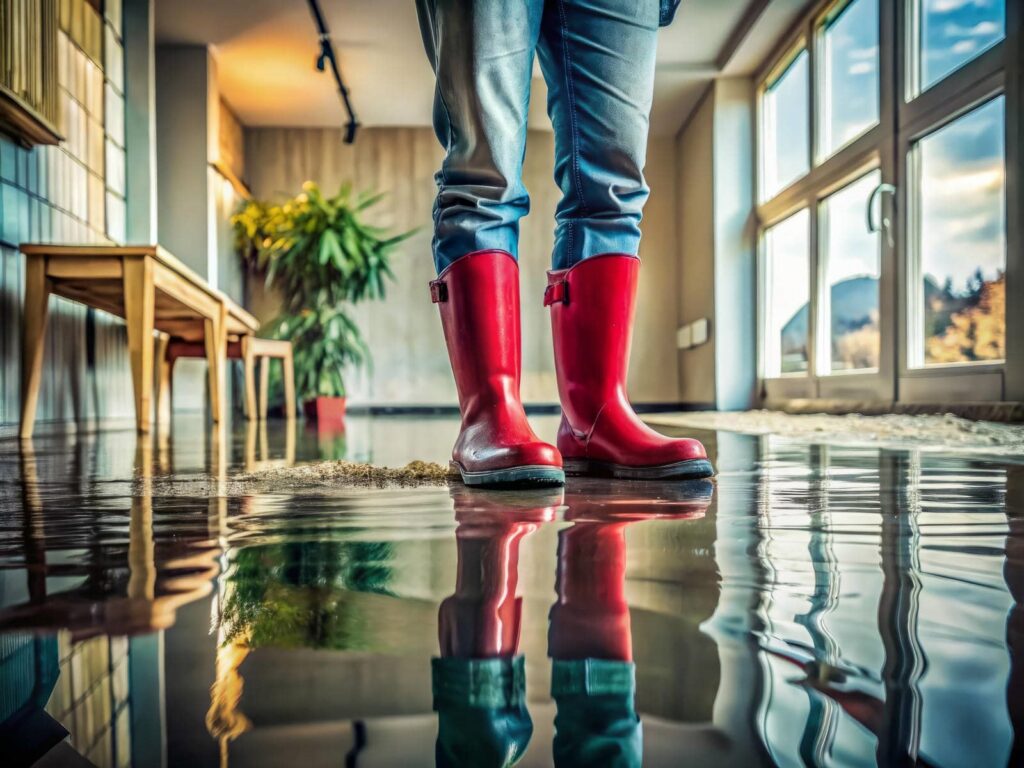
If you find yourself facing water damage, understanding cost-effective restoration techniques can save you both time and money. By employing simple tools and proactive measures, you can effectively mitigate damage. However, knowing when to act and what methods to use can be vital. Let’s explore the essential steps you should take to safeguard your home.
Key Takeaways
- Utilize a wet/dry vacuum to efficiently remove standing water, minimizing further damage and reducing restoration costs.
- Rent a dehumidifier to lower humidity levels, preventing mold growth without the expense of professional services.
- Conduct a thorough visual inspection to identify and document all damage, helping prioritize repairs and avoid unnecessary costs.
- Use fans to enhance air circulation for faster drying, reducing the likelihood of mold and subsequent repair expenses.
- Invest in affordable leak detection systems to catch issues early, saving money on extensive repairs down the line.
How to Understand Water Damage
Understanding water damage is essential for effective restoration, especially since it can arise from various sources like leaks, floods, or burst pipes.
Recognizing the signs of damage is your first step toward mitigating the issue. Look for discoloration on walls or ceilings, peeling paint, and mold growth, which often indicate prolonged exposure to moisture.
Additionally, listen for unusual sounds, such as dripping or running water, which can signal hidden leaks. You may also notice a musty odor, another common damage sign.
Must-Have Tools for DIY Water Damage Restoration
To effectively tackle DIY water damage restoration, you’ll need the right tools and safety gear.
Essential tools like moisture meters, fans, and dehumidifiers play an important role in evaluating and mitigating damage.
Additionally, proper safety gear, including gloves and masks, ensures you protect yourself from potential hazards during the restoration process.
Essential Tools Overview
When tackling water damage restoration, having the right tools at your disposal can make a significant difference in efficiency and effectiveness. Essential tools include those for water extraction and creating moisture barriers, ensuring your home remains safe and dry. Here’s a quick overview of must-have tools:
| Tool | Purpose | Importance |
|---|---|---|
| Wet/Dry Vacuum | Water extraction | Removes standing water |
| Dehumidifier | Reduces humidity | Prevents mold growth |
| Moisture Meter | Measures moisture levels | Identifies hidden damp areas |
| Plastic Sheeting | Creates moisture barriers | Protects unaffected areas |
| Fans | Improves air circulation | Aids in faster drying |
With these tools, you’ll be well-equipped to handle water damage effectively.
Safety Gear Necessities
After gathering the right tools for water damage restoration, prioritizing safety gear is equally important. Start with protective clothing, like waterproof coveralls, to shield yourself from contaminants and moisture. These outfits keep you dry and reduce the risk of skin irritation.
Next, invest in quality safety goggles to protect your eyes from debris and harmful chemicals that may be present in water-damaged areas. Don’t forget durable gloves; they provide grip and prevent cuts while handling damaged materials.
A sturdy mask can also help filter out airborne particles, ensuring you breathe safely. By equipping yourself with the right safety gear, you protect yourself and create a secure environment for effective restoration.
Stay safe and work smart!
How to Assess Water Damage?
To assess water damage effectively, start with a thorough visual inspection of the affected areas.
Look for signs like discoloration, warping, and mold growth, which indicate moisture presence.
Next, employ moisture detection methods, such as moisture meters, to quantify the extent of the damage and pinpoint hidden issues.
Visual Inspection Techniques
Visual inspection is an essential step in evaluating water damage, enabling you to identify the extent of the issue quickly.
Start by looking for visual indicators like discoloration, stains, or peeling paint, as these often signify underlying moisture problems. Pay attention to areas around windows, doors, and plumbing fixtures, where leaks are common.
Inspect ceilings and floors for sagging or warping, which can indicate significant water intrusion. Use your sense of smell; musty odors may suggest hidden dampness.
Document your findings to assist with further leak detection and repairs. By mastering these techniques, you’ll protect your home and foster a sense of community among homeowners facing similar challenges.
Moisture Detection Methods
Building on the findings from your visual inspection, moisture detection methods provide a more in-depth assessment of water damage. Using moisture sensors, you can identify hidden moisture pockets that visual checks might miss. These detection techniques help ensure your home’s safety and integrity.
| Technique | Description |
|---|---|
| Moisture Meters | Measure moisture content in materials. |
| Thermal Imaging | Detect temperature variations indicating moisture. |
| Hygrometers | Assess humidity levels in the air. |
DIY Water Extraction Guide
When water damage strikes, knowing how to extract it efficiently can make all the difference.
Start your flood cleanup by evaluating the affected areas and prioritizing the most damaged spots. Use a wet/dry vacuum for effective water extraction; make certain it’s capable of handling large volumes.
If the water is deep, consider using a submersible pump for rapid removal. Be sure to wear protective gear like gloves and boots to safeguard against contaminants.
Once the bulk of the water’s gone, mop up any remaining moisture and check for hidden pockets of water in walls or floors.
Finally, ventilate the area to expedite drying. This proactive approach protects your home and fosters a sense of community resilience.
How to Dry Out Your Home After Water Damage?
After effectively extracting water, the next step is drying out your home to prevent further damage and mold growth.
Start by opening windows and doors to enhance air circulation. Using fans can speed up the home drying process; position them strategically to direct airflow across damp areas.
Dehumidifiers are essential, too; they help remove moisture from the air, lowering humidity levels.
Check hidden spaces like attics and crawl spaces, as they can trap moisture. If you have carpets, consider lifting them to expose the flooring underneath.
Monitor the drying process closely, aiming for a moisture content below 20%.
Easy Ways to Prevent Water Damage
Although water damage can strike unexpectedly, there are several proactive measures you can take to minimize risks.
First, invest in reliable water leak detection systems; they can alert you to leaks before they escalate.
Regular plumbing maintenance is essential—inspect your pipes, faucets, and appliances for signs of wear or leaks.
Make sure your gutters and downspouts are clear to prevent water buildup around your foundation.
Additionally, consider using waterproof materials in basements and around windows.
Monitor humidity levels in your home; using dehumidifiers can help.
Finally, know the location of your main water shutoff valve—this knowledge can save you time and stress in an emergency.
These simple steps can greatly reduce the likelihood of costly water damage.
When to Call in the Professionals for Water Damage Help?
How do you know if it’s time to call in professionals for water damage restoration? Watch for timing indicators like extensive water accumulation, persistent dampness, or mold growth.
If you notice these signs, it’s essential to act swiftly. Professionals bring expertise and specialized equipment, ensuring thorough drying and damage assessment.
If the damage exceeds a small area or involves structural components, don’t hesitate to seek help. The professional benefits include quicker restoration, prevention of further damage, and peace of mind.
Frequently Asked Questions
How Can I Identify Hidden Water Damage in My Home?
To identify hidden water damage, check for leaky pipes, damp walls, and water stains. Notice musty odors, inspect for ceiling damage, and assess insulation problems or foundation issues to pinpoint potential moisture sources.
What Are the Long-Term Effects of Untreated Water Damage?
Untreated water damage can compromise your home’s structural integrity, pose health risks, lower property value, attract pests, create electrical hazards, and lead to significant financial implications. Addressing it promptly protects both your investment and well-being.
Can I Use Household Items for Water Damage Restoration?
Yes, you can use household items for water damage restoration. DIY solutions like baking soda, vinegar, and common tools such as mops and towels help absorb moisture effectively, promoting a healthier environment in your home.
How Do Insurance Claims Work for Water Damage Repairs?
“An ounce of prevention is worth a pound of cure.” Review your insurance policy first. Then, follow the claim process by documenting damage, contacting your insurer, and submitting necessary paperwork for water damage repairs.
What Are the Signs of Mold Growth After Water Damage?
You’ll notice signs of mold growth like musty odors, discoloration on walls, or condensation. To prevent mold, focus on moisture control by fixing leaks and ensuring proper ventilation in your home. Stay vigilant for these indicators.
Summary
In the world of home maintenance, it’s better to be safe than sorry. By implementing these cost-effective water damage restoration techniques, you can tackle issues head-on and save yourself from hefty repair bills. Remember, regular upkeep and prompt action are key to minimizing damage. If you ever find the situation overwhelming, don’t hesitate to call in the professionals. They’ve got the expertise to ensure your home stays safe and sound.