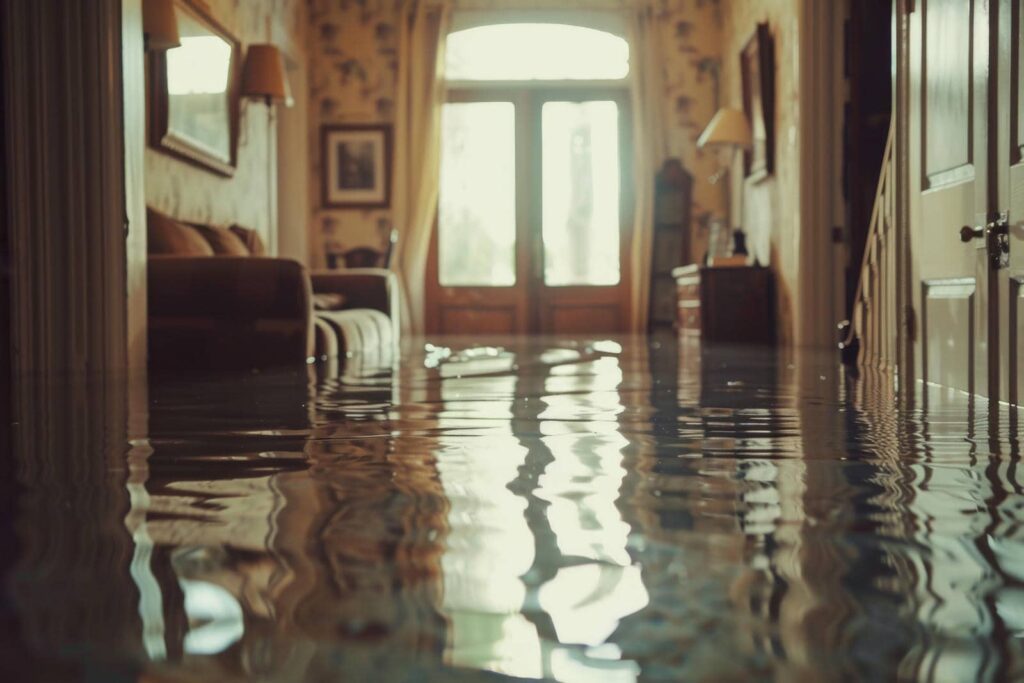
In the face of unexpected water damage, think of professional water mitigation solutions as your first responders. These services are vital for minimizing damage and guaranteeing safety in your home. They employ advanced techniques and specialized equipment to tackle issues swiftly and effectively. But what exactly does the process entail, and how can you ascertain you’re making the right choices for your property? Let’s explore the essential components of water mitigation.
Key Takeaways
- Professional water mitigation solutions focus on immediate response to prevent further damage and ensure home safety.
- Advanced techniques and specialized equipment are employed for effective water extraction, drying, and dehumidification.
- Rapid response minimizes mold growth and structural damage, saving time and reducing costs.
- Comprehensive services include assessment, extraction, cleaning, and restoration to return properties to pre-damage conditions.
- Choosing a qualified mitigation company involves evaluating reputation, services offered, and insurance support for claims.
Understanding Water Mitigation Services
When water damage occurs, understanding water mitigation services becomes essential for effective recovery. These services focus on the immediate response to mitigate further damage, ensuring your environment is safe and habitable.
Professionals employ advanced techniques for moisture control, addressing not only visible water but also hidden dampness that can lead to mold and structural issues.
Key steps involve water extraction, drying, and dehumidification, which are vital in preventing long-term damage. By utilizing specialized equipment, experts can monitor moisture levels, ensuring thorough drying of affected areas.
This proactive approach minimizes health risks and preserves your property’s integrity.
Choosing qualified water mitigation services means you’re prioritizing your home’s health and your family’s safety. It’s not just about fixing what’s broken; it’s about restoring your peace of mind and belonging.
Understanding these services empowers you to make informed decisions during a stressful time, fostering a sense of community and support in recovery.
The Importance of Rapid Response
A rapid response to water damage is vital, as delays can exacerbate the situation and lead to more extensive repairs. When water infiltrates your property, immediate action is essential to minimize damage and restore your space effectively.
Rapid intervention helps to mitigate mold growth, structural damage, and other costly issues that arise from standing water.
Your choice of emergency response services can greatly influence the outcome. Qualified professionals utilize advanced techniques and equipment to address the situation swiftly. This not only saves you time and money but also reduces stress during a chaotic moment.
Acting quickly guarantees that you’re not just reacting to water damage but proactively safeguarding your investment and well-being.
Techniques for Emergency Water Extraction
When faced with water emergencies, using advanced pumping equipment is vital for swift extraction.
You’ll also need specialized drying techniques to prevent mold growth and further damage.
Understanding these methods guarantees an effective response to water intrusion.
Advanced Pumping Equipment
Advanced pumping equipment plays an essential role in emergency water extraction, offering efficient and effective solutions for mitigating water damage. By utilizing advanced technology, these systems enhance pumping efficiency, allowing you to remove large volumes of water quickly and minimize damage to your property.
High-capacity submersible pumps and truck-mounted units are among the most effective options available, ensuring you can address even the most severe flooding situations. These tools not only expedite the extraction process but also reduce the risk of mold and structural issues.
When you invest in advanced pumping equipment, you’re choosing reliable solutions that bring peace of mind during a crisis, helping you restore your environment swiftly and effectively.
Specialized Drying Techniques
Following the extraction of standing water with advanced pumping equipment, specialized drying techniques become essential for effective water mitigation. These methods guarantee thorough moisture control, preventing further damage and mold growth.
| Technique | Description |
|---|---|
| Air Movers | Circulate air to enhance evaporation |
| Dehumidifiers | Remove moisture from the air |
| Heat Drying | Increases temperature for faster drying |
| Moisture Meters | Measure moisture levels in materials |
| Thermal Imaging | Detect hidden moisture issues |
Equipment Used in Water Mitigation
In water mitigation, the right equipment is essential for effective results.
You’ll encounter various extraction equipment types, advanced drying technologies, and precise monitoring instruments that guarantee thorough restoration.
Understanding how each of these tools works will enhance your approach to water damage recovery.
Extraction Equipment Types
When tackling water mitigation, understanding the various types of extraction equipment is vital for effective remediation.
You’ll typically encounter three main extraction methods: submersible pumps, truck-mounted extractors, and portable extractors. Submersible pumps are ideal for removing large volumes of water quickly, while truck-mounted systems provide powerful suction for extensive areas. Portable extractors offer flexibility and convenience, allowing you to address localized issues efficiently.
Proper equipment maintenance is essential to guarantee these tools function at their best. Regularly inspect and clean your equipment to prevent clogs and maintain performance.
Additionally, familiarize yourself with each type of extractor to select the right one for your specific situation. By mastering these extraction equipment types, you’ll enhance your water mitigation efforts and achieve better results.
Drying Technologies Employed
Understanding the drying technologies employed in water mitigation is essential for restoring affected areas efficiently. These technologies help you manage moisture levels and guarantee effective airflow management.
| Technology Type | Purpose | Key Feature |
|---|---|---|
| Air Movers | Enhance evaporation | Direct airflow to wet areas |
| Dehumidifiers | Remove excess moisture | Maintain ideal humidity |
| Moisture Mapping | Identify moisture sources | Visualize moisture distribution |
Monitoring Instruments Utilized
Effective water mitigation hinges on the precise use of monitoring instruments, as these tools allow you to assess and track moisture levels in real-time.
One essential device is the moisture meter, which provides accurate readings of humidity in various materials, helping you identify hidden moisture. Using these meters guarantees you’re making informed decisions about drying processes.
Additionally, thermal imaging cameras enable you to visualize temperature variations, revealing areas of potential water intrusion that may not be detectable otherwise.
Steps in the Water Restoration Process
The water restoration process involves a series of critical steps designed to mitigate damage and restore your property effectively.
First, you need to assess the extent of the water damage. This includes identifying the source of the water and determining the affected areas.
Next, you’ll want to initiate water extraction, removing standing water as quickly as possible to minimize damage and reduce the restoration timeline.
Following extraction, you should focus on drying and dehumidifying the affected areas to prevent mold growth. It’s crucial to use specialized equipment for this step to guarantee thorough drying.
Once everything is dry, you can begin the cleaning and sanitization process, addressing any contaminants in the water.
Finally, repair and restoration work, including replacing damaged materials, will help restore your property to its pre-damage condition.
Preventing Future Water Damage
While water damage can be unpredictable, taking proactive measures considerably reduces the risk of future incidents. Start by implementing effective moisture control strategies in your home.
Regularly inspect areas prone to dampness, such as basements, bathrooms, and kitchens. Guarantee proper ventilation to minimize humidity levels, and consider using dehumidifiers in high-moisture areas.
You should also check your plumbing for leaks and repair them promptly. Installing sump pumps can help manage excess water, especially in flood-prone regions.
Maintain your gutters and downspouts to direct water away from your foundation, which is essential for water damage prevention.
Finally, educate those around you about water safety and response protocols. By fostering a culture of awareness, you can create a supportive environment that’s committed to preventing future water damage.
Making these efforts not only protects your property but also strengthens your community’s resilience against water-related issues.
Choosing the Right Water Mitigation Company
How do you know you’re choosing the right water mitigation company? To guarantee you make an informed decision, conduct a reputation assessment and perform a service comparison. Look for companies with solid reviews and certifications. Here’s a quick guide to help you evaluate your options:
| Criteria | What to Look For | Importance |
|---|---|---|
| Reputation | Check online reviews and testimonials | Builds trust and credibility |
| Services Offered | Evaluate range, including emergency response | Guarantees extensive solutions |
| Response Time | Assess availability and speed of service | Critical during emergencies |
| Insurance Support | Confirm they work with your insurance provider | Eases financial burdens |
Frequently Asked Questions
How Much Do Professional Water Mitigation Services Typically Cost?
When considering professional water mitigation services, costs vary based on factors like property size and damage extent. Comparing different services helps you find the best value, ensuring you receive effective and affordable solutions tailored to your needs.
Will My Insurance Cover Water Mitigation Services?
You might think your insurance covers every water-related disaster, but policy limitations can surprise you. Always check your coverage details to guarantee water mitigation services are included, or you could face unexpected out-of-pocket expenses.
How Long Does the Water Mitigation Process Usually Take?
The water damage mitigation timeline typically ranges from a few days to a week, depending on severity. You’ll want to guarantee thorough drying and treatment to prevent future issues, so patience is key during this process.
Can I Handle Water Mitigation on My Own?
You can tackle DIY water mitigation, but it’s essential you perform a thorough water damage evaluation first. Mistakes can worsen the situation, so consider professional help if the damage seems extensive or complicated.
What Signs Indicate I Need Water Mitigation Services?
If your home’s starting to resemble a swimming pool, it’s time to worry. Signs of water damage, like mold or musty odors, indicate you need moisture detection and professional help don’t let your house take a dive!
To Sum Up
Professional water mitigation solutions are essential for safeguarding your property from the devastating effects of water damage. With rapid response and advanced techniques, these services can turn your flooded home back to normal in the blink of an eye. By utilizing specialized equipment and following a meticulous restoration process, you not only protect your investment but also guarantee the health and safety of your loved ones. Don’t wait act fast to prevent a catastrophe from escalating.