
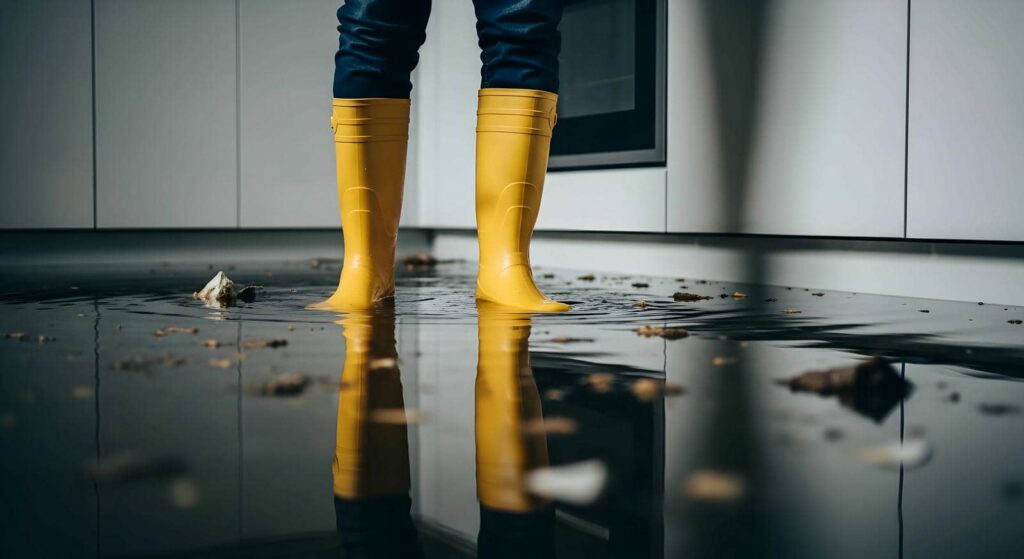
When storm waters make an unexpected entrance into your home, it’s a challenging situation that demands immediate attention. Start by evaluating the damage while ensuring your safety from potential hazards. It’s easy to feel overwhelmed, but taking methodical steps can help you regain control. Next, you’ll want to document everything for your insurance claims. What comes next could greatly impact the restoration of your property and peace of mind.
Key Takeaways
- Assess and document the damage, taking photos to aid in insurance discussions and to prioritize restoration efforts.
- Ensure safety by checking for hazards and wearing protective gear; evacuate if necessary.
- Contact your insurance provider to understand coverage, document everything, and ask questions about the claims process.
- Begin water extraction promptly using appropriate equipment to minimize further damage and mold growth.
- Dry and dehumidify affected areas quickly, monitoring humidity levels to prevent mold and restore a safe environment.
Assess the Damage
After a storm, the first step is to assess the damage to your property.
Begin with a thorough damage evaluation, noting any visible issues like water stains, warped walls, or mold growth. Take photos for documentation, as this can help in discussions with your insurance company.
As you inspect, prioritize your restoration needs.
Focus first on areas with significant water intrusion, such as basements or roofs. This not only prevents further damage but also helps you regain a sense of normalcy.
You’re not alone in this; many have faced similar challenges, and support is available.
Consider reaching out to local restoration services familiar with storm damage.
They can guide you through the process and guarantee you address your most urgent concerns.
Ensure Safety First
Before diving into the cleanup process, it’s crucial to guarantee your safety first. Start by evaluating your surroundings for hazards like downed power lines, unstable structures, or contaminated water. If you notice any risks, prioritize your personal safety and evacuate if necessary.
Make sure you’ve got emergency preparedness supplies on hand, including a first aid kit, flashlights, and non-perishable food. Wear protective gear like gloves and sturdy boots to shield yourself from sharp debris or harmful substances.
Check in with family and neighbors to verify they’re safe, too there’s strength in community during tough times. Remember, it’s okay to ask for help or lean on others as you navigate this situation.
Taking these steps not only protects you but also fosters a sense of belonging as you support one another. Your well-being is the top priority before tackling the cleanup ahead.
Contact Insurance Provider
Once you’ve guaranteed your safety and that of those around you, it’s time to reach out to your insurance provider.
Start by reviewing your policy to understand your insurance coverage. Knowing what’s included can empower you during this challenging time.
When you call, explain the situation clearly and ask about the claim process. Document everything, including dates, conversations, and any damage you’ve observed.
Your provider will guide you through the necessary steps, so don’t hesitate to ask questions. They’re there to help you navigate this difficult journey.
Filing a claim can feel overwhelming, but remember, you’re not alone in this. Your insurance provider is a resource that can support you as you work towards recovery.
Keep in touch with them regularly to stay updated on your claim’s status. Taking these proactive steps can help you regain a sense of normalcy after the storm.
Begin Water Extraction
After evaluating the water levels in your space, it’s essential to act quickly to prevent further damage.
Grab the appropriate pumping equipment to start extracting the water effectively. This step not only helps in protecting your property but also aids in minimizing health risks associated with standing water.
Assess Water Levels
Evaluating water levels is essential in the aftermath of storm damage, as it directly influences your next steps in recovery.
Understanding where the water is coming from and how deep it’s can help you effectively plan your extraction process.
Here’s what to do:
Identify Water Sources: Check for leaks or breaches in your home that may contribute to water accumulation.
Measure Water Depth: Use a stick or tape measure to gauge how deep the water is in each affected area.
Prioritize Areas: Focus on the most severely impacted areas first, as they pose higher risks for mold and structural damage.
Use Pumping Equipment
To effectively begin water extraction, you’ll want to gather the right pumping equipment to tackle the situation head-on. Start by selecting a submersible pump or a trash pump, depending on the water’s depth and debris level.
Familiarize yourself with various pumping techniques, ensuring you know how to operate the equipment safely and efficiently. As you work, keep a close eye on equipment maintenance; clogged filters or worn hoses can slow your progress and increase damage.
Dry and Dehumidify Affected Areas
Once you’ve assessed the extent of the storm water damage, it’s vital to act quickly to dry and dehumidify the affected areas.
This step is critical to prevent mold growth and further damage. Here are some effective strategies to take into account:
Choose the Right Dehumidifier: When selecting a dehumidifier, think about the size of the area and the level of moisture. A high-capacity unit may be necessary for larger spaces.
Utilize Drying Techniques: Use fans and open windows to increase air circulation. This helps speed up the drying process and reduces humidity levels.
Monitor Humidity Levels: Keep an eye on the humidity with a hygrometer. Aim for levels between 30-50% to create a comfortable and safe environment.
Taking these steps will help you regain your space and guarantee it’s safe for you and your loved ones.
You’re not alone in this!
Restore and Repair Damaged Property
Once you’ve dried out the affected areas, it’s essential to assess the structural integrity of your property.
Look for any signs of damage, such as cracks or warping, and don’t hesitate to call in a professional if you’re unsure.
After that, cleaning and drying any remaining moisture will help prevent further issues and set the stage for effective repairs.
Assess Structural Integrity
Evaluating the structural integrity of your property is essential after experiencing storm water damage, as it guarantees both safety and long-term stability.
To ascertain your home is secure, follow these steps:
Conduct a Structural Inspection: Look for signs of damage, like cracks in walls or ceilings, which may affect foundation stability.
Check for Water Damage: Inspect areas like the basement, crawl spaces, and around windows where water might’ve pooled.
Consult Professionals: If you notice significant issues, it’s best to hire a structural engineer or contractor who can provide expert advice and necessary repairs.
Clean and Dry
Act quickly to clean and dry your property after storm water damage to prevent further issues like mold growth and structural decay.
Start by removing any standing water with pumps or buckets. Use fans and dehumidifiers to control moisture, ensuring every corner dries thoroughly.
Pay special attention to hidden areas, such as under carpets and behind walls, which can harbor dampness. Clean and disinfect surfaces to promote mold prevention, and don’t forget to throw away any items that can’t be salvaged.
If needed, enlist professional help for extensive damage.
Frequently Asked Questions
How Can I Prevent Future Storm Water Damage?
To prevent future storm water damage, you should install effective drainage systems and flood barriers. Regularly maintain these features, ensuring they’re clear of debris, so your home stays safe and dry during heavy rains.
What Health Risks Does Storm Water Damage Pose?
When storm waters rise, they carry hidden dangers. You face risks like mold growth and contaminated water, which can harm your health. Staying vigilant and addressing these threats helps guarantee your home remains a safe haven.
Are There Government Assistance Programs for Storm Damage?
Yes, there’re disaster relief programs available to help you recover from storm damage. You can also explore insurance claims, which might cover repair costs. Reach out to local agencies for assistance tailored to your situation.
How Do I Choose a Water Restoration Company?
Choosing a water restoration company can feel challenging, but trust your instincts. Research their reputation, read reviews, and ask for recommendations. You deserve a team that understands your needs and restores your peace of mind.
What Items Should I Keep After Water Damage?
After water damage, assess your belongings carefully. You’ll want to keep salvageable items like furniture and electronics, while discarding heavily damaged belongings. Prioritize what holds sentimental value, as those memories can’t be replaced.
Wrap-Up
In the aftermath of storm water damage, you’ve got to act swiftly and decisively. By following these steps, you can turn your flooded space into a dry haven once more. Remember, every minute counts; mold can spread like wildfire if left unchecked! Stay connected with your insurance provider and restoration experts to guarantee a seamless recovery. With determination and the right approach, you can restore your property and peace of mind, transforming chaos into comfort.