
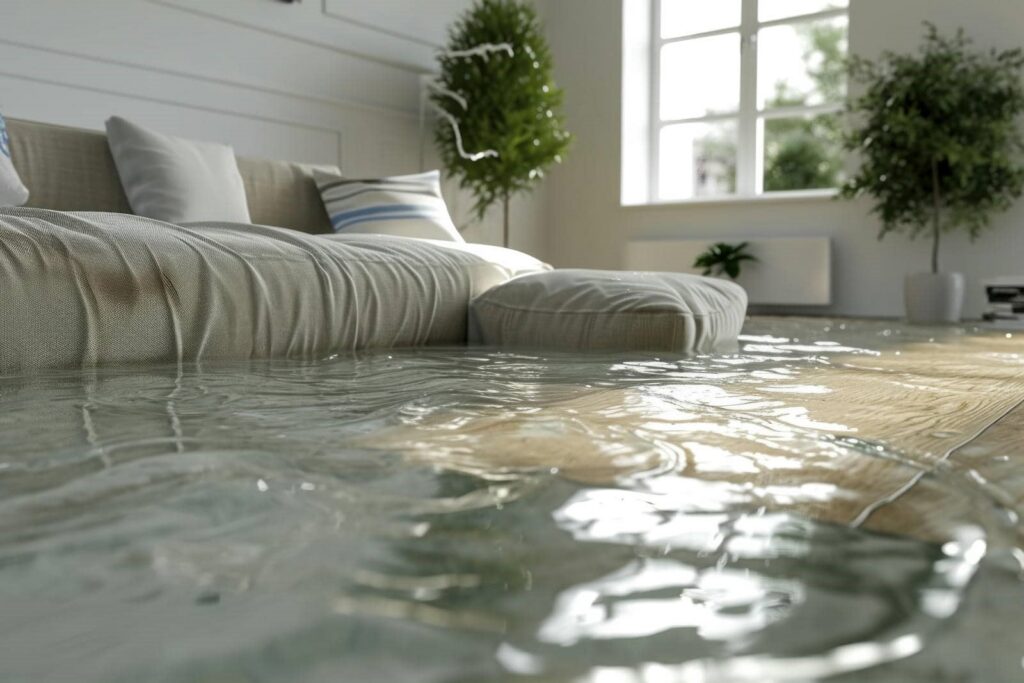
After a severe storm, you might find your home waterlogged and at risk for mold. To assess the damage accurately, you need reliable tools that can measure hidden moisture levels and evaluate structural integrity. Moisture meters and thermal imaging cameras are essential for pinpointing problem areas. But how do you ensure you’re using the right equipment and expertise to navigate the complexities of flood damage assessment? The answer lies in understanding the tools at your disposal.
Key Takeaways
- Moisture Meters: Essential for detecting hidden water intrusion and assessing moisture levels in both surfaces and subsurfaces post-flood.
- Thermal Imaging Cameras: Reveal hidden moisture issues and assess insulation effectiveness, helping identify leaks not visible to the naked eye.
- Structural Assessment Tools: Utilize laser levels and calipers to evaluate foundation stability, ensuring safety and identifying potential weaknesses.
- Drones: Provide aerial views for large-scale damage assessment, making it easier to document widespread flooding effects and property conditions.
- Documentation Software: Streamlines the collection and organization of data, enhancing the accuracy of evaluations for insurance claims and recovery planning.
Overview of Flood Damage Evaluation
When evaluating flood damage, it’s crucial to understand the various factors that influence the evaluation process. You’ll encounter different damage types, including structural, electrical, and content damage, each requiring specific assessment techniques.
The flood impact on a property can vary greatly based on water depth, duration, and the materials involved. For instance, while some materials may be salvageable, others might require complete replacement. Recognizing these nuances helps you prioritize recovery efforts effectively.
Additionally, the evaluation process often involves detailed inspections and documentation, which play critical roles in insurance claims and restoration planning. By grasping these elements, you can navigate the complexities of flood damage evaluation and foster a sense of community support in recovery efforts.
Understanding the Importance and Tools for Accurate Flood Damage Evaluation
Accurate flood damage evaluation is essential, as it directly impacts recovery efforts and financial compensation. Understanding the extent of damage allows you to implement effective flood prevention strategies, ensuring you minimize future risks.
You’ll need to gather precise data on affected areas, structural integrity, and potential hazards. Utilizing advanced tools can streamline this process, making it easier to document damage thoroughly.
This thorough evaluation is vital for managing insurance claim processes, as it helps you substantiate your claims with solid evidence. By being meticulous, you enhance your chances of receiving fair compensation and contribute to a more resilient community.
Accurate assessments empower everyone to recover and rebuild more effectively, fostering a sense of belonging and shared responsibility.
Using Moisture Meters for Effective Flood Damage Assessment
Moisture meters serve as critical instruments in evaluating flood damage, enabling you to pinpoint hidden water intrusion that may compromise structural integrity.
Accurate moisture measurement is essential for effective flood recovery, as it helps identify areas at risk for mold growth and structural decay. By using a moisture meter, you can assess both surface and subsurface moisture levels, allowing you to make informed decisions about remediation strategies.
These devices provide quantitative data, ensuring you’re not just guessing about the extent of water damage.
Whether you’re a homeowner or a restoration professional, incorporating moisture meters into your assessment toolkit fosters a sense of belonging in the community focused on effective flood recovery and damage prevention.
How Thermal Imaging Helps Spot Flood Damage?
Although traditional methods can identify visible water damage, thermal imaging offers a powerful advantage in uncovering hidden issues caused by flooding. This technology allows you to see temperature variations that indicate moisture presence, enhancing flood damage detection considerably.
Here are some key thermal imaging applications in flood assessments:
Identifying hidden leaks: Thermal cameras can reveal moisture trapped behind walls or under floors, which mightn’t be visible to the naked eye.
Assessing insulation effectiveness: You can evaluate how well insulation has withstood water exposure, essential for preventing future issues.
Locating mold risks: By detecting cooler, damp areas, thermal imaging helps you pinpoint spots where mold is likely to develop after flooding.
Utilizing these applications ensures a thorough evaluation of flood damage.
Assessing Structural Integrity After Flooding
After identifying hidden moisture issues with thermal imaging, evaluating the structural integrity of a building following flooding becomes imperative.
Begin with a thorough foundation inspection; it reveals any cracks or shifts that could compromise stability. Pay attention to signs of settling or water pooling around the base, as these indicate potential weaknesses.
Next, conduct a load bearing evaluation to determine if walls, beams, and columns can safely support the structure’s weight. Look for warping, buckling, or signs of rot, which may necessitate repairs.
Selecting Experts for Flood Damage Evaluation
When selecting experts for flood damage evaluation, it’s crucial to prioritize qualifications and experience to secure a thorough appraisal.
You want professionals who can accurately identify the extent of damage and recommend appropriate remediation.
Consider the following evaluation criteria:
Licensing and Certifications: Confirm they hold relevant certifications in flood damage restoration and structural engineering.
Experience in Similar Situations: Look for experts with a proven track record in evaluating flood damage specific to your region.
Technological Proficiency: They should be familiar with the latest tools and techniques for determining damage and estimating repair costs.
Frequently Asked Questions
What Are the Signs of Hidden Flood Damage?
You’ll notice signs of hidden flood damage through mold growth, musty odors, and warped surfaces. Check for compromised structural integrity, like sagging ceilings or floors, which may indicate underlying water damage needing immediate attention.
How Quickly Should Flood Damage Be Assessed?
You should assess flood damage within 24 to 48 hours for ideal results. An immediate response ensures accurate evaluation and mitigation, preventing further complications. Timely assessments help you safeguard your property and minimize future risks effectively.
Can DIY Methods Effectively Evaluate Flood Damage?
Yes, DIY techniques can effectively evaluate flood damage, but they require careful observation and knowledge. Conducting a thorough damage assessment involves checking structural integrity, moisture levels, and potential hazards to ensure safety and accuracy.
What Are the Long-Term Effects of Flood Damage?
Flood damage can devastate communities like a raging storm. You’ll face long-term mental health challenges, decreased property values, environmental impacts, and struggles in community recovery, all intertwining to shape your future and surroundings.
How Can Insurance Influence Flood Damage Evaluation?
Insurance substantially influences flood damage evaluation by determining coverage limits and affecting claim processes. Your policies dictate how damage assessments are conducted, ensuring you receive the compensation necessary to recover from flooding’s financial impact.
Recap
In flood damage evaluation, think of your home as a ship in turbulent waters. Just as a captain uses precise instruments to navigate, you need moisture meters, thermal imaging, and structural assessment tools to chart a safe course for recovery. By employing these technologies, you can uncover hidden issues, ensuring your vessel remains seaworthy. Proper evaluation isn’t just about damage—it’s about safeguarding your investment and providing peace of mind in the face of adversity.