
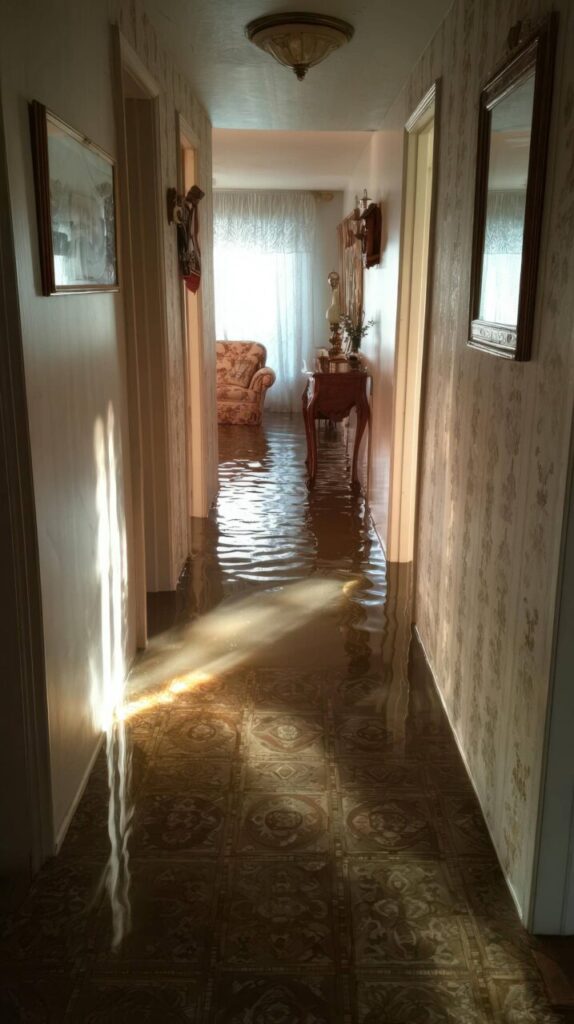
When faced with the aftermath of a flood, understanding the extent of flood damage can feel like a formidable task. You’ll want to approach the situation systematically. Start by conducting a visual inspection of the affected areas, then move on to employing moisture detection tools. Each method offers valuable insights, but there are nuances to take into account. Let’s explore these techniques to ensure you don’t miss any critical details in your assessment.
Key Takeaways
- Conduct a visual inspection to identify visible damage signs like discoloration, warping, and mold growth in affected areas.
- Assess hidden spaces such as attics and basements for unnoticed water seepage that could lead to further issues.
- Utilize moisture detection tools like moisture meters and infrared cameras to accurately measure hidden dampness and moisture levels.
- Consider hiring professional assessment services for advanced evaluations and detailed reports on necessary repairs and restoration steps.
- Document all findings with photographs and notes to support discussions with contractors and insurers, ensuring a smoother restoration process.
Visual Inspection of Affected Areas
Visual inspection of affected areas is an essential first step in flood damage assessment. You’ll want to methodically examine your property, looking for clear damage signs like discoloration, warping, and mold growth.
Create an inspection checklist to ensure you cover every important area, including walls, ceilings, and flooring. Pay special attention to the foundation, as even minor cracks can indicate significant issues beneath the surface.
As you assess, document your findings with photographs and notes, which will help in future discussions with contractors or insurance adjusters.
Don’t overlook hidden spaces, such as attics and basements, where water may have seeped in unnoticed. By systematically analyzing each area, you’ll gain a thorough understanding of the damage and the necessary steps for restoration.
Moisture Detection Tools
Effective flood damage evaluation often relies on moisture detection tools to accurately gauge the extent of water intrusion. As a homeowner, investing in moisture meters can provide you with immediate insights into hidden dampness within walls, floors, and ceilings. These devices measure moisture content, allowing you to pinpoint areas that need urgent attention.
Additionally, infrared cameras are invaluable in this process. They detect temperature variations, helping you identify moisture that’s otherwise invisible to the naked eye. By using these tools systematically, you can create a thorough picture of the damage and prioritize repairs effectively.
Furthermore, understanding how to interpret the readings from these devices ensures that you make informed decisions moving forward. With both moisture meters and infrared cameras, you’re not just evaluating damage—you’re taking proactive steps to safeguard your home and maintain its value.
Professional Assessment Services
While moisture detection tools provide valuable insights into the extent of water damage, professional assessment services take the evaluation process a step further.
These experts gauge damage and help you navigate the complex restoration process and insurance claims.
Here’s what you can expect from a professional assessment:
- Thorough damage evaluation using advanced technology.
- Detailed reports that outline necessary repairs and restoration steps.
- Assistance with insurance claims to ensure you receive proper compensation.
- Recommendations for reliable restoration contractors based on your unique situation.
Frequently Asked Questions
How Can I Prevent Future Flooding in My Home?
To prevent future flooding in your home, implement flood prevention tips like installing proper drainage solutions, maintaining gutters, and landscaping to direct water away. Regular inspections can help identify potential issues before they escalate.
What Insurance Covers Flood Damage Assessments?
Your flood insurance typically includes assessment coverage, ensuring you’re protected during evaluations. Always check your policy details to maximize your financial security after a flood.
How Long Does the Assessment Process Take?
The assessment duration varies, typically taking one to three days. Inspections often follow a systematic timeline, ensuring thorough evaluations of damage. You’ll find that detailed assessments lead to more accurate claims and better recovery outcomes.
Can I Assess Damage Myself or Should I Hire a Pro?
You can conduct a DIY assessment for minor damage, but a professional evaluation is often more thorough. Weigh your comfort level against potential missed issues—getting expert help ensures nothing’s overlooked and provides peace of mind.
What Signs Indicate Hidden Water Damage?
Imagine a hidden forest, where mold growth creeps silently, threatening the trees’ structural integrity. Look for water stains, peeling paint, or musty odors; these signs reveal the lurking damage beneath your home’s surface, waiting to be discovered.
Summary
Evaluating flood damage requires a systematic approach to ensure no issue goes unnoticed. By conducting a thorough visual inspection, leveraging moisture detection tools, and considering professional assessment services, you can make well-informed decisions about restoration. Just like a detective piecing together clues, each method plays an essential role in revealing the full extent of the damage. Don’t underestimate the importance of these techniques; they’re your best allies in steering through the aftermath of flooding effectively.