
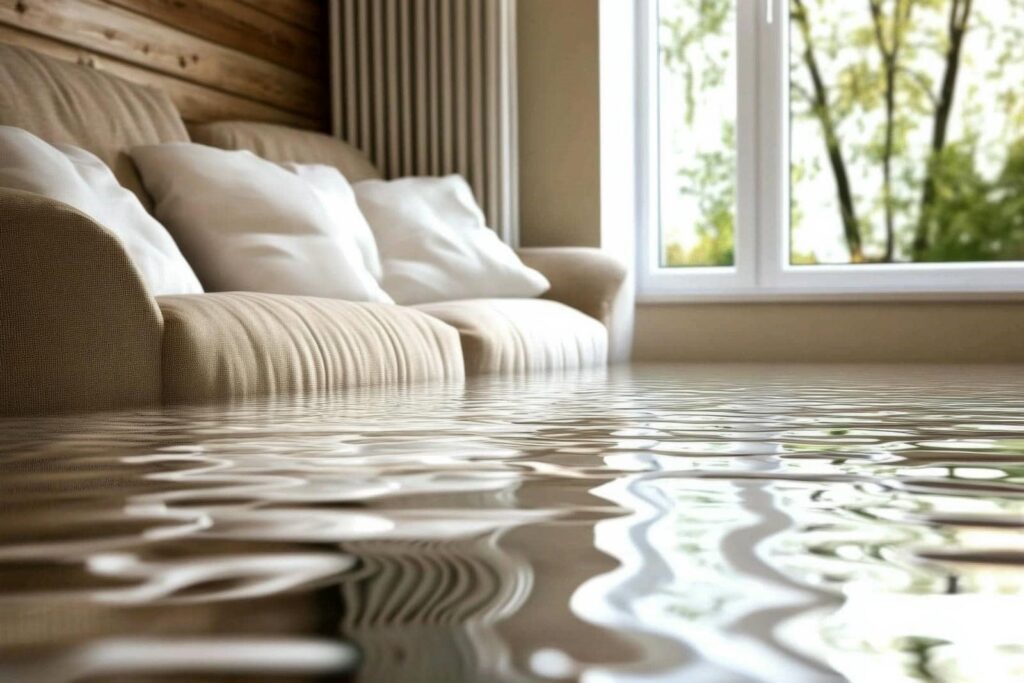
Accurately evaluating this flood damage is essential for effective recovery and resource allocation. By utilizing advanced devices, you can enhance your evaluation process markedly. Understanding which tools to employ and mastering their use can make all the difference. Let’s explore the best devices that can streamline flood damage evaluation and improve community preparedness.
Key Takeaways
- Moisture meters are essential for detecting hidden water levels and assessing property valuation after flooding events.
- Thermal imaging cameras reveal temperature differences, helping identify moisture retention and hidden damage.
- Drones provide rapid aerial surveys, allowing for extensive damage assessment with high-resolution imagery.
- Portable water testing kits ensure quick analysis of water quality to address contamination risks effectively.
- Accurate measurements from reliable monitoring devices inform safety protocols and remediation efforts post-flooding.
Understanding the Importance of Flood Damage Evaluation
When floods occur, understanding the extent of damage is essential for effective recovery and mitigation. Evaluating flood impact accurately allows you to prioritize resources and develop targeted strategies.
Various assessment techniques, such as aerial surveys and ground inspections, provide critical data on affected areas. You’ll want to leverage technology, like drones or remote sensing, for precise measurements and real-time analysis.
This information helps quantify damage and guides community response efforts, ensuring that support reaches those in need promptly. By mastering these evaluation methods, you foster a sense of unity and resilience within your community, empowering everyone to work together toward recovery and future preparedness.
Key Criteria for Evaluating Flood Damage Devices
To effectively evaluate flood damage devices, you must consider several key criteria that ensure peak performance and reliability.
Start with the evaluation criteria, focusing on detection devices’ accuracy in moisture detection and water quality assessment. Look for tools that utilize infrared technology for precise temperature readings, essential for identifying hidden moisture.
Safety standards should also be a priority; devices must comply with regulations to ensure user safety during inspections.
Additionally, effective inspection methods, including aerial assessment capabilities, can enhance your evaluation process.
Choose assessment tools that integrate these features to provide thorough flood damage analysis, enabling you to make informed decisions that protect both properties and lives.
Essential Tools for Flood Damage Assessment
Effective flood damage assessment hinges on utilizing the right tools. You’ll need moisture meters for accurate evaluation, ensuring precise property valuation during disaster recovery.
Thermal imaging cameras help identify hidden water damage, essential for effective risk assessment and damage mitigation.
When developing an emergency response plan, drones can quickly survey large areas, providing a thorough overview of affected zones.
For community preparedness, software that models flood scenarios aids in understanding potential impacts.
Additionally, portable generators make sure you have power for essential equipment during assessments.
Each tool plays a significant role in the restoration process, ensuring you address damage effectively and meet flood insurance requirements.
How to Choose the Best Moisture Meters for Water Detection
Selecting the right moisture meter for water detection is essential, especially in flood-damaged areas where accuracy can greatly affect restoration efforts.
When choosing a moisture meter, consider the following factors:
Moisture meter types: Choose between pin, pinless, or hygrometers based on your needs.
Sensor accuracy: Look for devices that provide precise readings to ensure effective assessment.
Calibration techniques: Opt for meters that allow easy calibration for consistent results.
User-friendly features: Consider displays, alerts, and portability to enhance usability on-site.
Price comparisons and brand reliability: Evaluate different brands and their warranties to confirm a sound investment.
Best Practices for Using Infrared Cameras in Damage Assessment
When using infrared cameras for damage assessment, it’s essential to optimize your camera settings for accurate readings.
You’ll need to focus on specific temperature ranges and adjust the emissivity settings to improve image quality.
Interpreting thermal images correctly will help you identify hidden moisture and potential structural issues effectively.
Optimal Camera Settings
To ensure accurate damage assessment, it’s essential to configure your infrared camera with ideal settings.
Focus on these critical parameters to enhance your evaluation:
Camera resolution: Higher resolution provides more detail, aiding in identifying subtle damage.
Lighting conditions: Ensure proper ambient light; too much or too little can impact image clarity.
Image stabilization: Use this feature to minimize blurriness, especially in dynamic environments.
Lens type: Choose the appropriate lens to match your distance and field of view requirements.
Exposure settings and focus techniques: Adjust these for best thermal contrast and clarity.
Interpreting Thermal Images
| Best Practices | Importance |
|---|---|
| Maintain ideal distance | Ensures clear images |
| Use consistent settings | Reduces variability |
| Analyze in real-time | Quick decision-making |
| Document findings | Aids in future assessments |
Incorporating these infrared analysis techniques will empower you to identify potential problems faster, ensuring a thorough assessment that keeps you connected with your team and clients.
Selecting Reliable Water Level Sensors for Flood Monitoring
How can you ensure effective flood monitoring with the right water level sensors? Selecting reliable sensors is essential for accurate flood risk assessment. Here are key factors to take into account:
Sensor Calibration Techniques: Make certain your sensors can be easily calibrated for precise readings.
Durability: Opt for rugged sensors that can withstand harsh environmental conditions.
Real-Time Data Transmission: Choose models that provide instant data reporting for timely decision-making.
Compatibility: Make certain sensors integrate seamlessly with your existing monitoring systems.
Accuracy: Look for high-resolution sensors to detect even minor water level changes.
Choosing the Right Air Quality Testers for Post-Flood Safety
After a flood, evaluating indoor air quality is essential for safety.
You need to understand the different types of air quality testers available, as well as key features that enhance their effectiveness.
Accurate measurements are fundamental to ensure a safe environment, so selecting the right device is imperative.
Types of Air Quality Testers
When evaluating air quality post-flood, selecting the right type of air quality tester is essential for ensuring safety and health. Various testers can help analyze both indoor and outdoor air conditions:
Particulate Matter Testers: Measure airborne particles to assess cleanliness.
Volatile Organic Compound (VOC) Detectors: Identify harmful chemical emissions from materials.
Humidity Sensors: Monitor moisture levels that can lead to mold growth.
Gas Emission Analyzers: Detect harmful gases like carbon dioxide and methane.
Multi-parameter Devices: Combine multiple sensors for thorough analysis.
Each type has varying sensor accuracy and calibration methods, so choose accordingly to effectively evaluate conditions and ensure a safe environment.
Prioritizing the right tools can help safeguard your health amid post-flood challenges.
Key Features To Consider
Choosing the right air quality testers for post-flood safety involves careful consideration of several key features that directly impact performance and reliability. You’ll want to evaluate the device durability to make sure it withstands harsh conditions. Look for user-friendly interfaces that make operation straightforward. Data accuracy is vital for reliable results, while cost-effectiveness helps manage your budget. Consider portability options, as you may need to move the device between locations. Battery life is essential for extended use, and you should be aware of calibration requirements to maintain accurate readings.
| Feature | Importance |
|---|---|
| Device Durability | Ensures long-term use |
| User-Friendly Interface | Simplifies operation |
| Data Accuracy | Ensures reliable results |
Importance Of Accurate Measurements
Accurate measurements are essential in evaluating air quality after a flood, as they directly influence safety protocols and remediation efforts.
To ensure effective evaluations, focus on the following key aspects:
Data Accuracy: Reliable readings are vital for informed decision-making.
Measurement Standards: Adhering to established guidelines enhances credibility.
Device Calibration: Regular calibration ensures that your instruments provide precise results.
Assessment Reliability: Consistent results strengthen the trustworthiness of your findings.
Evaluation Techniques: Employing advanced methods maximizes the impact of your assessments.
Portable Water Testing Kits for Quality Control
While evaluating flood damage, using portable water testing kits is essential for determining water quality quickly and effectively.
These kits enable you to conduct portable testing, addressing contamination risks right in the field. Their user-friendly features streamline sample collection, allowing for quick assessments of various contaminants. You can employ multiple testing methods to ensure thorough analysis, which aids in accurate data analysis.
With their field portability, these kits are designed for easy transport, assuring you can assess water quality wherever necessary. Understanding the environmental impact of flood events requires reliable results, and these portable testing kits provide that result accuracy you need to make informed decisions.
Prioritize water quality to safeguard health and mitigate potential damage.
Tools for Inspecting Flood-Damaged Floors Effectively
When evaluating flood-damaged floors, using the right tools is essential for accurate evaluation.
Moisture meters help you identify hidden water levels, while infrared cameras detect temperature variations that indicate moisture presence.
Floor inspection tools allow for a thorough analysis of structural integrity, ensuring you address all potential issues effectively.
Moisture Meters
Moisture meters are essential tools for accurately evaluating flood-damaged floors. They provide vital moisture detection, allowing you to assess damage effectively.
When choosing a moisture meter, consider these factors to ensure meter accuracy:
- Type: Select between pin-type or pinless meters based on your needs.
- Range: Confirm the meter covers a range suitable for various materials.
- Calibration: Look for meters that offer easy calibration for precise readings.
- Data Logging: Some meters can store data, aiding in long-term assessments.
- User Interface: A clear display and intuitive controls enhance usability.
Infrared Cameras
Infrared cameras play an essential role in evaluating flood damage, as they allow you to visualize temperature differences in materials. By utilizing thermal imaging, you can detect heat signatures that indicate moisture retention beneath surfaces like flooring.
This technology helps you identify areas affected by water intrusion that mightn’t be visible to the naked eye. When you scan a flooded area, the infrared camera highlights cooler regions, revealing potential hidden water damage.
Understanding these thermal patterns enables you to prioritize your remediation efforts effectively. With accurate data at your fingertips, you can make informed decisions, ensuring a thorough assessment of the flood damage and a strategic approach to restoration.
Embracing this technology fosters a sense of belonging within the professional community dedicated to effective flood recovery.
Floor Inspection Tools
Effective flood damage evaluation often hinges on the right floor inspection tools. Utilizing proper floor inspection techniques ensures accurate assessments of water damage and potential hazards.
Here are essential tools to take into account:
Moisture Meters: Measure moisture levels in various floor materials.
Thermal Imaging Cameras: Detect hidden moisture behind surfaces.
Concrete Scanners: Identify rebar and voids before drilling.
Infrared Thermometers: Assess surface temperatures for anomalies.
Borescope: Inspect inaccessible areas within floor structures.
Using Drones for Aerial Flood Damage Assessment
Drones have revolutionized the way we assess flood damage, offering a swift and extensive aerial perspective that traditional methods can’t match. With advanced drone technology, you can capture high-resolution aerial imaging, enabling you to identify affected areas quickly and accurately. This not only speeds up the evaluation process but also enhances collaboration among stakeholders.
| Feature | Benefits | Application |
|---|---|---|
| High Resolution | Detailed imagery for accurate analysis | Identifying structural damage |
| Real-time Data | Immediate insights for decision-making | Prioritizing response efforts |
| Accessibility | Reach remote or hazardous areas | Thorough damage assessment |
Utilizing drones ensures you get a complete view of the flood’s impact, fostering informed decisions and efficient recovery strategies.
Frequently Asked Questions
How Often Should Flood Damage Evaluations Be Conducted?
You should conduct flood damage evaluations after significant events and regularly based on flood frequency in your area. Utilizing diverse evaluation methods ensures thorough assessments, helping maintain safety and property integrity within your community.
What Qualifications Should Evaluators Have for Flood Assessments?
You wouldn’t trust a goldfish to assess a flood! Evaluators need strong qualifications, like flood assessment certifications and expertise in environmental science. Their skills ensure accurate evaluations, providing peace of mind to affected communities.
Can Flood Damage Devices Be Rented Instead of Purchased?
Yes, you can rent flood damage devices as part of your flood recovery options. Renting equipment often proves cost-effective, allowing you to access the latest technology without the commitment of purchasing, ensuring efficient assessments.
Are There Specific Certifications for Flood Evaluation Equipment?
Yes, you’ll find certification standards for flood evaluation equipment, ensuring reliability. Think of it like a lifeguard at a swimming pool—certified to save lives, not just someone splashing around. Trust certified gear for accurate assessments.
How Can I Ensure Accurate Readings From Moisture Meters?
To ensure accurate readings from moisture meters, regularly apply calibration techniques specific to your meter types. Consistently check against known moisture standards, and maintain proper environmental conditions for reliable, precise measurements that enhance your evaluation process.
Final Thoughts
Using the right tools for flood damage evaluation isn’t just smart—it’s essential. You’ll find that moisture meters, thermal cameras, and drones streamline assessments while aligning with your community’s safety and recovery goals. By choosing the right devices, you ensure accuracy and efficiency, which help you make informed decisions. The next time disaster strikes, you’ll be equipped to respond swiftly and effectively, turning potential chaos into coordinated recovery efforts.