
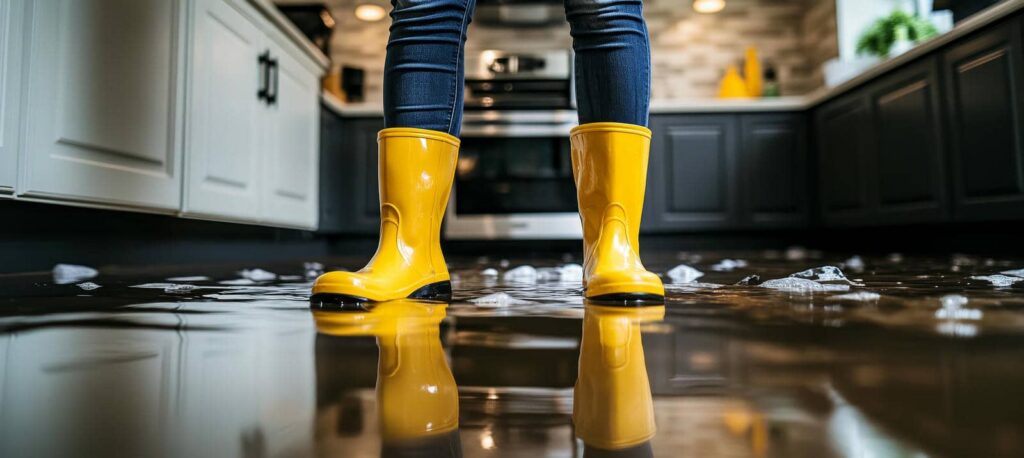
Water can be both a crucial resource and a destructive force in office environments. When faced with water damage, your immediate response can greatly impact the overall outcome. Knowing how to assess the situation, utilize the right tools, and implement effective cleanup strategies is essential. As you navigate this complex process, understanding the underlying causes and preventive measures will not only aid recovery but also safeguard your workspace in the future.
Key Takeaways
- Immediately assess water damage by identifying the source and extent, using moisture meters and visual inspections.
- Shut off utilities to prevent further damage and ensure safety during cleanup.
- Use essential tools like wet/dry vacuums, dehumidifiers, and fans for effective water removal and drying.
- Document all damage with photos and notes for insurance purposes and future reference.
- Implement preventative measures such as routine inspections and employee training to minimize future water damage risks.
Understanding the Causes of Water Damage in Offices
When you think about water damage in offices, it’s vital to recognize the various causes that can lead to such issues. One common culprit is leaky roofs. Over time, wear and tear can result in cracks or gaps, allowing rainwater to seep in and cause structural damage.
You should regularly inspect your roof and address any signs of deterioration promptly.
Another significant cause is plumbing failures. Old or poorly maintained pipes can develop leaks, leading to water pooling in unexpected areas. This not only damages your office space but can also create hazardous mold growth.
It’s important to stay proactive by scheduling routine plumbing inspections and addressing any issues you notice immediately.
Assessing the Extent of Water Damage
Before you can effectively tackle water damage cleanup, it’s essential to assess the extent of the damage thoroughly. Start by identifying the water damage categories: clean water, gray water, and black water. Each category requires different approaches for cleanup and restoration.
Use damage assessment techniques like visual inspections, moisture meters, and thermal imaging to pinpoint affected areas. Pay attention to hidden spots, such as behind walls or under carpets, as damage can often lurk out of sight.
Document your findings with photos and notes to keep a clear record for insurance purposes. Engage your team in this process; a collective effort fosters a sense of belonging and shared responsibility.
Immediate Steps to Take After Water Damage Occurs
After water damage occurs, your first priority is to assess the damage thoroughly to understand its extent.
Next, shut off utilities to prevent further risks like electrical hazards.
Finally, remove any standing water promptly to minimize additional damage and mold growth.
Assess the Damage
In the wake of water damage, your first priority should be to assess the extent of the destruction. Start by identifying key damage indicators, such as water stains, warped floors, and mold growth.
Use inspection techniques like a moisture meter to pinpoint affected areas that may not be immediately visible. Check walls, ceilings, and furniture for signs of dampness and structural integrity.
Document everything with photos and notes this will be invaluable for insurance claims and restoration efforts. Don’t rush; a thorough assessment is essential for effective cleanup.
Shut Off Utilities
As soon as you discover water damage, it’s crucial to shut off utilities to prevent further complications.
Begin by identifying the main water supply valve and turning it off to stop additional flooding. Next, locate your electrical panel and switch off the power; this reduces the risk of electrical hazards.
If you’re unsure about utility shutoff procedures, consult your building’s manual or reach out to your service provider contacts for guidance.
Don’t forget to document the situation, including photos, which can help when communicating with your insurance or service providers later.
Taking these immediate steps guarantees safety and minimizes damage, allowing you to focus on the next phase of cleanup with confidence.
Remove Standing Water
With utilities shut off, the next step is to remove standing water promptly to mitigate further damage.
Begin by using a wet/dry vacuum for efficient water extraction. If the flooding is extensive, consider renting a submersible pump to speed up the process. Make sure you wear appropriate gear gloves and boots to protect yourself from contaminants.
Focus on areas where water has pooled, moving systematically through the office. Don’t forget to check beneath furniture and appliances, as water can hide in these spaces.
Once you’ve extracted as much water as possible, use fans and dehumidifiers for thorough flood management. This will help prevent mold growth and preserve your office’s integrity, fostering a safe and welcoming environment for everyone.
Essential Tools and Equipment for Water Damage Cleanup
When tackling water damage cleanup, having the right tools and equipment is essential for an efficient and effective restoration process.
You’ll want to focus on items that aid in water extraction and moisture detection, ensuring your workspace returns to normal quickly and safely.
Here are three must-have tools:
Wet/Dry Vacuum: This powerful tool is perfect for water extraction, quickly removing standing water from carpets and hard surfaces.
Moisture Meter: Investing in a moisture detection device helps you gauge moisture levels in walls and floors, ensuring no hidden dampness remains.
Dehumidifier: A good dehumidifier reduces humidity levels, preventing mold growth and accelerating the drying process.
Professional Water Damage Restoration Services
Water damage can escalate quickly, making timely intervention critical. When faced with such emergencies, you’ll want to rely on professional water damage restoration services.
These experts provide an immediate emergency response, evaluating the situation and minimizing further damage. They use advanced restoration techniques tailored to your specific needs, ensuring a thorough cleanup of affected areas.
Professionals are equipped to handle everything from water extraction to drying and sanitizing, using specialized equipment that ordinary tools can’t match.
They’ll also identify potential hazards, like mold growth, which could jeopardize both your health and your office environment.
By working with experienced restoration services, you not only restore your office to its pre-damage condition but also gain peace of mind knowing that the job is done right.
Preventing Future Water Damage in Commercial Spaces
To effectively prevent future water damage in your commercial space, you need to implement regular maintenance checks on plumbing and roofing systems.
Ensuring proper drainage systems are in place will help redirect water away from your property.
Additionally, conducting employee awareness training can empower your team to identify potential issues before they escalate.
Regular Maintenance Checks
Regular maintenance checks are essential for safeguarding your commercial space from potential water damage.
By implementing a routine inspection schedule, you can identify issues before they escalate into costly repairs.
Here are three key areas to focus on:
Plumbing Systems: Regularly inspect pipes, faucets, and fixtures for leaks or corrosion to guarantee they’re functioning properly.
Roof and Gutters: Conduct preventive maintenance by clearing debris and checking for damage that could lead to leaks.
Basement and Crawl Spaces: Monitor for moisture buildup and use dehumidifiers if necessary to maintain a dry environment.
Proper Drainage Systems
While guaranteeing your commercial space has a proper drainage system may seem like a minor detail, it plays a critical role in preventing future water damage.
Implementing effective drainage solutions can greatly improve your water management strategy. Start by evaluating your property’s landscape and identifying areas where water tends to pool.
Installing gutters, downspouts, and drainage channels can redirect water away from your building’s foundation. Regularly inspect these systems to verify they function properly, clearing any debris that may obstruct flow.
Additionally, consider using permeable paving materials to enhance water absorption.
Employee Awareness Training
Even with a well-designed drainage system in place, the risk of water damage in commercial spaces remains if employees aren’t aware of their role in prevention.
Implementing effective training programs guarantees everyone understands their responsibilities.
Here are three key employee roles to focus on:
Regular Inspections: Train employees to routinely check for leaks, water pooling, or any signs of moisture.
Prompt Reporting: Encourage staff to report any water issues immediately to prevent escalation.
Emergency Procedures: Educate employees on how to act during a water-related incident, including the location of shut-off valves.
Insurance Considerations for Water Damage Claims
When dealing with water damage, understanding your insurance coverage is vital, as it can greatly influence your recovery process. Start by reviewing your insurance policy to identify what’s covered regarding water damage. Most policies include specific clauses for different types of water damage like burst pipes versus flooding so know the distinctions.
Next, familiarize yourself with the claim process. Document the damage thoroughly with photos and detailed descriptions, as this information is essential for your claim. Notify your insurance company promptly and follow their instructions carefully to avoid delays.
It’s also wise to keep records of all communications and receipts related to the damage and repairs. Engaging a professional water damage restoration company may be beneficial, as they can provide detailed reports to support your claim.
Long-term Effects of Water Damage on Office Environments
Water damage can have serious long-term effects on office environments that extend far beyond the immediate mess.
If you don’t address these issues promptly, your workspace could suffer greatly. Here are three key consequences you should be aware of:
Mold Growth: If moisture remains, mold can thrive, leading to health risks for employees and costly remediation efforts.
Structural Integrity: Water can weaken building materials, compromising walls, ceilings, and floors. This deterioration can lead to safety hazards and expensive repairs.
Decreased Productivity: A damp, musty atmosphere can affect employee morale and productivity, leading to increased absenteeism and reduced job satisfaction.
Frequently Asked Questions
How Can I Tell if My Office Has Hidden Water Damage?
Check for hidden leaks by inspecting walls and ceilings for water stains. Look for discoloration, peeling paint, or mold growth. If you notice any of these signs, it’s essential to investigate further for potential damage.
What Are the Health Risks Associated With Office Water Damage?
“An ounce of prevention’s worth a pound of cure.” Office water damage can lead to mold growth, causing respiratory issues. Addressing water problems promptly protects your health and creates a safer, more comfortable workplace for everyone.
Can I Clean up Water Damage Myself?
Yes, you can handle DIY cleanup for minor water damage. Start with water extraction using a wet/dry vacuum, then thoroughly dry the area to prevent mold. Make sure you wear protective gear and follow safety guidelines.
How Long Does Water Damage Restoration Typically Take?
Water damage restoration typically takes a few days to a couple of weeks. The restoration timeline depends on the damage assessment’s complexity, ensuring every step is meticulously handled to restore your space to its former glory.
What Should I Do With Damaged Office Equipment?
Assess the damage to your office equipment, document everything for insurance claims, and consult your policy. If necessary, prioritize equipment replacement, ensuring you choose reliable options that fit your business needs and budget.
Wrap-Up
In the wake of water damage, acting swiftly is your lifeline. Like a ship steering through turbulent waters, you must assess, respond, and restore with precision. Equip yourself with the right tools and knowledge to keep your office not just afloat, but thriving. By prioritizing prevention and understanding insurance intricacies, you can weather any storm. Remember, a proactive approach transforms potential disasters into mere ripples in your workspace’s fabric. Safeguard your environment and guarantee a resilient future.