
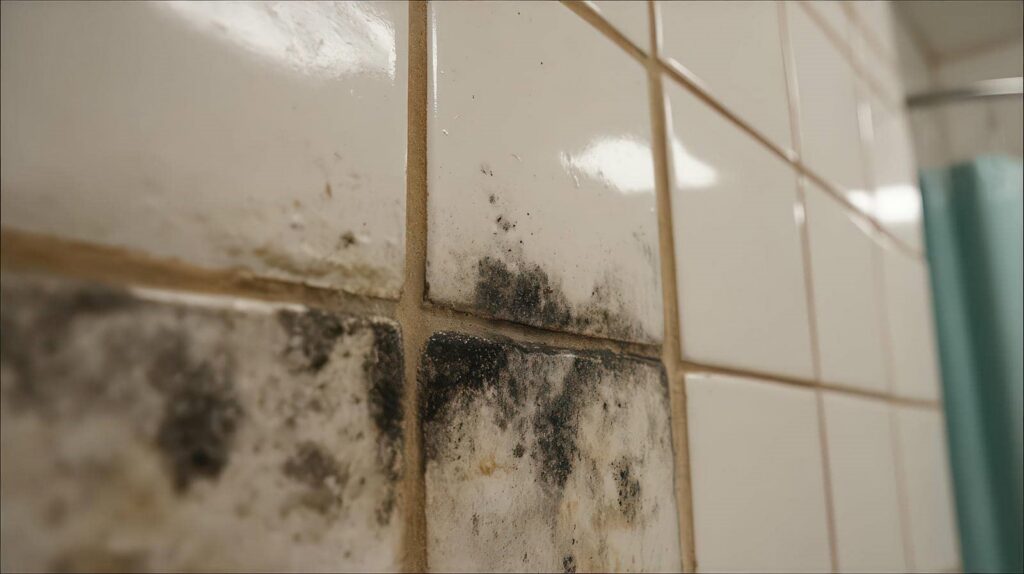
After a flood, addressing mold risks is vital for your health and safety. You might not realize that even small amounts of moisture can lead to extensive mold growth in your home. Identifying contaminated areas and understanding the signs of mold are essential first steps. But how do you ensure effective mold remediation and long-term prevention? Let’s explore the key strategies that can safeguard your environment and keep mold at bay.
Key Takeaways
- Begin cleanup within 24 to 48 hours post-flood to prevent mold growth and protect health.
- Remove porous materials like drywall and carpeting immediately to limit mold spread.
- Use fans, dehumidifiers, and proper ventilation to dry affected areas quickly and reduce humidity.
- Inspect hidden areas for moisture and conduct routine maintenance to prevent future mold growth.
- Seek professional help if extensive mold is present or if health issues arise.
Why Mold After Flooding Can Be Dangerous
When flooding occurs, you mightn’t realize that mold can start growing within 24 to 48 hours, posing serious health risks.
Mold exposure can lead to respiratory issues, allergies, and even long-term conditions, particularly for vulnerable groups like children and the elderly. To safeguard your health and that of your loved ones, understanding mold health risks is essential.
To effectively tackle this issue, mold growth prevention is key. Start by promptly removing water-damaged materials and ensuring proper ventilation.
Use dehumidifiers to keep humidity levels low, ideally below 60%. Regularly inspect hidden areas for moisture accumulation.
Signs You Need Mold Removal
How can you tell if your home needs mold removal? Start by using mold identification techniques like visual inspections and moisture detection.
If you notice dark spots or a musty odor, it’s a strong indicator. Pay attention to your health, too; experiencing respiratory issues, skin irritation, or unexplained fatigue could signal mold health risks.
Check areas prone to dampness, such as basements, bathrooms, and around windows. If you’ve recently experienced flooding, the risk increases considerably.
Don’t ignore these signs—addressing mold early can prevent serious health complications and property damage. Trust your instincts; if something feels off, it’s better to be proactive than reactive.
Your home should be a safe space, and mold doesn’t belong in it.
Key Steps for Flood Cleanup
When you face flood damage, it’s essential to assess the extent of the damage thoroughly.
This evaluation helps you identify which materials are contaminated and need removal. Acting quickly can prevent further mold growth and structural issues in your home.
Assess Damage Thoroughly
Evaluating damage after a flood is essential for effective remediation. Start by employing mold assessment techniques to identify areas at risk. Inspect walls, floors, and ceilings for moisture and visible mold growth. Use moisture meters to measure levels accurately, ensuring you don’t overlook hidden issues.
Next, apply damage evaluation methods to categorize the extent of the destruction. Document everything meticulously, noting materials affected and their condition.
This thorough assessment helps prioritize your cleanup efforts and guides you in making informed decisions about what can be salvaged.
Remove Contaminated Materials
Removing contaminated materials is an essential step in flood cleanup, and it often involves three key actions.
First, identify and remove porous materials like drywall, carpeting, and contaminated insulation, as they’re prone to mold growth. These materials can harbor hidden moisture, making them impossible to salvage.
Second, make sure you’re wearing protective gear while handling these items to prevent exposure to harmful spores.
Finally, dispose of the contaminated materials properly—check local regulations to ensure safe disposal methods.
Taking these actions protects your health and aids in restoring your home. By addressing contaminated materials promptly, you create a safer and healthier environment for yourself and your loved ones, fostering a sense of belonging in your space.
How to Safely Remove Water From Your Home
Although water damage can be overwhelming, knowing how to safely remove water from your home is crucial to preventing further issues.
Start by evaluating the situation; if the water is significant, consider using a sump pump for efficient water removal. This device helps evacuate water from basements and low-lying areas quickly.
For smaller amounts, employ water extraction techniques like wet vacuums or absorbent towels. Make sure you wear protective gear to safeguard against contaminants.
After removing the water, immediately begin drying the area to prevent mold growth. Fans and dehumidifiers can help expedite this process.
Why Ventilation Matters When Dealing With Mold
Ventilation plays an essential role in mold remediation by promoting air circulation throughout your space.
When you improve airflow, you effectively reduce moisture levels, making it harder for mold to thrive.
Understanding this connection helps you create a healthier environment and prevent future infestations.
Promotes Air Circulation
Effective air circulation is essential in combating mold growth, as it helps to reduce humidity levels and promote drier conditions.
You can employ various airflow techniques and circulation strategies to enhance ventilation in affected areas. Start by opening windows and doors to create a cross-breeze, allowing fresh air to flow in while pushing stale, damp air out.
Utilize fans to direct airflow, ensuring that all corners of the space receive adequate circulation. Consider placing dehumidifiers to further assist in moisture reduction.
Remember, consistent airflow hinders mold growth while fostering a healthier environment for you and your loved ones.
Reduces Moisture Levels
Maintaining low moisture levels is vital when tackling mold issues, as dampness directly contributes to mold growth. Effective moisture detection is your first step; using a hygrometer can help you identify humidity levels in your space.
If you find that humidity exceeds 60%, it’s time to act. Employing a dehumidifier is essential, as it not only removes excess moisture but also creates an environment less conducive to mold.
Ensure proper ventilation by opening windows or using exhaust fans to circulate air. This reduces stagnant humidity, further preventing mold proliferation.
By actively managing moisture, you’re not just combating mold; you’re fostering a healthier living space for everyone.
Prioritize these steps to ensure your environment remains mold-free and welcoming.
Best Mold Removal Products for Homeowners
When tackling mold issues at home, selecting the right removal products can make all the difference. You want effective cleaning solutions that eliminate mold while ensuring your space remains safe.
Consider these options:
Vinegar: A natural mold remover that’s safe and effective; simply spray it on the affected area and let it sit.
Baking Soda: This common household item helps combat moisture and odors while neutralizing mold.
Hydrogen Peroxide: A potent solution that kills mold spores on non-porous surfaces.
Using these natural mold removers can empower you in your cleanup efforts.
Always remember to wear protective gear and ventilate the area while you work, ensuring a healthier environment for you and your family.
DIY vs. Professional Mold Removal: Which Is Right for You?
How do you decide between tackling mold removal yourself or hiring a professional? Start with a cost comparison; DIY methods may save money upfront, but professional services often offer long-term solutions.
Consider effectiveness analysis—professionals use advanced equipment that can eliminate mold more thoroughly.
Time considerations also matter; if you’re pressed for time, experts can handle the job quickly.
Safety concerns shouldn’t be overlooked either; mold can pose health risks, making proper protective gear essential for DIYers.
Evaluate your equipment needs; if you lack the right tools, a professional might be your best bet.
Ultimately, weigh your skills and resources against the potential risks and benefits to determine the best path for your situation.
How to Prevent Mold Growth Post-Cleanup
To effectively prevent mold growth after cleanup, it’s essential to address moisture control in your environment. High humidity levels can create the perfect breeding ground for mold, so you’ll want to take proactive steps.
Use mold-resistant materials during repairs to reduce future risks.
Install humidity monitors to keep tabs on moisture levels and take action when necessary.
Verify proper ventilation in areas prone to dampness, such as bathrooms and basements.
When to Call in Mold Remediation Experts?
Maintaining low humidity and ensuring proper ventilation can greatly reduce the risk of mold, but sometimes the situation calls for professional intervention.
If you notice extensive mold growth, especially in hard-to-reach areas like ducts or behind walls, it’s wise to seek expert assessment. Mold can spread rapidly, and a small issue can escalate into a major problem if not addressed promptly.
Additionally, if you experience health issues such as respiratory problems or allergic reactions, it’s essential to consult professionals who can identify and remediate hidden mold.
Remember, tackling mold isn’t just about cleaning; it’s about ensuring a safe and healthy environment for you and your loved ones.
Don’t hesitate to call in experts when needed.
Tips for Maintaining a Mold-Free Home
To maintain a mold-free home, you need to focus on three key areas: ventilation, humidity control, and routine inspections.
Regularly ventilating spaces helps reduce moisture buildup, while controlling humidity levels keeps mold at bay.
Finally, routine inspections allow you to catch potential problems early, ensuring your home stays healthy and mold-free.
Regular Ventilation Practices
While mold thrives in damp, poorly ventilated spaces, implementing regular ventilation practices can greatly reduce its presence in your home.
By promoting natural airflow and keeping indoor humidity levels in check, you create an environment that’s less favorable for mold growth.
Here are some effective strategies:
- Open windows regularly to allow fresh air to circulate.
- Use exhaust fans in kitchens and bathrooms to expel moisture.
- Install vents in areas prone to dampness, like basements and attics.
Humidity Control Measures
Controlling humidity is essential for preventing mold growth in your home. To achieve this, start with effective humidity monitoring. Invest in a hygrometer to keep track of indoor moisture levels; ideally, aim for a range between 30% and 60%.
When selecting a dehumidifier, consider the size of your space and the specific humidity levels you’re dealing with. A unit with a built-in hygrometer can automate adjustments, ensuring peak performance.
Regularly empty the water reservoir to maintain efficiency, and place the dehumidifier in areas prone to dampness, like basements and bathrooms.
Routine Inspections and Maintenance
Maintaining a mold-free home requires regular inspections and proactive maintenance. To effectively manage mold risks, establish routine checkups and adhere to maintenance schedules. This ensures you catch potential issues before they escalate.
Consider the following tips for your inspections:
Check for leaks: Regularly inspect plumbing fixtures, roofs, and basements for signs of water intrusion.
Monitor humidity: Use a hygrometer to keep humidity levels between 30-60%.
Inspect ventilation: Verify vents and fans are functioning properly to promote airflow.
Frequently Asked Questions
How Quickly Does Mold Start to Grow After Flooding?
Mold can start growing within 24 to 48 hours after flooding, depending on flood damage factors like humidity and temperature. For effective prevention, act quickly to dry out affected areas and reduce moisture levels.
Can Mold Affect My Health Even if I Can’t See It?
Yes, hidden mold can affect your health even if you can’t see it. You might experience mold symptoms like coughing or headaches without realizing the source. Don’t underestimate its presence; it’s essential to investigate further.
What Materials Are Most Susceptible to Mold Growth?
Materials like wood, drywall, and fabrics are most susceptible to mold growth. Implementing mold prevention strategies and moisture control techniques is essential for protecting these items and maintaining a healthy, inviting environment in your space.
Is Mold Removal Covered by Homeowners Insurance?
Mold removal’s often covered by homeowners insurance, but it depends on your insurance policies and coverage limits. Check your specific plan to understand what’s included, as some exclusions may apply based on the cause of mold.
How Long Does the Mold Remediation Process Typically Take?
Mold remediation typically takes one to five days, depending on the contamination level and cleanup efficiency. A clear remediation timeline helps you understand the process, ensuring you’re informed throughout this vital restoration effort.
Conclusion
In the aftermath of a flood, think of mold as an unwelcome guest that can quickly overstay its welcome if not dealt with promptly. By following key cleanup steps and ensuring proper ventilation, you can keep your home safe and healthy. Remember, your efforts in mold remediation are like building a sturdy dam against future threats. Stay vigilant, and don’t hesitate to call in professionals if the situation escalates—your health is worth it.