
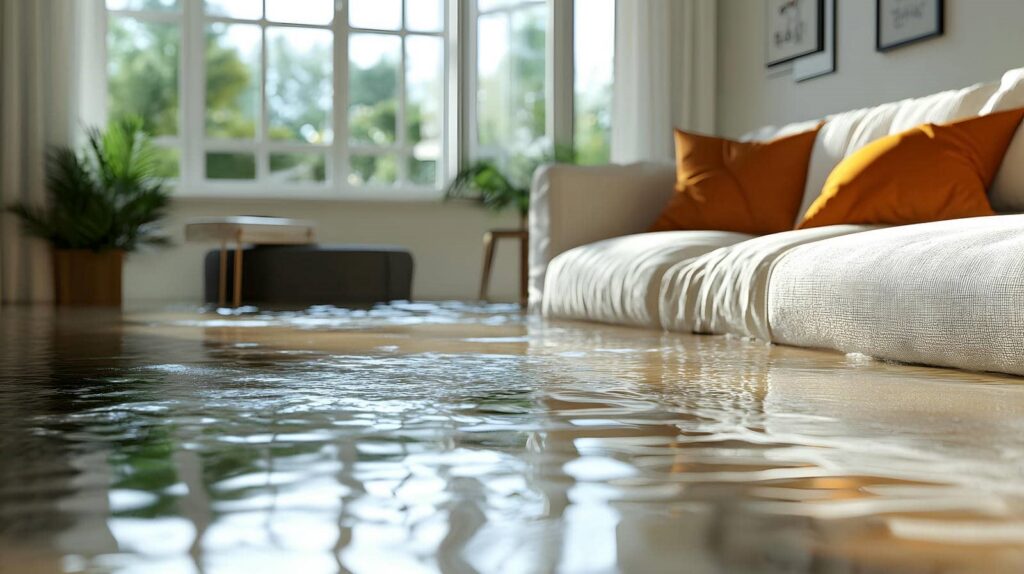
Imagine walking into your home after a heavy storm, only to find water pooling like an unwelcome guest in your living room. It’s a stark reminder of how quickly things can change. Recognizing the signs of water damage is essential, as is knowing how to respond effectively. With the right strategies, you can mitigate the impact and protect your property. But what steps should you take first, and how can you ensure the best outcome?
Key Takeaways
- Identify signs of water damage early, such as dampness, stains, and musty odors, to mitigate further issues.
- Respond immediately by assessing the situation, stopping leaks, and documenting damage for insurance claims.
- Utilize proper drying techniques, including dehumidifiers and air movers, to effectively remove moisture.
- Seek professional restoration services for expertise, advanced equipment, and safety protocols in damage recovery.
- Research restoration companies through customer reviews and ratings to ensure reliability and quality service.
Top Signs You Need Water Damage Restoration Services
When you notice unexplained dampness in your home, it’s vital to act quickly, as this could signal the need for professional water damage restoration services.
Early warning signs include water stains on ceilings or walls, musty odors, and warped flooring. These indicators often reflect underlying issues that can escalate if ignored.
Homeowner awareness is important; regularly inspecting your property can help you catch problems before they worsen. Pay attention to your home’s environment, as excessive humidity or condensation can also suggest water damage.
By recognizing these signs early, you’ll protect your investment and ensure your home remains a safe, welcoming space for you and your loved ones.
Trust your instincts—acting promptly can save you significant stress and cost.
Understanding the Types of Water Damage in Charlotte
You’ll encounter various sources, from burst pipes to flooding, each impacting your property differently.
Recognizing these distinctions helps you take swift action to minimize damage and protect your home.
Common Water Damage Types
Have you ever considered how diverse water damage can be? In Charlotte, you might face various types, each requiring specific attention.
Flood damage often occurs during heavy rains, overwhelming drainage systems. Pipe leaks can lead to unseen structural damage, while storm damage might bring debris and excessive water into your home.
Appliance failures, like dishwashers or washing machines, can create sudden, localized chaos. Sewage backups pose serious health risks and often require immediate intervention.
Additionally, foundation issues may stem from prolonged exposure to moisture, affecting your home’s stability. Humidity problems can also arise, promoting mold growth.
Understanding these common types is essential for effective restoration and ensuring your home remains a safe, welcoming space.
Sources Of Water Damage
In Charlotte, several sources can lead to water damage, each with unique characteristics and implications.
Leaky pipes often go unnoticed, slowly causing structural issues over time.
Flooded basements can result from heavy rainfall, especially during storm season, leaving you feeling overwhelmed.
Appliance failure, like a malfunctioning washing machine, can quickly turn a small issue into a significant problem.
Additionally, burst hoses can create unexpected flooding, damaging your belongings.
Finally, sewage backups pose serious health risks and require immediate attention.
Understanding these sources is essential for prevention and timely intervention.
Impact On Properties
Water damage can severely impact properties in Charlotte, leading to a range of issues that vary in severity depending on the source and duration of exposure.
When water infiltrates your home, it compromises your property’s structural integrity, potentially weakening beams and foundations. Mold growth can also ensue, posing health risks and further damaging materials.
As these problems escalate, your property value may plummet, affecting not just your investment but your peace of mind. Understanding these impacts empowers you to take swift action, ensuring your home remains safe and sound.
Essential Steps for Immediate Water Damage Response
When faced with water damage, acting quickly can mean the difference between minor repairs and extensive restoration.
First, ensure your safety by turning off the electricity and wearing protective gear. Assess the situation to identify the source of the water. If it’s safe, stop the leak to prevent further damage.
Next, prioritize emergency preparedness by documenting the damage with photos for insurance claims. Remove any valuables and important documents from the affected area.
Remember, water safety is vital; avoid wading in standing water to prevent electric shock or contamination.
Finally, contact a professional restoration service to guide you through the next steps, helping you regain your home while fostering a sense of community and support during this challenging time.
How to Dry Out Your Home After Water Damage
After experiencing water damage, your first step is to assess how extensive the damage really is; this will guide your drying process.
Once you understand the scope, it’s essential to utilize the right drying equipment, like dehumidifiers and fans, to effectively remove moisture.
Acting quickly will help prevent mold growth and protect your home’s structure.
Assess Water Damage Extent
Determining the extent of water damage is essential before you can effectively dry out your home.
Start with a thorough damage assessment; look for visible signs like discoloration, warping, or mold. Use moisture detection tools, such as moisture meters, to identify hidden damp areas in walls and floors.
Pay special attention to corners and behind furniture, where water often accumulates unnoticed. As you assess, remember that even small leaks can lead to significant issues if not addressed promptly.
Document your findings, as this can help in discussions with insurance. By understanding the full scope of the damage, you’re better equipped to restore your home and create a safe, welcoming environment for yourself and your loved ones.
Utilize Proper Drying Equipment
Effective water damage restoration hinges on utilizing the right drying equipment, which can greatly speed up the recovery process. A combination of dehumidifier usage and moisture meters is essential for efficient drying. Dehumidifiers help remove excess moisture from the air, while moisture meters allow you to monitor humidity levels in your walls and floors, ensuring no hidden dampness remains.
Here’s a quick reference table to guide you:
| Equipment | Purpose | Key Benefit |
|---|---|---|
| Dehumidifier | Removes moisture | Speeds up drying process |
| Moisture Meter | Measures moisture levels | Prevents hidden damage |
| Air Mover | Circulates air | Enhances evaporation |
| Infrared Camera | Detects hidden moisture | Identifies problem areas |
| Water Pump | Extracts standing water | Reduces total water damage |
Professional Equipment for Water Damage Restoration
When dealing with water damage, having the right professional equipment can make all the difference in restoring your space efficiently and effectively.
Essential tools like high-powered water extraction units enable you to remove standing water quickly, reducing the risk of further damage.
Moisture meters are critical as well; they help you assess hidden dampness in walls and floors, ensuring no moisture lingers to cause future issues.
Using these tools speeds up the restoration process and gives you peace of mind, knowing your home is safe and sound.
When you choose professionals equipped with the best technology, you’re investing in a thorough solution that fosters a sense of belonging in your revitalized space.
Preventing Mold After Water Damage Restoration
To prevent mold growth after water damage restoration, it’s essential to act quickly and implement effective drying techniques.
Start by removing wet materials and using fans and dehumidifiers to enhance airflow. This speeds up drying and helps in applying mold prevention techniques.
Keep indoor humidity below 60% by regularly monitoring with a hygrometer. Seal any leaks in roofs, walls, or pipes to eliminate sources of moisture.
Consider using anti-fungal sprays in areas prone to dampness.
Remember, you’re not alone in this process; reaching out to professionals can provide additional support.
Choosing the Right Water Damage Restoration Company in Charlotte
How do you find the right water damage restoration company in Charlotte? Start by researching customer reviews; they can reveal a lot about a company’s reliability and competency. Look for those who offer service guarantees, ensuring you’re covered if things don’t go as planned.
Here’s a simple guide to help you choose:
| Criteria | Importance |
|---|---|
| Customer Reviews | Trustworthiness |
| Service Guarantees | Peace of Mind |
| Experience | Technical Proficiency |
| Response Time | Urgency & Reliability |
| Certification | Professional Standards |
Choosing wisely can help you feel secure during a stressful time. Your home deserves the best care, and you’re not alone in this process.
Frequently Asked Questions
How Much Does Water Damage Restoration Typically Cost in Charlotte?
Water damage restoration in Charlotte typically costs between $1,500 and $5,000, depending on the extent. Using advanced water mitigation techniques and specialized restoration equipment types can greatly impact both the cost and effectiveness of recovery.
Will My Insurance Cover Water Damage Restoration Services?
Your insurance might cover water damage restoration, but it depends on your policy details. Maneuvering the claims process can feel like crossing a stormy sea—stay patient, gather documentation, and your journey could lead to relief.
How Long Does the Restoration Process Usually Take?
The restoration process usually takes three to seven days, depending on damage severity. Quick emergency response and thorough mold prevention measures can expedite this, ensuring your home feels safe and comfortable again as soon as possible.
Can I Stay in My Home During the Restoration?
You can stay in your home during restoration, but prioritize safety precautions. Depending on the restoration timeline, some areas may be unsafe. Communicate with your restoration team to ensure a safe, comfortable environment for you and your family.
What Are the Long-Term Effects of Untreated Water Damage?
Untreated water damage’s like a silent predator, slowly eroding your home’s structural integrity. Mold growth thrives in dampness, compromising air quality and health, while hidden damage can lead to costly repairs and emotional distress.
Summary
Water damage can feel overwhelming, but with the right strategies, you can turn despair into hope. While the threat of mold and structural issues looms, acting quickly and knowing your options empowers you to protect your property. Balancing DIY efforts with professional help ensures a thorough restoration process. Remember, choosing a reputable company can make all the difference between a stressful ordeal and a seamless recovery. Don’t let water damage define your home—take control and restore your peace of mind.