
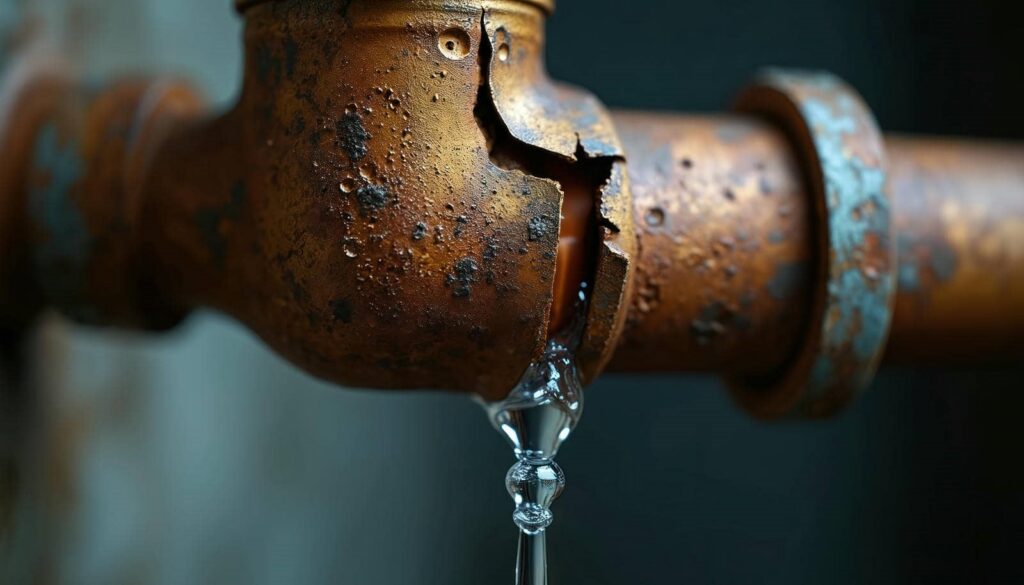
When faced with such a burst pipe cleanup situation, knowing how to respond quickly and effectively is vital. From immediate cleanup steps to maneuvering through the claims process, understanding the nuances can make a significant difference in your recovery. Let’s explore the essential actions you should take to mitigate damage and ensure a smooth claims experience.
Key Takeaways
- Immediately turn off the main water supply to prevent further flooding and damage.
- Remove standing water and thoroughly dry the area using fans and dehumidifiers.
- Document all damage with photos and keep records of repairs for insurance claims.
- Report the incident to your insurance provider promptly and provide detailed documentation.
- Avoid common mistakes like delaying notification and failing to capture all damages thoroughly.
Why Burst Pipes Matter: Immediate Risks and Solutions
When a pipe bursts, the immediate risks can escalate quickly, making it essential to act fast. You face potential pipe damage that can lead to expensive repairs, mold growth, and structural issues if left unaddressed.
Water can seep into walls, floors, and personal belongings, causing chaos in your living space. An effective emergency response is vital; it minimizes damage and protects your health and safety.
By shutting off the water supply and evaluating the situation, you can prevent further complications. Understanding the urgency of these risks empowers you to take decisive action, ensuring that your home remains a safe and comfortable environment.
Prioritizing swift responses can greatly reduce the impact of a burst pipe incident.
Steps to Safely Manage Burst Pipe Cleanup
Five essential steps can help you effectively manage the cleanup after a burst pipe. First, prioritize cleanup safety by turning off the water and electricity to prevent further damage. Next, inspect the affected pipes to identify the source of the leak. Third, remove standing water using pumps or wet vacs, ensuring you wear protective gear. Fourth, dry out the area thoroughly with fans and dehumidifiers to prevent mold growth. Finally, document the process for insurance purposes.
| Step | Action | Tools Needed |
|---|---|---|
| 1. Water Shut-off | Turn off main water supply | Wrench |
| 2. Pipe Inspection | Check for leaks | Flashlight |
| 3. Water Removal | Extract standing water | Wet vac, pumps |
| 4. Drying | Use fans and dehumidifiers | Fans, dehumidifier |
| 5. Documentation | Record damage and progress | Camera, notebook |
Documenting Damage for Claims
To ensure a smooth claims process, documenting damage from a burst pipe is essential. Start by conducting a thorough damage assessment. Identify all affected areas, including walls, flooring, and personal belongings.
Capture the extent of the damage with photo documentation; clear, well-lit images can support your claim effectively. Take close-ups of specific issues, like mold or warped materials, and wider shots to show overall damage.
Keep records of any repairs or temporary fixes you make. This thorough approach strengthens your claim and helps you stay organized throughout the process.
Essential Details for Your Insurance Claim
When filing an insurance claim after a burst pipe, it’s essential to document damage thoroughly to support your case.
Gather all relevant evidence, such as photos and repair estimates, to substantiate your claim.
Additionally, make sure you understand your policy’s coverage limits to avoid unexpected gaps in compensation.
Document Damage Thoroughly
Although dealing with the aftermath of a burst pipe can be overwhelming, documenting the damage thoroughly is essential for your insurance claim.
Start by taking clear photos of all affected areas, focusing on visible water damage and any structural issues.
Make detailed notes about the extent of the damage, including measurements and descriptions of damaged materials, like flooring and drywall.
If you notice mold or mildew, document those areas too, as they can complicate the restoration process.
Keep records of any repairs or mitigation efforts you undertake, along with dates and costs.
This thorough documentation supports your claim and shows your proactive approach, which will help build trust with your insurance provider.
Gather Supporting Evidence
Gathering supporting evidence is essential for strengthening your insurance claim after a burst pipe. Start with thorough evidence collection to substantiate your damages. Take clear, detailed photos of affected areas, including any personal belongings damaged by water. This photo documentation will serve as a vital component of your claim.
| Evidence Type | Description |
|---|---|
| Photos | Capture before and after images |
| Receipts | Document costs for repairs |
| Written Statements | Record accounts from witnesses |
Understand Policy Coverage Limits
Understanding your policy coverage limits is essential, especially after a burst pipe damages your home. Start by reviewing your homeowners’ insurance policy carefully. Identify the coverage limits for water damage; this is the maximum amount your insurer will pay for repairs.
Pay close attention to policy exclusions, which outline situations that mightn’t be covered, like neglect or maintenance issues. Knowing these details helps you avoid surprises when filing a claim.
If your damages exceed your coverage limits, you might’ve to cover the difference out of pocket. Clear communication with your insurer can also clarify any uncertainties regarding your policy, ensuring you’re well-prepared to handle the aftermath of a burst pipe effectively.
Avoid These Common Claims Mistakes
When dealing with a burst pipe, overlooking vital steps can jeopardize your insurance claim.
You need to document the damage thoroughly and notify your insurer promptly to ensure a smooth recovery process.
Failing to do so might lead to delays or even denial of your claim, so it’s imperative to stay organized and proactive.
Document Damage Thoroughly
Thoroughly documenting damage after a burst pipe is essential for a successful insurance claim, as it directly affects your ability to receive the compensation you need.
Start with a damage assessment, noting all affected areas and items. Be meticulous—list everything, from structural damage to personal belongings.
Photographic documentation is vital; take clear, detailed photos from multiple angles. This visual evidence supports your claim and shows the extent of the damage.
Avoid common mistakes, like overlooking small damages or failing to capture the overall scene. Organizing your documentation in a logical order makes it easier for your insurer to process your claim.
Notify Insurer Promptly
Promptly notifying your insurer about the burst pipe is essential, as delays can complicate your claim process. When you make an insurance notification, you set the wheels in motion for repairs and recovery.
Many people underestimate the importance of quick communication; however, delays can lead to disputes or even denials.
Be clear and concise in your notification, providing details about the damage and any immediate actions you’ve taken. This proactive approach helps you establish trust with your insurer and streamlines the claims process.
What Your Insurance Adjuster Wants You to Know?
Managing the aftermath of a burst pipe can be overwhelming, but understanding what your insurance adjuster wants from you can streamline the process. Adjusters seek specific information to expedite the claims process, so being prepared is essential.
Here’s what you should focus on:
| Information Needed | Purpose |
|---|---|
| Detailed damage documentation | To assess claim validity |
| Photos of the affected area | Visual proof of loss |
| Repair estimates | To determine financial impact |
| List of damaged items | For accurate reimbursement |
| Timeline of events | To understand incident sequence |
How to Prevent Burst Pipes in Your Home
While it may seem like a minor issue, taking proactive steps to prevent burst pipes can save you significant time and money in the long run.
Here are three effective strategies to contemplate:
- Pipe Insulation: Verify that all exposed pipes, especially those in unheated areas, are properly insulated. This helps maintain a consistent temperature and reduces the risk of freezing.
- Seasonal Maintenance: Regularly check your plumbing system during seasonal changes. Look for signs of wear or leaks, and address them promptly to avoid complications.
- Temperature Management: Keep your home heated during cold spells. Letting faucets drip slightly can also relieve pressure in the pipes, reducing the risk of bursting.
Frequently Asked Questions
What Tools Do I Need for Burst Pipe Cleanup?
You’ll need water extraction tools, drying equipment, cleaning supplies, and safety gear. Make sure to have a wet/dry vacuum, fans, dehumidifiers, gloves, masks, and mop to effectively tackle the cleanup process.
How Long Does It Take to Dry Out Water Damage?
It usually takes 3 to 5 days to dry out water damage, depending on drying techniques and water extraction efficiency. Proper ventilation and dehumidifiers can greatly speed up the process, ensuring your space returns to normal.
Can I Handle Cleanup Before Insurance Arrives?
Absolutely, you can start cleanup before your insurance arrives. Just remember, prioritize safety precautions and follow emergency procedures. It’s essential to prevent further damage while ensuring you’re safe in the process. Your home deserves it.
Will My Insurance Cover Mold Damage From a Burst Pipe?
Your insurance might cover mold damage from a burst pipe, but it depends on your specific insurance policies. Confirm you document everything for mold prevention and check your coverage details to avoid surprises later.
What Are the Signs of Hidden Water Damage?
Look for water stains on ceilings or walls, musty odors, and use moisture detection tools. These signs can indicate hidden water damage lurking beneath surfaces.
Summary
In the aftermath of a burst pipe, prompt actions pave the path to peace of mind. By tackling the cleanup, meticulously managing your claims, and steering clear of common mistakes, you set yourself up for success. Remember, staying organized and communicating clearly with your insurer can transform a stressful situation into a manageable one. Preventing future pipe problems is pivotal, ensuring your home remains a safe sanctuary. Prioritize prevention to protect your property and peace of mind.