
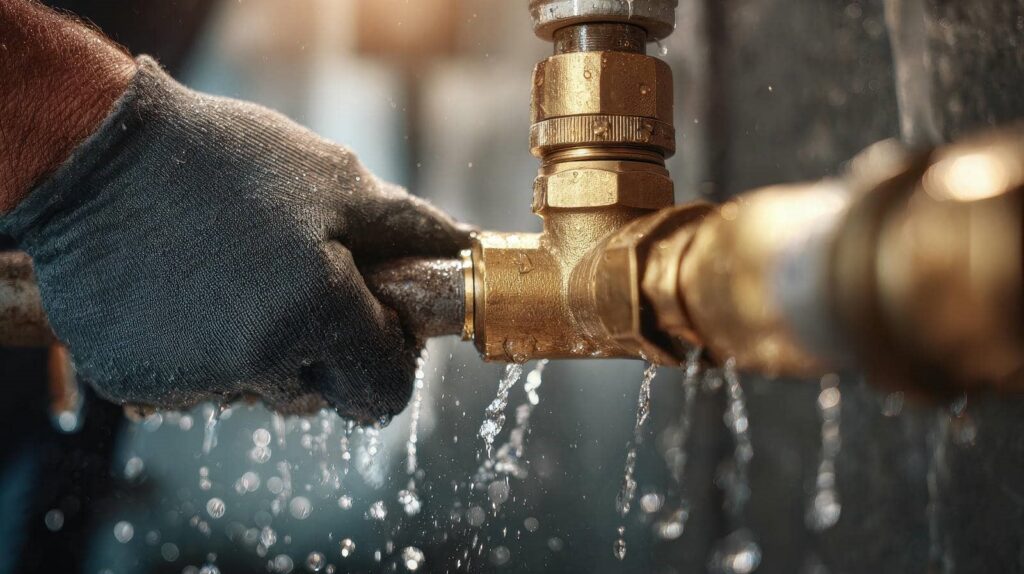
A burst pipe can turn your home into a disaster zone in minutes, yet a well-executed cleanup can restore order swiftly. You need to act fast, prioritizing safety and evaluating the damage. Knowing the right techniques can make all the difference. Are you prepared to tackle the chaos and minimize future risks? Understanding the essential steps is vital for effective flood cleanup.
Key Takeaways
- Shut off the water supply immediately to prevent further flooding and assess for structural damage and electrical hazards.
- Use appropriate water extraction equipment, such as submersible pumps and wet/dry vacuums, to remove standing water efficiently.
- Document all damage with photos for insurance claims and remove damaged materials following safety regulations.
- Watch for signs of mold, acting quickly to address any dampness or musty odors within 24-48 hours.
- Insulate pipes annually and maintain a thermostat above freezing to prevent future incidents and promote community preparedness.
Safety Precautions Before Cleanup Begins
Before you plunge into cleanup, confirm your safety first. Equip yourself with personal protective gear, including gloves, boots, and masks. You’re part of a community that values safety, so don’t skip this step.
Check your emergency kit; verify it’s stocked with essentials like a flashlight, first-aid supplies, and water. Inspect your surroundings for hazards—electrical issues, unstable surfaces, or contaminated water.
If the situation feels overwhelming, reach out to neighbors or professionals; you’re not alone in this. Remember, prioritizing safety protects you and those around you.
How to Handle a Burst Pipe: Immediate Steps to Take
Shut off the water supply immediately to prevent further flooding and damage. Locate the main valve and turn it clockwise.
Next, assess the situation—check for structural damage and any electrical hazards. Keep your emergency contact information handy, as you may need to call a plumber or restoration service.
Document the damage with photos for your insurance coverage; this helps streamline your claim process later. If it’s safe, move furniture and valuables to a dry area.
Avoid using appliances until you confirm they’re safe. Remember, acting quickly can mitigate further damage, making you feel more in control during this stressful time.
Don’t hesitate to reach out for help; you’re not alone in this.
Step-by-Step Guide to Water Extraction
To effectively extract water after a burst pipe, you must first assess the affected area for damage and hazards.
Next, choose the right equipment to ensure efficient removal.
Finally, make certain you follow proper disposal methods to prevent further issues.
Assessing The Affected Area
As you begin evaluating the affected area after a burst pipe, it’s essential to act quickly to minimize damage.
Start with a thorough damage assessment; identify wet materials, structural issues, and potential hazards. Check for standing water and damp spots, as these can lead to mold growth.
Next, perform a moisture evaluation using a moisture meter to pinpoint hidden moisture in walls and floors. This step is vital for preventing long-term damage.
Document your findings, noting the extent of the damage and areas requiring urgent attention.
Choosing The Right Equipment
After evaluating the affected area, it’s time to gather the right equipment for effective water extraction. Start by identifying essential equipment types like submersible pumps and wet/dry vacuums. Consider rental options if purchasing isn’t feasible.
Pay attention to efficiency ratings to ensure you’re choosing high-performing tools. Don’t forget essential accessories, such as hoses and extension cords, which can greatly impact your workflow.
When selecting brands, look for trusted names known for reliability. Keep maintenance tips handy—clean filters and check seals to extend equipment life.
Also, weigh cost considerations against your budget to assure you’re making a wise investment. Follow usage guidelines closely to maximize your equipment’s effectiveness and enhance your cleanup efforts.
Ensuring Proper Disposal Methods
When dealing with a burst pipe, proper disposal methods are critical to prevent further damage and health risks.
Start by evaluating the water’s contamination level. If it’s clean, you can safely dispose of it down the drain, but if it’s contaminated, follow local environmental regulations.
Use designated containers for hazardous waste and make sure you label them clearly. Contact your local waste management facility for guidance on disposal options.
Remove any damaged materials, like drywall or insulation, and dispose of them according to regulations. Document everything for insurance purposes.
By following these steps, you’ll protect your home and community while maintaining compliance with waste management standards.
How to Dry Areas to Prevent Mold Growth
To prevent mold growth, you need to dry affected areas quickly and efficiently.
Use dehumidifiers to reduce moisture levels and increase air circulation to promote faster drying.
Act now—every hour counts in stopping mold from taking hold.
Use Dehumidifiers Effectively
Using dehumidifiers effectively is essential for drying out areas affected by a burst pipe and preventing mold growth.
Start by positioning your dehumidifiers strategically; place them in the most water-logged areas for maximum impact. Make sure they’re elevated off the ground to enhance airflow.
Next, actively monitor humidity levels. Aim for a reading below 60% to deter mold. Regularly check your dehumidifier’s settings and adjust them based on real-time humidity data.
If you notice persistent dampness, increase the dehumidifier’s capacity or add extra units.
Increase Air Circulation
Enhance air circulation immediately to dry out areas affected by a burst pipe and prevent mold growth. Use effective airflow techniques to maximize drying.
Open windows and doors to create cross-ventilation, allowing fresh air to flow in while pushing damp air out. Utilize fans strategically; place them in corners to direct airflow across wet surfaces. If possible, employ industrial-grade fans for rapid drying.
Incorporate ventilation strategies by using exhaust fans in bathrooms and kitchens to remove moisture. Keep interior doors open to promote air movement throughout the space.
Monitor humidity levels regularly with a hygrometer; aim for 30-60% humidity. Implementing these methods will help you safeguard your home from mold and ensure a healthy environment for you and your family.
Signs You Need Professional Help for Water Damage
How can you tell if your home needs professional help after water damage? Watch for key water damage symptoms like persistent dampness, discoloration on walls, or musty odors.
If you notice any of these signs, it’s vital to act quickly. Mold can develop in just 24-48 hours, jeopardizing your health and property.
Additionally, if your home’s structure feels compromised or if your floors are buckling, don’t wait. Professional assistance ensures thorough cleanup and may also facilitate your insurance claims process, maximizing your recovery.
Preventing Mold Growth After Water Damage
Once water damage occurs, swift action is essential to prevent mold growth. First, make sure you remove standing water immediately; every minute counts.
Dry out affected areas using fans and dehumidifiers to maintain effective moisture control. Aim for a humidity level below 60% to inhibit mold development.
Inspect hidden spaces like behind walls and under floors, as mold can thrive in these areas. Use mold-resistant products during repairs to bolster mold prevention.
Regularly check for leaks and address any moisture issues promptly.
Remember, your home should feel safe and welcoming. By taking these steps, you’ll protect your property and create a healthier environment for you and your loved ones.
Don’t delay—act now to safeguard your space.
Essential Tools for Effective Flood Cleanup
When facing flood cleanup, having the right tools is essential to restore your space efficiently. Start with a heavy-duty wet/dry vacuum to remove standing water quickly. This tool drastically improves your cleanup efficiency and minimizes flood damage.
Next, grab dehumidifiers and fans to dry out walls and floors, preventing mold growth. For debris removal, a sturdy shovel and a mop are vital. Don’t forget personal protective equipment like gloves and boots to keep you safe.
A moisture meter helps you detect hidden water, ensuring thorough cleanup. Finally, consider an air scrubber to filter out contaminants.
With these tools at your side, you’re better equipped to tackle flood damage head-on and reclaim your space.
Tips for Preventing Future Burst Pipe Incidents
After tackling immediate flood damage with the right tools, focus on preventing future burst pipe incidents. Implementing effective strategies can save you from costly repairs and stress.
| Action | Description | Frequency |
|---|---|---|
| Pipe Insulation | Insulate pipes in unheated areas | Annually |
| Regular Maintenance | Schedule inspections and repairs | Biannually |
| Temperature Regulation | Keep thermostat above freezing | Year-round |
An emergency plan is essential. Know where your shut-off valve is located and educate your family. By staying proactive with these measures, you create a safer environment and foster a sense of community. Don’t wait for disaster to strike—take action now to protect your home and loved ones!
Frequently Asked Questions
What Insurance Coverage Is Needed for Burst Pipe Damage?
You need homeowners insurance that covers water damage and specifically includes burst pipe incidents. Review your policy for coverage limits and exclusions, so you’re prepared for potential insurance claims when disaster strikes.
Can I Use My Home Appliances After a Flood?
After a flood, don’t rush to use your appliances. Floodwaters can create electrical hazards, compromising safety. Like a shipwreck survivor learning to navigate, verify everything’s dry and inspected before powering up your devices.
How Long Does It Take for Water Damage to Appear?
Water damage can appear within hours, with the visibility timeline varying by materials. Use moisture detection methods like meters to assess hidden damage early, ensuring your home stays safe and preventing further issues down the line.
What Should I Do With Soaked Furniture?
Your soaked furniture’s like a sponge, ready to absorb more damage. Start drying it immediately using fans and dehumidifiers. For effective furniture restoration, use proper drying techniques to prevent mold and maintain its integrity.
Are There Any Health Risks After Flood Cleanup?
Yes, there are health risks after flood cleanup. You need to prioritize mold prevention, as damp areas can lead to respiratory issues. Act quickly to dry out spaces and remove contaminated materials to protect your health.
Final Thoughts
When dealing with a burst pipe flood, acting swiftly is essential. Picture the water pooling around your feet, a small lake forming in your home. By taking immediate action—shutting off the supply, extracting water, and drying the space—you can save your property from further damage. Stay vigilant for mold and consider professional help if needed. Equip yourself with knowledge and tools, turning potential disaster into a manageable challenge, safeguarding your sanctuary from future floods.