
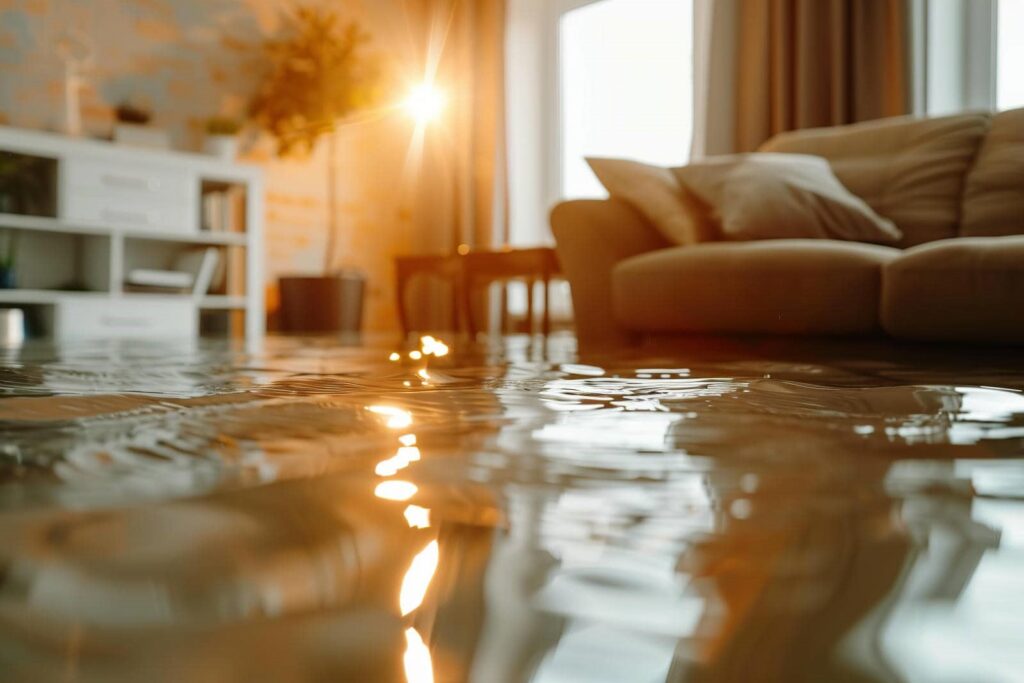
Many homeowners underestimate the importance of early detection in water damage evaluations. Identifying issues like moisture intrusion can save you from costly repairs down the line. To effectively pinpoint these problems, you’ll need a range of specialized tools at your disposal. From moisture meters to air quality monitors, each tool plays an essential role in evaluating the situation. Understanding how to use them can make a significant difference in your home’s safety and integrity.
Key Takeaways
- Use moisture meters, like pin and pinless types, for accurate assessment of water levels in various materials.
- Monitor humidity levels with hygrometers to prevent mold growth and maintain indoor air quality.
- Employ thermal imaging and leak detection tools to identify hidden moisture sources without invasive methods.
- Utilize submersible pumps and wet/dry vacuums for efficient water extraction during cleanup processes.
- Invest in air quality monitors to detect pollutants and ensure a safe environment post-water damage.
How to Identify Water Damage Early?
How can you spot water damage before it escalates? Identifying early warning signs is essential to preventing costly repairs.
Start by checking for water stains on ceilings and walls; these often indicate leaks. Musty odors can signal hidden moisture, while peeling paint or wallpaper suggests potential damage beneath the surface.
Inspect your plumbing for common causes like leaky pipes or faulty fixtures. Don’t overlook your roof; missing shingles can lead to significant leaks.
Additionally, keep an eye on your foundation for cracks or pooling water. If you notice any of these signs, act quickly to mitigate further damage.
Essential Moisture Meters for Assessing Water Damage
When evaluating water damage, choosing the right moisture meter is essential. You’ll find various types available, each with key features that can enhance your evaluation process.
Understanding proper usage techniques will ensure you get accurate readings and effectively address any issues.
Types Of Moisture Meters
Moisture meters are essential tools for accurately evaluating water damage, and there are several types to consider. The primary moisture meter types include pin and pinless meters.
Pin meters use metal probes to penetrate materials, providing precise readings of moisture levels within the substance. This method is great for detecting moisture in wood and drywall.
On the other hand, digital moisture meters, particularly pinless models, utilize electromagnetic technology to measure moisture without direct contact. They’re ideal for evaluating larger areas quickly and non-destructively.
Each type has its advantages, so choosing the right one depends on your specific needs and the materials you’re dealing with. Understanding these differences can save you time and ensure accurate evaluations.
Key Features To Consider
Selecting the right moisture meter involves considering several key features that can enhance your assessment of water damage.
Effective moisture detection is vital for accurate damage assessment, so keep these features in mind:
Measurement Range: Look for a meter that covers various materials, from wood to drywall, ensuring it suits your specific needs.
Accuracy: Choose a model with high precision to avoid misleading readings that could affect your evaluation.
User Interface: A clear display and intuitive controls can make it easier to interpret results quickly, especially in urgent situations.
Proper Usage Techniques
Understanding proper usage techniques for moisture meters is crucial for accurate water damage evaluation. Start by calibrating your meter according to the manufacturer’s instructions to ensure precise readings.
When evaluating, hold the meter perpendicular to the surface to get the best results. Use the probe method for deeper material penetration, while the non-invasive method is ideal for surface checks.
Regularly check your meter’s battery and perform maintenance to maintain reliability. Employing these proper techniques will enhance your evaluation methods, enabling you to identify hidden moisture effectively.
Always document your findings, as this will help track changes over time and aid in remediation decisions. With practice, you’ll gain confidence in using moisture meters for thorough water damage evaluations.
Using Infrared Cameras to Detect Hidden Water Damage
While traditional methods of detecting water damage often rely on visible signs, using infrared cameras can reveal hidden issues that may go unnoticed.
Infrared technology and thermal imaging allow you to identify temperature variations, indicating moisture presence behind walls or ceilings. This proactive approach can save you from costly repairs down the line.
Here are three key benefits of using infrared cameras:
- Precision: Detects even the smallest leaks before they escalate.
- Non-invasive: Allows you to assess areas without causing damage to surfaces.
- Time-efficient: Quickly scans large areas, making assessments faster.
Why Hygrometers Matter for Measuring Humidity
When evaluating water damage, controlling humidity is essential to prevent mold growth and structural issues.
Hygrometers come in various types, each designed to measure moisture levels accurately.
Understanding ideal humidity levels helps you maintain a healthy environment and protect your home.
Importance Of Humidity Control
Humidity control is essential for maintaining a healthy indoor environment, as excessive moisture can lead to mold growth and structural damage.
Implementing effective humidity control strategies is vital for your home. Here are three key moisture management techniques to take into account:
Use Hygrometers: Regularly monitor humidity levels to ensure they stay within the ideal range of 30-60%.
Ventilation: Improve airflow in damp areas like bathrooms and kitchens to reduce moisture buildup.
Dehumidifiers: Invest in dehumidifiers to effectively remove excess humidity, especially in basements or during humid months.
Types Of Hygrometers Available
Understanding the various types of hygrometers is vital for accurately measuring humidity levels in your home. There are primarily three types: analog, digital, and portable hygrometers.
Analog hygrometers use a dial and needle, requiring regular hygrometer calibration to ensure accuracy. Digital hygrometers offer precise readings and often include additional features like temperature display.
Portable hygrometers are particularly useful for evaluating humidity in different areas of your home, making them ideal for quick assessments. Each type serves distinct purposes, but all contribute to maintaining a healthy living environment.
Selecting the right hygrometer helps you effectively monitor humidity levels, which is essential for preventing water damage and making sure your home remains safe and comfortable.
Ideal Humidity Levels Defined
Maintaining ideal humidity levels in your home is essential for both comfort and health. A hygrometer helps you monitor these levels, ensuring you avoid negative humidity effects. The ideal indoor humidity range is typically between 30% and 60%.
Here’s why you should pay attention:
Mold Growth: High humidity fosters mold, which can lead to health issues.
Allergen Control: Proper humidity minimizes dust mites and allergens, improving air quality.
Structural Integrity: Balanced humidity prevents wood warping and paint peeling, safeguarding your home.
Utilize Thermal Imaging for Comprehensive Inspections
Thermal imaging is an invaluable tool for identifying water damage during thorough inspections. This advanced thermal camera technology allows you to detect temperature variations in building materials, indicating hidden moisture.
By utilizing thermal imaging benefits, you can pinpoint problem areas that might otherwise go unnoticed, such as behind walls or under floors. This non-invasive method saves you time and minimizes disruption to your home.
With real-time imaging, you can assess the extent of the damage quickly and accurately. Armed with this information, you’ll be better equipped to make informed decisions about repairs and remediation, ensuring your home remains safe and dry.
Embrace thermal imaging for a more thorough approach to water damage assessment.
Leak Detection Equipment to Find the Source of Water
When water damage occurs, pinpointing the source is vital for effective remediation.
Using the right leak detection equipment can save you time and money. Here are three key tools to take into account:
Pipe Cameras: These allow you to visually inspect the insides of pipes, revealing leaks and blockages without invasive methods.
Moisture Meters: These devices measure moisture levels in walls and floors, helping you identify hidden leaks.
Drone Inspections: Drones equipped with high-resolution cameras can access hard-to-reach areas, providing a thorough view of your property’s exterior for potential leaks.
Investing in these tools aids in quick detection and ensures you address the problem effectively, restoring your home’s integrity.
Air Quality Monitors for Post-Water Damage Safety
After water damage, maintaining air quality is essential for your safety and health.
Various types of air quality monitors are available, each with unique features that can help you assess indoor air conditions effectively.
When choosing a monitor, consider key specifications like sensitivity, detection range, and ease of use to ensure reliable readings.
Importance of Air Quality
Although water damage can often lead to structural concerns, the impact on indoor air quality is equally critical. When water infiltrates your home, it creates an environment ripe for mold growth and the proliferation of airborne contaminants.
To ensure your living space remains safe, consider these key factors:
Monitoring Air Quality: Regularly check for pollutants that may affect your health.
Controlling Humidity Levels: Keep humidity below 60% to hinder mold growth.
Ventilation: Ensure proper airflow to disperse airborne contaminants.
Addressing air quality post-water damage isn’t just about comfort; it’s about safeguarding your well-being.
Types of Monitors Available
Evaluating air quality in the aftermath of water damage requires reliable monitoring tools. Various types of air quality monitors are essential for ensuring safety.
First, you have particulate matter monitors, which detect harmful particles that could arise from mold growth. Next, gas detectors measure volatile organic compounds (VOCs) that may be released during water damage events.
Additionally, humidity sensors play an important role in moisture assessment methods, allowing you to track moisture levels effectively. Some advanced devices integrate water detection technologies, providing real-time alerts for potential hazards.
Key Features to Consider
When selecting air quality monitors for post-water damage safety, you should prioritize several key features to ensure effective evaluation and response.
These monitors play a vital role in protecting your home, especially when dealing with flood insurance claims and restoration services.
Sensor Accuracy: Look for monitors with precise sensors that can detect mold spores, VOCs, and humidity levels.
Real-time Data: Choose models that provide real-time readings and alerts, enabling you to act quickly.
Mobile Connectivity: Opt for monitors that sync with your smartphone, allowing you to monitor air quality remotely.
Top Water Extraction Tools You Need
To effectively tackle water damage, having the right extraction tools is essential. You’ll want to evaluate various water extraction techniques to ensure thorough recovery. Here are some effective pump options that can make a significant difference in your efforts:
| Tool Type | Description | Recommended Use |
|---|---|---|
| Submersible Pumps | Ideal for deep water removal | Basements and flooded areas |
| Portable Extractors | Easy to maneuver for quick jobs | Small spaces and light flooding |
| Truck-Mount Systems | High-capacity for large areas | Commercial and extensive damage |
| Wet/Dry Vacuums | Versatile for various debris | General cleanup tasks |
Choosing the right tools enhances your efficiency and effectiveness in combatting water damage, ensuring a quicker return to normalcy.
Choosing Dehumidifiers for Effective Water Damage Remediation
After you’ve successfully extracted water, managing humidity levels is crucial for complete recovery. Choosing the right dehumidifier can make a significant difference in your remediation efforts.
Here are three key factors to take into account:
Dehumidifier Capacity: Verify it’s suitable for the size of the affected area.
Energy Efficiency: Look for models that consume less power while delivering high performance.
Drain Options: Opt for continuous drainage features to minimize maintenance.
Also, evaluate noise levels if you’ll be using it in living spaces.
Portability features can aid in moving the unit as needed.
Finally, compare brands for warranty considerations and follow maintenance tips to ensure longevity.
This approach ensures efficient moisture control and better recovery outcomes.
When to Call Water Damage Experts for Assessment?
How can you tell if the water damage in your home requires professional assessment? First, look for clear water damage signs, such as persistent dampness, mold growth, or discoloration on walls and ceilings.
If you notice these issues, don’t hesitate to consult experts. It’s vital to act quickly, as untreated damage can lead to structural problems and health risks.
Consider expert consultation tips: if the damage area exceeds 10 square feet, or if you suspect contaminated water, calling a professional is important.
Additionally, if you’re unsure about the source of the leak or how to mitigate it, reach out for help. Remember, timely assessment can save you from costly repairs and ensure a safe living environment.
Frequently Asked Questions
What Are the Signs of Water Damage in Walls and Ceilings?
You’ll notice signs of water damage in walls and ceilings through mold growth, peeling paint, and soft spots. If you see these issues, it’s essential to address them promptly to prevent further damage.
How Long Does It Take for Water Damage to Become Serious?
Water damage can escalate faster than a wildfire; within 24 to 48 hours, serious damage indicators like mold and structural issues emerge on the water damage timeline. Act quickly to protect your home and health.
Can I Assess Water Damage Myself or Should I Hire a Professional?
You can perform a DIY assessment for minor issues, but a professional evaluation is essential for extensive damage. Professionals have specialized tools and expertise to identify hidden problems that you might overlook. Trust their experience for accurate results.
What Are the Costs Associated With Water Damage Assessments?
Some homeowners face unexpected repair costs after water damage. Your assessment costs might range from $200 to $500, influenced by insurance coverage and complexity, impacting your total repair expenses considerably.
How Can I Prevent Future Water Damage in My Home?
To prevent future water damage, install effective drainage solutions and moisture barriers. Regularly inspect your plumbing and roof, ensure gutters are clear, and address leaks promptly to protect your home from potential issues.
Wrap-Up
Effectively evaluating water damage requires a blend of technology and keen observation. By utilizing moisture meters, infrared cameras, and air quality monitors, you can pinpoint issues early and ensure a safe living environment. Don’t underestimate the importance of dehumidifiers in your recovery process. So, why wait until the damage worsens? Equip yourself with these essential tools and take proactive steps to protect your home from water damage today!