
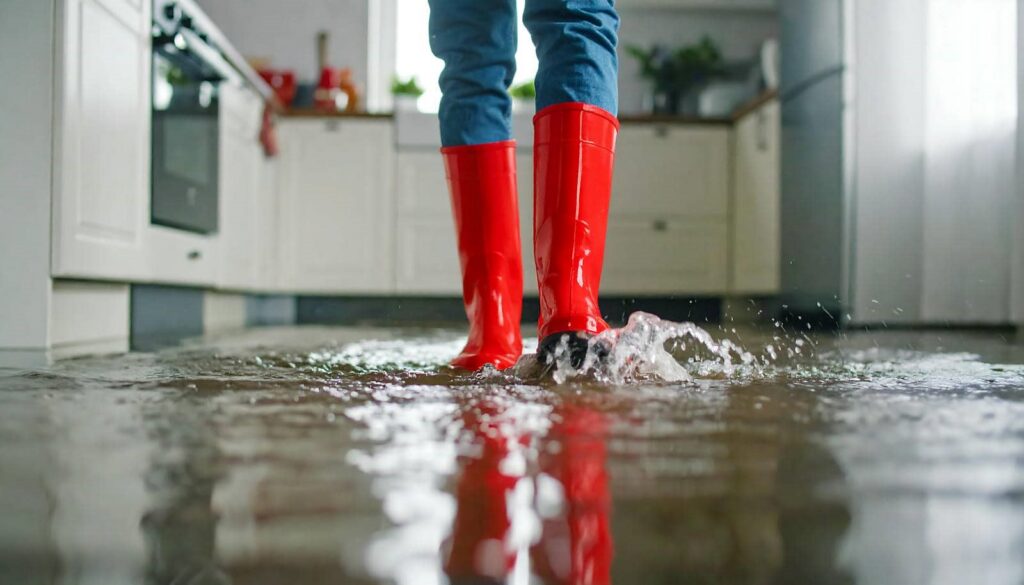
Many people underestimate how quickly mold can develop after water damage, often within 24 to 48 hours. Before you start the flood cleanup process, it’s essential to take specific safety precautions. Knowing the right steps can make a significant difference in the outcome. From effective water removal techniques to sanitizing affected areas, there’s a method to the madness. Let’s explore how you can tackle this challenge effectively and ensure your space returns to normal.
Key Takeaways
- Assess safety before entering the area and wear protective gear like gloves and masks.
- Shut off the water supply and unplug electronics to prevent hazards.
- Use a wet/dry vacuum to remove standing water quickly.
- Employ dehumidifiers and fans to promote drying and reduce moisture levels.
- Document damage with photos for insurance claims and consider professional help if needed.
What to Do Immediately After Water Damage
When water damage strikes, acting quickly can make a significant difference in minimizing destruction.
First, assess the situation and verify it’s safe to enter the affected area. If necessary, shut off the water supply and unplug any electronics.
Next, reach out to your emergency contacts, including a trusted plumber or restoration service, for immediate assistance. Document the damage thoroughly with photos, as this will help you when filing insurance claims.
Remove any standing water using a wet/dry vacuum and begin drying out the area with fans and dehumidifiers.
By taking these steps, you’ll protect your home and set yourself up for a smoother recovery.
Stay Safe: Key Precautions to Follow
While it might be tempting to jump right into cleanup after water damage, prioritizing safety is essential. Before you start, verify you’re prepared and aware of potential hazards.
Here are key precautions to follow:
- Check for Electrical Hazards: Turn off power to affected areas to avoid shocks.
- Wear Protective Gear: Use gloves, boots, and masks to shield yourself from contaminants.
- Assess Structural Damage: Look for signs of compromised walls or floors before entering.
- Have an Emergency Kit Ready: Equip your kit with first aid supplies, flashlights, and non-perishable food for unexpected situations.
Gathering the Right Tools for Cleanup
Before you start cleaning up after a flood, you’ll need the right tools to get the job done efficiently.
Gather essential cleanup equipment like mops, buckets, and a wet/dry vacuum, along with safety gear such as gloves and masks.
Being prepared with these items will help protect you and speed up the recovery process.
Essential Cleanup Equipment
As you prepare for flood cleanup, gathering the right tools is essential for an efficient and safe process. Having the right equipment aids water extraction and plays a vital role in mold prevention.
Here are four key items you should have on hand:
- Wet/Dry Vacuum – Perfect for quick water extraction from floors and carpets.
- Dehumidifier – Helps reduce moisture levels, vital for mold prevention.
- Mops and Buckets – Essential for tackling remaining water and debris effectively.
- Cleaning Supplies – Disinfectants and scrubbing brushes will help sanitize surfaces and prevent mold growth.
Equipping yourself with these tools will make the cleanup process smoother and more manageable, creating a safer environment for everyone involved.
Safety Gear Necessities
Once you’ve gathered the necessary cleanup equipment, it’s time to focus on your safety gear. Protecting yourself during flood cleanup is vital to prevent injuries and health issues. Start by ensuring you have the right protective equipment. Here’s a quick guide:
| Safety Gear | Purpose | Example |
|---|---|---|
| Gloves | Protects hands from debris | Nitrile gloves |
| Boots | Keeps feet dry and safe | Waterproof rubber boots |
| Mask | Filters harmful particles | N95 respirator |
These essentials help you stay safe and comfortable while tackling the cleanup. Don’t underestimate the importance of good safety gear; it’s your first line of defense against potential hazards.
Water Damage Cleanup: Step-by-Step Water Removal
Before you start the cleanup, it’s essential to assess the severity of the water damage.
This helps you determine what equipment you’ll need for effective removal.
With the right tools in hand, you can tackle the cleanup process more efficiently.
Assessing Water Damage Severity
How can you accurately assess the severity of water damage in your home? A thorough damage assessment is essential to determine the next steps for cleanup.
Here are four severity indicators to evaluate:
- Water Depth: Measure how deep the water is in affected areas.
- Material Saturation: Check how much water your walls, floors, and furniture have absorbed.
- Duration of Exposure: Note how long the materials have been wet; longer exposure typically means greater damage.
- Mold Growth: Look for any signs of mold or mildew, as these indicate prolonged moisture presence.
Essential Cleanup Equipment Needed
When tackling water damage cleanup, having the right equipment is essential for efficient and effective removal. You’ll need tools that help you manage the immediate situation and contribute to flood prevention and the installation of moisture barriers. Here’s a quick overview of what you should gather:
| Equipment | Purpose |
|---|---|
| Wet/Dry Vacuum | Removes standing water quickly |
| Dehumidifier | Reduces humidity and prevents mold |
| Fans | Enhances airflow for drying |
Having these items on hand will streamline your cleanup process, ensuring that you can tackle the damage effectively. With the right tools, you’ll restore your space and create a safer environment for everyone involved.
Effective Drying Techniques for Water Damage
Start by removing any standing water to prevent further damage and mold growth.
After that, implement effective drying methods for moisture control. Here are four key techniques to ensure your space dries efficiently:
- Use Fans: Position fans to circulate air and speed up the drying process.
- Dehumidifiers: Invest in a dehumidifier to absorb excess moisture from the air.
- Open Windows: If weather permits, open windows to promote ventilation and airflow.
- Heat Sources: Utilize heaters to raise the temperature and encourage evaporation.
Sanitizing Flooded Areas: Essential Steps
After you’ve addressed the standing water and drying process, it’s crucial to sanitize the affected areas to eliminate harmful bacteria and prevent health risks.
Start by using flood sanitation techniques like a mixture of one cup of bleach to five gallons of water. Apply this solution to surfaces with a mop or cloth, ensuring you cover all areas that were flooded.
Don’t forget to wear gloves and a mask for protection. After sanitizing, rinse surfaces with clean water and let them dry thoroughly.
To implement effective mold prevention strategies, keep humidity levels low and ventilate the space well.
Regularly check for any signs of mold growth to maintain a safe and healthy environment for you and your loved ones.
How to Repair Specific Water-Damaged Materials
While evaluating water damage, identifying the specific materials affected is key to effective repairs. Here’s how to tackle common issues:
- Wood Flooring: If your wood flooring is buckling, remove the damaged planks and let the area dry completely.
Replace with new boards, ensuring a match in color and finish.
- Drywall Repair: Cut out any water-stained sections of drywall.
Patch the wall with new drywall, tape it, and apply joint compound for a smooth finish.
- Insulation: If insulation’s soaked, remove and replace it.
Wet insulation can harbor mold.
- Baseboards: Inspect baseboards for warping.
If damaged, replace them for a polished look.
These steps will help restore your space and bring it back to life.
When to Call Professionals for Water Damage Cleanup?
Evaluating the extent of water damage can be overwhelming, especially when it affects multiple areas of your home.
If you notice water damage indicators like extensive mold growth, warped walls, or persistent odors, it’s time to reach out for help.
Professional services can assess and address hidden issues that DIY methods might miss. If the damage is widespread or involves contaminated water, don’t hesitate to call in the experts.
They’ve the tools and expertise to safely restore your home and prevent future problems.
Remember, acting quickly can save you money and stress in the long run.
Trust your instincts—if it feels too big to handle alone, seeking professional help is always a wise choice.
Frequently Asked Questions
Can I Use Regular Household Cleaners for Flood Cleanup?
You can use regular household cleaners for flood cleanup, but ensure you follow safety precautions. Mixing cleaning solutions can be dangerous, so stick to mild cleaners and always wear gloves and masks to protect yourself.
How Long Does It Take for Water Damage to Show?
When it rains, it pours; water damage can show within hours or days. Keep an eye out for signs of damage on your walls and floors. A quick response can help minimize the water damage timeline.
What Should I Do With Contaminated Items?
You should sort contaminated items immediately. For disposal methods, follow local regulations, and consider contacting waste management for guidance. Always wear protective gear, and document items for insurance claims to ensure you’re covered.
Are There Any Natural Drying Methods for Flooded Areas?
You can use natural absorbents like baking soda or cat litter to soak up moisture. Enhance airflow by opening windows and using fans, which helps speed up the drying process in flooded areas.
How Can I Prevent Mold After Flooding?
To prevent mold, keep your space dry and well-ventilated. Use fans to circulate air, dehumidifiers for moisture control, and inspect hidden areas. Act quickly; your home deserves a fresh, inviting atmosphere free from mold.
Final Thoughts
In summary, tackling flood damage may feel like steering a ship in a storm, but with the right approach, you can guide through it. Remember to prioritize safety, use the proper tools, and follow the steps for effective cleanup. By acting quickly and thoroughly, you can minimize damage and prevent mold growth. If the situation feels overwhelming, don’t hesitate to call in the pros. Your home deserves a swift and effective recovery!