
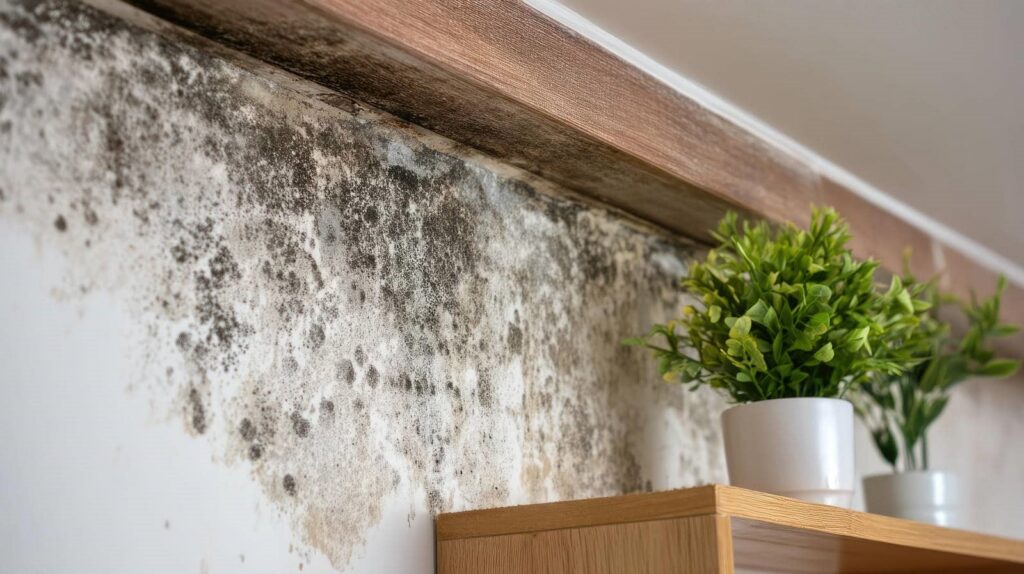
When tackling mold removal, you need a strategic approach to ensure effectiveness and safety. Start by understanding the types of mold and their potential health impacts. Identifying the signs in your home is critical for early intervention. Proper safety gear is essential, as well as knowing the right cleaning methods. Each step you take can notably reduce the risk of future growth. So, what are the specific strategies that will make your efforts successful?
Key Takeaways
- Ensure proper safety precautions by wearing protective clothing, masks, and goggles to prevent exposure during the mold removal process.
- Thoroughly ventilate the area by opening windows and using air purifiers to minimize airborne spores during cleanup.
- Utilize effective cleaning supplies, such as eco-friendly options and mold-resistant products, tailored to the specific surfaces being treated.
- Control indoor humidity levels below 60% with dehumidifiers to prevent future mold growth and maintain a dry environment.
- Conduct routine inspections and seasonal checks to detect moisture issues early, allowing for timely intervention and remediation.
Understanding Mold: What You Need to Know
Understanding mold is essential for maintaining a healthy living environment, especially since it can thrive in damp conditions.
Mold biology reveals that it reproduces through spores, which can pose significant health risks, including respiratory issues and allergies.
To combat these risks, you must implement effective prevention methods, such as controlling indoor humidity levels and improving air quality.
Regular mold testing can help identify problematic areas in your home.
If you detect mold, containment strategies are vital to prevent its spread during remediation techniques. These might include sealing off affected areas and using protective gear.
Identifying Mold: Signs and Symptoms in Your Home
While you mightn’t always see mold, its presence can often be detected through various signs and symptoms in your home. Look for discoloration on walls, ceilings, or floors, along with musty odors.
If you or your family experience mold allergies, such as sneezing or itchy eyes, it’s time to investigate further. Conduct regular seasonal checks and utilize effective inspection techniques to spot hidden mold.
Moisture control and ventilation improvement are essential in preventing mold growth. If you find significant signs, consider home remedies for small issues, but don’t hesitate to seek professional assessments for larger problems.
Evaluate Mold Damage: Key Steps
To effectively evaluate mold damage, start by examining the affected areas in your home.
Look for visible signs and measure the extent of the damage to understand what you’re dealing with.
Identifying the type of mold present will also guide your removal strategy and safety precautions.
Assess Affected Areas
When tackling mold removal, assessing affected areas is essential for effective remediation. Start with a thorough assessment to identify mold growth and moisture issues.
Here are key steps to take into account:
Conduct a Visual Inspection: Look for discoloration, stains, or peeling paint.
Check for Moisture Sources: Identify leaks, humidity levels, or condensation-prone areas.
Utilize Mold Inspection Tips: Use tools like moisture meters for accurate readings.
Assess Airflow: Confirm proper ventilation to minimize damp conditions.
Document Findings: Take notes and photos for future reference and planning.
Identify Mold Type
Identifying the type of mold present in your environment is essential for effective remediation, as different species can pose varying health risks and require specific removal techniques. Utilize various identification methods, including visual inspection and mold testing, to determine the mold species affecting your space. Pay attention to environmental factors and growth conditions, such as moisture levels, which influence mold development.
| Mold Species | Visual Characteristics |
|---|---|
| Black Mold | Dark, black color, slimy texture |
| Aspergillus | Green to yellow, powdery appearance |
| Penicillium | Blue or green, fuzzy growth |
Understanding these color differences can aid in quick identification, ensuring you take appropriate action for safe removal.
Essential Safety Gear for Mold Removal: What You Need
How can you ensure your safety during mold removal? Equipping yourself with the right safety gear is essential. Here’s what you need to secure effective contamination control:
Protective clothing: Wear full-body suits to prevent skin contact.
Respiratory equipment: Use N95 or better masks to filter airborne spores.
Eye protection: Goggles will shield your eyes from irritants.
Skin barriers: Apply barrier creams to further protect exposed skin.
Ventilation measures: Maintain good airflow to minimize inhalation risks.
Additionally, follow proper safe disposal guidelines for contaminated materials and have clear emergency procedures in place.
Prioritizing safety gear protects you and fosters a safer environment for everyone involved.
DIY Mold Removal: Essential Steps for Homeowners
When tackling DIY mold removal, safety precautions come first to protect yourself and your home.
You’ll need specific cleaning supplies and effective techniques to ensure complete eradication.
Understanding these essential steps will help you manage mold issues effectively and safely.
Safety Precautions First
Before tackling mold removal, it’s vital to prioritize safety to protect yourself and your home. Mold can greatly impact your health and indoor air quality, so taking the right precautions is essential.
Here are five key safety measures to follow:
Wear protective gear: Use gloves, goggles, and a mask to shield yourself from mold spores.
Ventilate the area: Open windows and doors to ensure adequate airflow while working.
Seal off the space: Use plastic sheeting to contain mold spores and prevent cross-contamination.
Avoid moisture: Keep the area dry to prevent further mold growth during the removal process.
Know when to seek help: If mold covers a large area or poses health risks, consider hiring professionals.
Necessary Cleaning Supplies
Effective mold removal requires the right cleaning supplies to ensure thoroughness and safety.
Start with budget-friendly options like white vinegar or baking soda as natural alternatives to harsh chemicals. These can effectively combat mold without adverse health impacts.
For tougher mold, consider commercial products, but always check product comparisons to confirm environmental considerations align with your values.
Employ various cleaning techniques, such as scrubbing and soaking, depending on the surface.
Don’t forget seasonal maintenance; regularly inspect areas prone to humidity, like bathrooms and basements.
Finally, store your supplies in a cool, dry place to maintain their efficacy.
Effective Removal Techniques
Start by identifying the mold’s location and type, as this determines the best removal strategy.
Once you’ve pinpointed the issue, you can effectively apply various mold removal techniques. Here are essential steps for homeowners:
Use a mixture of water and detergent for light mold.
For tougher infestations, try vinegar or hydrogen peroxide.
Consider advanced cleaning methods like steam cleaning for carpets and upholstery.
Seal off the affected area to prevent spores from spreading.
Always wear protective gear, including masks and gloves.
When Should You Call the Pros?
When should you consider bringing in professional help for mold removal? If the mold covers a large area, typically more than 10 square feet, it’s time to call in mold remediation services.
Professionals can provide thorough assessments, identifying hidden mold and addressing environmental factors that contribute to growth. Ignoring mold can lead to serious health risks, making swift action essential.
If you’ve had previous mold issues or suspect water damage, don’t hesitate to reach out. Many insurance policies cover mold remediation, so check your coverage.
Professionals offer long-term solutions and emergency responses, ensuring that your home remains safe. Regular maintenance routines can help prevent future outbreaks, but when in doubt, trust the experts for effective results.
Preventing Future Mold Growth: Key Strategies
After addressing any existing mold issues, implementing preventive measures is essential to keep your home mold-free.
Here are key strategies you can adopt:
Use mold-resistant materials in areas prone to moisture, like bathrooms and kitchens.
Maintain humidity control by using dehumidifiers and air conditioners, aiming for levels below 60%.
Ensure proper ventilation in attics and crawl spaces to reduce moisture buildup.
Inspect and repair leaks promptly to prevent water accumulation.
Regularly clean gutters to avoid overflow and dampness around your home.
Avoid These Common Mold Removal Mistakes
When removing mold, you can’t overlook safety precautions; failing to wear protective gear can expose you to harmful spores.
Additionally, using inadequate cleaning supplies mightn’t effectively eliminate the mold, leading to a recurrence.
Understanding these common mistakes is essential for a successful mold removal process.
Ignoring Safety Precautions
Although it may seem straightforward to tackle mold removal, neglecting safety precautions can lead to serious health risks and further contamination. You might believe common mold myths, but safety negligence during cleanup can expose you to harmful mold spores and increase the chances of chronic exposure.
This can result in respiratory issues and allergic reactions, especially in poorly ventilated areas.
To keep yourself safe, remember to:
- Wear appropriate personal protective equipment (PPE)
- Ensure proper ventilation during cleanup
- Use an air purifier to filter out mold spores
- Control moisture to prevent future growth
- Dispose of contaminated materials correctly
Using Inadequate Cleaning Supplies
When you rely on the wrong products or ineffective techniques, you risk inadequate preparation and improper storage of your cleaning materials. This may lead to insufficient ventilation, allowing mold spores to thrive.
A lack of knowledge about the best cleaning agents often results in neglecting surfaces that harbor mold, making your efforts futile. Furthermore, poor application of cleaning solutions can cause further spread instead of containment.
To combat mold effectively, invest in quality supplies designed for specific surfaces and follow recommended guidelines. This ensures you tackle the issue thoroughly, fostering a healthier environment for you and your loved ones.
Choosing the Right Products for Mold Cleanup
How can you ensure effective mold cleanup? Choosing the right products is essential. Here are some factors to take into account:
Mold Resistant Products: Opt for materials that resist mold growth.
Eco-Friendly Cleaners: Select safe options that are effective yet gentle on your environment.
Specialized Mold Removers: Use products designed specifically for mold remediation to ensure greater effectiveness.
Commercial versus DIY: Weigh the benefits of store-bought solutions against homemade alternatives tailored to your needs.
Surface Compatibility: Confirm the product is suitable for the surfaces you’re treating, taking into account their material and finish.
Also, think about scent considerations and application methods to enhance your cleanup experience and create a healthier environment.
Post-Removal Care: Ensuring a Mold-Free Environment
Once you’ve successfully removed mold, maintaining a mold-free environment is essential. Start by implementing ventilation improvement strategies to enhance air circulation, reducing moisture buildup.
Control humidity levels below 60% using dehumidifiers and proper HVAC systems. Invest in high-quality air filtration systems to capture airborne spores and allergens.
After cleanup, consider surface sealing products to prevent future mold growth on vulnerable areas. Conduct routine inspections to identify any signs of moisture or mold early, allowing for timely intervention.
Regular moisture monitoring helps you stay ahead of potential issues, ensuring your living space remains healthy and safe. By following these steps, you create a welcoming environment that fosters well-being and community connection.
Frequently Asked Questions
How Long Does It Take for Mold to Grow After Water Damage?
Mold can start growing within 24 to 48 hours after water damage, depending on factors like humidity, temperature, and material types. Understanding the mold growth timeline helps you act quickly to prevent further issues.
Can Mold Exposure Cause Long-Term Health Issues?
Yes, mold exposure can lead to long-term health issues. You might experience mold symptoms like respiratory problems, allergies, and chronic fatigue. Understanding these health risks is essential for protecting yourself and your loved ones.
What Types of Mold Are Most Harmful to Humans?
Toxic molds, like Stachybotrys and Aspergillus, can harm your health. They trigger mold allergies, leading to respiratory issues and other symptoms. It’s essential to identify and address these molds promptly to protect yourself and loved ones.
Is It Safe to Live in a Home With Mold?
Living in a home with mold isn’t safe. You should use mold prevention tips and safe cleaning methods to address the issue. Ignoring it can lead to health risks and further damage to your property.
How Do I Know if My Mold Removal Was Successful?
To know if your mold removal was successful, conduct mold testing after cleanup. Use reliable inspection methods to ensure no spores remain. This helps confirm a safe environment, giving you peace of mind in your home.
Review
Just as a gardener prunes away dead branches to nurture healthy growth, you must tackle mold decisively to foster a safe home. Equip yourself with knowledge and safety gear, and apply the right techniques to reclaim your space. By remaining vigilant and proactive, you cultivate an environment where mold has no chance to thrive. With consistent care and attention, your home can flourish, echoing the harmony of a well-tended garden—healthy, vibrant, and mold-free.