
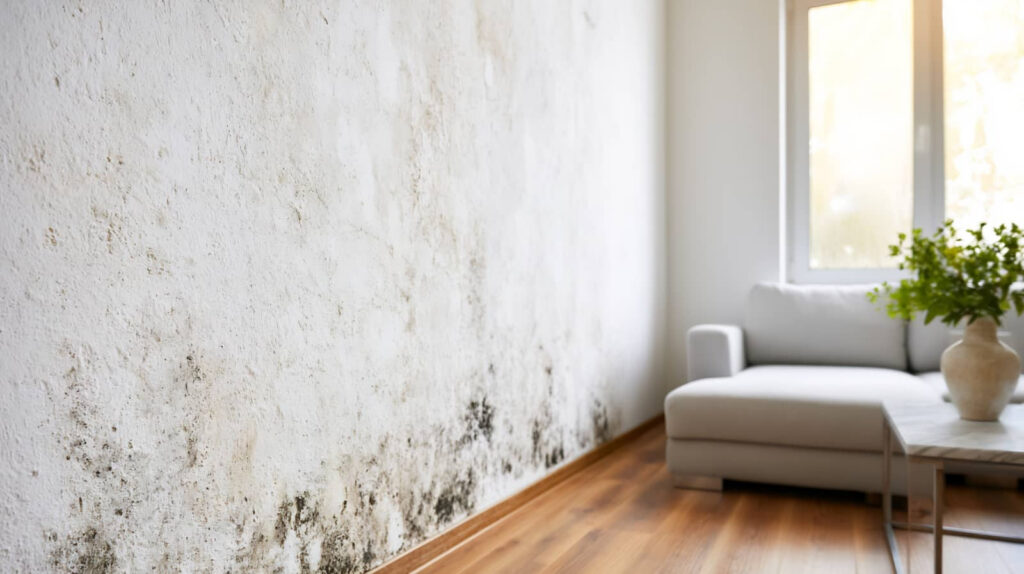
You may not know that mold remediation experts don’t start with cleanup—they start by tracing moisture, measuring contamination, and planning containment. If your home has flooded, they inspect hidden cavities, test air quality, and isolate affected zones to stop spores from spreading. Then they remove damaged materials, disinfect salvageable surfaces, and verify drying with moisture tools. What happens if any step is skipped is where the real risk begins.
Key Takeaways
- Mold remediation experts inspect the property to find moisture sources, map contamination, and determine how far mold has spread.
- They use tools like moisture meters, thermal imaging, and air or surface sampling to confirm hidden mold and affected materials.
- They set up containment barriers and negative air pressure to prevent mold spores from spreading during cleanup.
- They remove contaminated materials, clean salvageable surfaces, and apply antimicrobial treatments using safe, material-specific methods.
- They dry and monitor the area with dehumidifiers and air movers, then restore damaged sections to make the home safe.
What Mold Remediation Experts Do
Evaluating the site, mold remediation experts identify the moisture source, define the extent of contamination, and build a containment and removal plan that limits cross-contamination and occupant exposure.
You benefit from a disciplined process that protects your space and everyone in it. Using mold identification techniques, they inspect materials, measure humidity, sample air or surfaces when needed, and classify affected areas by severity.
They isolate work zones with barriers and negative air pressure, wear proper personal protective equipment, and remove damaged porous materials safely. For salvageable surfaces, they clean, HEPA-vacuum, and apply antimicrobial treatments according to industry standards.
They also document findings, verify drying targets, and recommend corrections that reduce recurrence and health risks.
With this methodical approach, you gain confidence that your environment supports comfort, safety, and shared peace of mind daily.
When to Call Mold Experts After Flooding
After flooding, the safest time to call mold experts is as soon as water intrusion affects drywall, insulation, flooring, HVAC components, or any area that can’t be dried completely within 24 to 48 hours.
Quick action limits hidden flood damage and reduces health risks for everyone sharing your space.
Call promptly when you notice:
- persistent moisture, musty odors, or warped materials after cleanup
- contaminated water from sewage, storm surge, or river overflow
- vulnerable occupants with asthma, allergies, or weakened immunity
You protect your home best by treating flooding as a time-sensitive safety event, not a wait-and-see problem.
If materials stayed wet, if humidity remained elevated, or if water reached enclosed cavities, you need professional help. Acting early helps your household recover together with confidence and stronger protection.
How Experts Inspect Mold Damage
A thorough mold inspection starts with a structured site assessment that traces where moisture entered, how far it traveled, and which materials still hold water. Experts document visible growth, staining, odors, and humidity patterns so you understand the scope clearly.
Next, they use moisture meters, thermal imaging, borescopes, and targeted sampling to verify hidden damage without guesswork. These mold identification techniques help distinguish active contamination from old staining or unrelated debris.
You’ll see a methodical review of drywall, insulation, subflooring, HVAC components, and framing because each surface can support different growth conditions. Inspectors also note occupancy risks, ventilation problems, and likely mold health effects, especially for children, older adults, and anyone with respiratory concerns.
This careful process gives you reliable findings and a shared plan for next steps.
How Experts Contain and Remove Mold
Once inspection confirms the extent of contamination, experts set containment before they disturb any material so spores don’t spread into clean areas. You can expect disciplined mold containment techniques: sealed work zones, negative air pressure, and restricted access that protects everyone in your home.
They isolate affected rooms with polyethylene barriers and zipper doors.
They use HEPA-filtered air scrubbers to capture airborne particles during removal.
They bag contaminated debris in sealed containers before carrying it outside.
Then, crews follow safe removal methods based on the surface and material. They cut out porous items with visible growth, wire-brush or wipe nonporous surfaces, and vacuum residues with HEPA equipment.
Throughout the process, they wear respirators, gloves, and protective suits, so you know your space is being handled with care.
How Experts Dry and Restore Your Home
Before restoration begins, experts dry the affected area with a controlled, documented process that brings moisture levels back to safe targets and helps prevent mold from returning.
You’ll see technicians use calibrated meters, thermal imaging, air movers, and dehumidifiers to verify hidden dampness and accelerate evaporation safely. They track readings daily, isolate unaffected materials, and adjust drying techniques to protect framing, insulation, flooring, and finishes.
Once structures meet clearance goals, crews clean residue, remove unsalvageable sections, and apply restoration methods that return your home to stable, habitable condition. Depending on damage, that may include replacing drywall, reinstalling trim, sealing surfaces, and confirming airflow performs properly.
Throughout the process, you’re part of a disciplined plan designed to restore not just materials, but confidence that your home is safe, sound, and ready again.
Frequently Asked Questions
How Much Does Mold Remediation Usually Cost?
You’ll usually pay $500 to $6,000 for remediation, though severe cases can exceed that. Your mold inspection costs, contamination size, material removal, containment needs, and other remediation factors directly determine the safe, methodical scope required.
Will Homeowners Insurance Cover Mold Remediation?
Yes, your homeowners insurance may cover mold remediation if a covered peril caused it. You should review mold coverage policies carefully and document damage methodically, because the insurance claim process often excludes preventable moisture and deferred maintenance.
How Long Should We Stay Out During Remediation?
You should stay out until clearance testing passes—sometimes it feels like forever. Expect remediation duration to range from 24 hours to several days, depending on contamination. Follow safety precautions, and reenter only when your remediation team approves.
Can Mold Remediation Increase My Home’s Resale Value?
Yes, you can increase your home’s resale value through remediation by reducing mold impact, documenting corrected moisture sources, and reassuring buyers. You’ll strengthen inspection outcomes, support safer occupancy, and improve market confidence with measurable resale benefits.
How Can I Prevent Mold From Returning Afterward?
You can prevent mold from returning by fixing leaks, improving ventilation, and maintaining humidity control below 60%. Follow preventive measures like sealing moisture entry points, drying wet areas promptly, and scheduling routine inspections to protect your home.
Conclusion
Mold remediation experts act like navigators guiding your home through a storm’s aftermath. They trace hidden moisture, map contamination, seal off danger, and remove compromised materials with disciplined care. They don’t just clean what you see; they correct the conditions that let mold spread. When you bring them in after flooding, you protect your structure, your air, and your health. With their methodical process, you return your home to safe, stable ground once more.