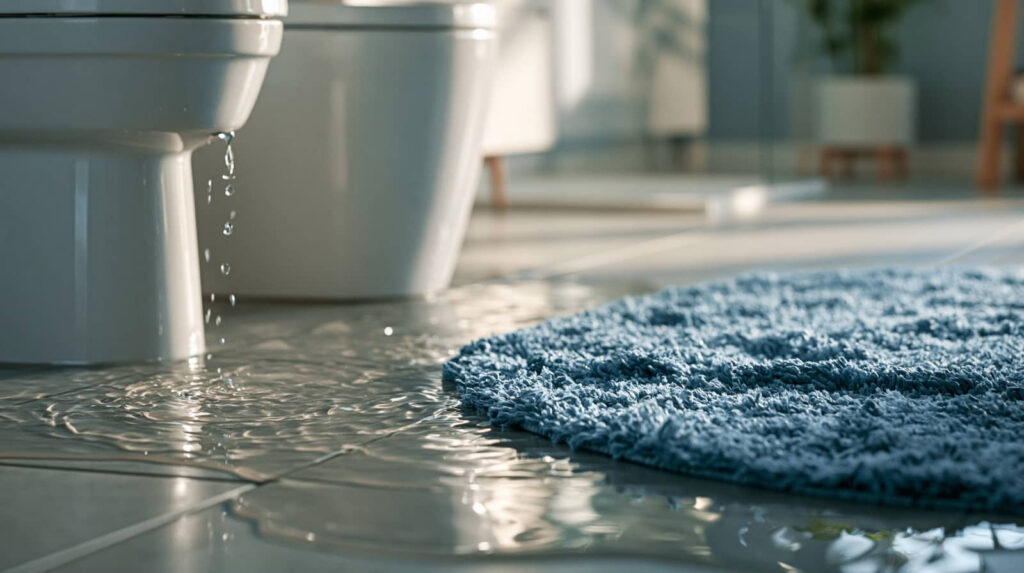
Sewage contamination cleanup is the controlled process used to remove hazardous wastewater, isolate affected areas, discard porous materials that can’t be sanitized, and disinfect surfaces with approved antimicrobial agents. You also need to dry the structure quickly to limit microbial growth and verify that conditions are safe before reentry. If a burst pipe releases sewage into your property, the first steps you take can reduce both health risks and repair costs.
Key Takeaways
- Sewage contamination cleanup is the safe removal of wastewater containing harmful bacteria, viruses, chemicals, and other hazardous pollutants.
- The process starts by isolating the area, stopping the water source, and keeping unprotected people and pets away.
- Professionals extract contaminated water, remove unsalvageable materials, and contain affected spaces to prevent further spread.
- Exposed surfaces are cleaned, disinfected with EPA-registered products, and thoroughly dried to stop microbial growth.
- Cleanup is complete only after moisture and sanitation are verified, making the area safe for reentry.
Why Is Burst Pipe Sewage Water Dangerous?
Burst pipe sewage water creates three immediate hazards: biological contamination, chemical exposure, and rapid structural damage.
You face sewage health risks because wastewater can carry bacteria, viruses, parasites, and fungi that enter through skin contact, inhalation, or accidental ingestion. Common contamination sources include toilet discharge, drain backups, graywater crossflow, and soil-borne pollutants pulled into damaged lines.
You also face chemical exposure from cleaning agents, industrial residues, and gases released as waste decomposes. These compounds can irritate your eyes, lungs, and skin, even during brief contact.
At the same time, sewage rapidly penetrates drywall, insulation, subfloors, and framing. Moisture and organic waste feed microbial growth, weaken materials, and spread contamination beyond the visible spill.
Understanding these hazards helps you protect your space and everyone who depends on it.
What Should You Do Right Away?
First, protect yourself by isolating the affected area, avoiding direct contact, and using appropriate personal protective equipment if entry is unavoidable.
Next, stop further water exposure by shutting off the water source and keeping people and pets out of contaminated spaces.
Then, contact qualified sewage cleanup professionals immediately so they can assess the hazard, contain contamination, and begin safe remediation.
Ensure Personal Safety
Because sewage can contain bacteria, viruses, and toxic gases, you should treat any spill as an immediate health hazard.
Your first job is to protect yourself and everyone nearby before any cleanup begins. Use this safety sequence:
- Put on personal protective equipment: waterproof gloves, rubber boots, eye protection, and an N95 or respirator if aerosols are present.
- Keep children, pets, and unprotected people away from the area to reduce health risks.
- Open nearby windows and exterior doors, if safe, to improve ventilation and limit gas buildup.
- Avoid direct contact with contaminated surfaces, and don’t touch your face, phone, or personal items.
Stop Water Exposure
Once you’ve secured the area, stop any additional water from entering the space by shutting off the nearest water supply valve or the building’s main water line if the source isn’t immediately clear.
Next, disable fixtures, appliances, or pumps connected to the affected line so they can’t restart and worsen water damage. If sewage is backing up from a drain, avoid flushing toilets or running sinks anywhere in the building.
Place barriers, towels, or absorbent socks at thresholds to limit spread into clean zones. Open no pathways that could move contaminated water into HVAC returns, storage rooms, or occupied areas.
As part of a safety-minded response, treat all standing sewage as hazardous because it carries serious health risks. By acting methodically, you protect your space and everyone who relies on it each day.
Contact Cleanup Professionals
Your next move should be to contact a licensed water-damage and biohazard remediation company that handles Category 3 sewage losses.
You need a team trained to assess sewage risks, isolate contaminated zones, and apply compliant sanitation methods. Fast professional response protects your household and keeps everyone aligned around safe recovery.
- Request emergency dispatch and describe the source, affected rooms, and exposure time.
- Confirm the crew uses PPE, moisture mapping, containment barriers, and HEPA-filtered air scrubbers.
- Ask about extraction, demolition of unsalvageable materials, disinfection protocols, and drying verification.
- Document authorization, insurance coordination, and post-remediation clearance testing before reentry.
What Is Sewage Contamination Cleanup?
When sewage enters a building, cleanup means more than removing visible waste—it’s a controlled decontamination process that isolates the affected area, extracts contaminated water, removes unsalvageable materials, cleans and disinfects exposed surfaces, and dries the structure to safe moisture levels.
You need to understand that sewage contamination cleanup addresses both moisture damage and biological risk. Because sewage hazards include bacteria, viruses, parasites, and aerosolized particles, you can’t treat it like ordinary water damage.
Effective cleanup methods focus on containment, cross-contamination prevention, source removal, surface decontamination, and verification that conditions are sanitary and dry. You’re part of a community that values safe, healthy spaces, so this process protects occupants, adjacent rooms, and the building system itself.
The goal isn’t appearance alone; it’s restoring a livable indoor environment safely.
How Does Professional Sewage Cleanup Work?
Because sewage cleanup combines water mitigation with biohazard control, professionals follow a defined sequence to protect you, the structure, and unaffected areas. Your crew typically moves through four controlled stages:
- Containment: They isolate the affected zone with barriers and negative air pressure, limiting aerosol spread.
- Contamination assessment: They inspect moisture migration, category 3 water pathways, and impacted materials to map risk.
- Extraction and sanitation: Using proven sewage removal techniques, they pump standing waste, remove residues, and apply EPA-registered disinfectants.
- Drying and verification: They deploy air movers, dehumidifiers, and meters to confirm structural drying and reduced microbial risk.
Throughout the process, you’re kept informed, protected with PPE protocols, and supported by a team that treats your property like part of the community you value most.
What Can Be Saved After Sewage Damage?
Salvage depends on porosity, exposure time, and how far category 3 water migrated through the assembly. You can usually retain nonporous materials if technicians decontaminate them promptly and verify cleanliness. Metal, glass, hard plastics, and some sealed stone surfaces often qualify as salvageable items.
You should expect porous contents with direct sewage contact to be discarded. That typically includes carpet pad, insulation, mattresses, paper goods, and upholstered furniture.
Semi-porous items, such as solid wood or concrete, require controlled drying, antimicrobial cleaning, and moisture confirmation before reuse. Your team may apply restoration techniques like HEPA vacuuming, detergent washing, extraction, and targeted demolition to isolate affected sections.
When you follow professional containment and testing criteria, you protect your household and help everyone return to a clean, shared environment sooner.
How Do You Prevent Future Sewage Problems?
To prevent future sewage problems, you should focus on source control, drainage management, and routine inspection of the waste line.
Build safer habits with your household or facility team by following these preventative measures:
- Keep grease, wipes, and solids out of drains; post disposal rules where everyone sees them.
- Schedule sewage maintenance, including camera inspections, root removal, and backflow valve testing.
- Grade soil away from the structure, clear gutters, and maintain sump pumps to reduce hydraulic overload.
- Repair cracked pipes, loose cleanout caps, and slow drains before pressure forces a backup.
You protect your property and the people who share it when you act early.
Consistent documentation, licensed plumbing service, and prompt response to warning signs help your system stay compliant, sanitary, and reliable year-round.
Frequently Asked Questions
How Much Does Sewage Contamination Cleanup Typically Cost?
You’ll typically pay $2,000–$7,000 for sewage contamination cleanup, though severe losses can exceed $10,000. Your price depends on cost factors like affected area, waste category, structural damage, and required cleaning methods to restore safety.
Will Homeowners Insurance Cover Sewage Contamination Damage?
Yes—if a backed-up sewer line damages your basement, your homeowners insurance may cover cleanup, but you must verify insurance policies, exclusions, and coverage limits. You’ll also need prompt documentation, mitigation, and safe remediation to support approval.
How Long Does Sewage Cleanup Usually Take?
You can expect the cleanup process to take 24 hours to several days, depending on contamination severity, drying requirements, and structural damage. You’ll reduce health risks fastest by following certified procedures, containment steps, and clearance testing.
Can Sewage Contamination Cause Long-Term Health Problems?
Yes—because who wouldn’t want lasting complications? You can develop long-term health risks from sewage exposure, including infections and respiratory issues. You’ll protect yourself by following prevention measures, using PPE, disinfecting thoroughly, and getting prompt medical evaluation.
Do You Need Permits for Major Sewage Cleanup Repairs?
Yes, you often need permits for major sewage cleanup repairs; you’ll need to verify local permit requirements and cleanup regulations, coordinate inspections, document hazardous conditions, and follow approved remediation procedures so your property and community stay safe.
Recap
Sewage contamination cleanup isn’t just a washdown—it’s a firewall protecting your health, structure, and air quality. If a burst pipe releases sewage water, you need to act fast, isolate the area, and bring in trained professionals. They’ll remove contamination, disinfect with approved agents, dry materials completely, and verify safe conditions before you reenter. By responding quickly and maintaining your plumbing system, you’ll reduce risk, prevent recurring damage, and keep your property safer in the future.