
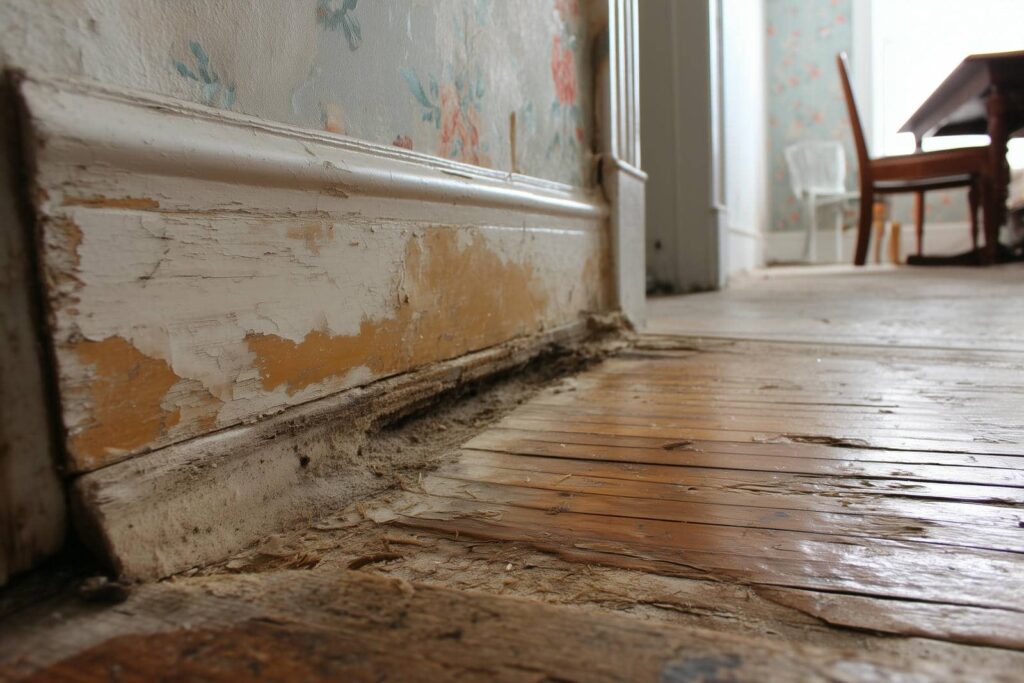
When unexpected water damage occurs, filing an insurance claim becomes a critical step for homeowners. It helps alleviate the financial strain of repairs and ensures your property is restored to its prior condition. However, understanding the intricacies of your coverage and guiding through the claims process can be challenging. Knowing what to document and common pitfalls to avoid can greatly impact your claim’s success. What should you consider next?
Key Takeaways
- Insurance claims for water damage help cover costly repairs, relieving financial burdens from unexpected incidents like burst pipes or appliance malfunctions.
- Filing claims promptly ensures adherence to deadlines, preventing loss of coverage and maximizing potential reimbursements.
- Thorough documentation of damage strengthens your claim, increasing the likelihood of receiving appropriate compensation from insurers.
- Understanding your policy’s coverage limits allows you to file claims effectively, ensuring you receive the necessary support for recovery.
- Collaborating with insurance adjusters fosters a smoother claims process, enhancing communication and expediting the resolution of your water damage claims.
Understanding Water Damage Coverage
How well do you understand the nuances of water damage coverage in your insurance policy? Maneuvering this aspect of home insurance can be complex, especially when considering home insurance limits. Most policies cover sudden and accidental water damage, but exclusions often apply, particularly for gradual damage or flooding. Understanding these limits is vital.
Additionally, effective water damage prevention strategies can greatly reduce risks. Regular maintenance, such as inspecting pipes and sealing leaks, can help you avoid costly claims.
Keep in mind that while some policies offer coverage for specific types of damage, others may require additional endorsements.
It’s essential to review your policy details and consult with your insurer to ensure you’re adequately protected. This knowledge helps you feel secure in your coverage and fosters a sense of belonging within a community that values preparedness and protection for its members.
Types of Water Damage Claims
While understanding the types of water damage claims can feel overwhelming, it’s crucial to recognize that they typically fall into several categories.
Identifying the water source helps in determining the appropriate claim types, which can greatly impact your coverage.
Burst Pipes: This often results from freezing temperatures or aging infrastructure, leading to extensive damage and requiring prompt action.
Flooding: Whether from natural disasters or heavy rainfall, flood claims often require specialized coverage separate from standard homeowner’s insurance.
Appliance Malfunctions: Issues from washing machines or dishwashers can cause localized damage, but they can escalate if not addressed quickly.
Importance of Documenting Damage
Documenting water damage is an essential step in the claims process, as thorough records can greatly influence the outcome of your claim. By conducting a detailed damage assessment, you create a clear picture of the extent and impact of the damage.
This documentation serves as critical evidence for your insurance company, helping them understand the severity of your situation and the legitimacy of your claim.
Take clear photographs and videos, noting the specific areas affected. Gather receipts for any repairs or temporary measures you’ve taken, as these strengthen your claim documentation.
Make sure to keep a written record of conversations with your insurance adjuster, including dates and names.
The Claims Process Explained
Understanding the claims process is essential for maneuvering the aftermath of water damage effectively. Here’s a breakdown of what you can expect:
Initial Notification: You’ll need to report the damage to your insurance provider promptly. This starts the claims process and often involves providing details about the incident.
Claims Assessment: An adjuster will visit your property to evaluate the damage and determine the extent of your claim. Be prepared with your documentation to support your case.
Claim Approval and Payout: After the assessment, your insurer will process your claim. If approved, you’ll receive compensation for repairs, which can help restore your home.
Common Mistakes to Avoid
When filing insurance claims for water damage, it’s essential to avoid common pitfalls that could jeopardize your claim.
Not documenting damage properly, missing claim deadlines, and underestimating repair costs can lead to significant complications.
Not Documenting Damage Properly
Failing to document water damage properly can greatly hinder your insurance claim process and reduce your chances of receiving adequate compensation.
To ensure you’re covered, avoid these common mistakes:
Neglecting Photos: Always take clear, detailed pictures of the damage from multiple angles. Visual evidence is essential for your insurance policies.
Inaccurate Descriptions: Clearly describe the extent of the water damage in your claim. Vague language can lead to misunderstandings and delays.
Forgetting to Record Dates: Document when the damage occurred and when you contacted your insurer. This timeline can be critical in processing your claim efficiently.
Missing Claim Deadlines
Missing claim deadlines can severely impact your ability to receive compensation for water damage, so it’s essential to stay aware of the timelines set by your insurance provider. Each policy has specific claim expiration dates, and failing to submit your claim on time can lead to loss of coverage.
Understand your policy limits and make sure you file your claim promptly, as delays can complicate the process and potentially reduce your compensation. Keep a calendar or set reminders to avoid overlooking important dates.
Underestimating Repair Costs
Submitting a claim on time is just one aspect of maneuvering through insurance for water damage; accurately estimating repair costs is equally crucial.
Underestimating these costs can lead to unexpected financial burdens. To avoid this common mistake, consider the following:
Obtain Multiple Repair Estimates: Don’t rely on a single contractor; gather several repair estimates to ensure accuracy.
Conduct a Detailed Cost Analysis: Break down the costs into materials, labor, and any hidden damages to create a thorough picture.
Factor in Contingencies: Always include a buffer for unforeseen expenses, as repairs often reveal additional damage.
Timeline for Filing Claims
As you navigate the aftermath of water damage, understanding the timeline for filing insurance claims becomes essential to ensure you receive the coverage you deserve. Typically, your insurance policy will outline a specific claim submission timeline, often requiring you to report damage within a certain period, usually between 24 and 72 hours after discovering the issue. Acting quickly can greatly impact the outcome of your claim.
Once you submit your claim, the claim processing duration may vary based on the insurer and the complexity of your case. Generally, you can expect a response within a few weeks, although more intricate claims might take longer.
To expedite the process, gather all necessary documentation, including photos and repair estimates. Staying organized ensures you can efficiently navigate this timeline, ultimately leading to a smoother claims experience and minimizing stress during this challenging time.
Working With Insurance Adjusters
While traversing the complexities of water damage claims, working with insurance adjusters is a critical step that can considerably influence the outcome of your case.
Effective adjuster communication is essential for a successful insurance negotiation. Here are three key strategies to contemplate:
Document Everything: Keep detailed records of all damage, repairs, and communications. This data will support your claim and clarify any misunderstandings.
Be Proactive: Don’t wait for the adjuster to reach out. Initiate contact, ask questions, and follow up on your claim’s progress to maintain momentum.
Stay Professional: Approach discussions with a collaborative mindset. Building a rapport with the adjuster can lead to a more favorable outcome.
How to Maximize Your Claim
To maximize your claim for water damage, you need to document everything thoroughly.
This means taking detailed photos and notes about the damage and any repairs made.
Additionally, understanding your policy coverage is essential, as it helps you identify what expenses are eligible for reimbursement.
Document Everything Thoroughly
Thorough documentation is essential when filing an insurance claim for water damage, as it can greatly influence the outcome of your case.
By meticulously recording evidence, you create a strong foundation for your claim. Here are three key steps to ensure you document everything thoroughly:
Photographic Documentation: Take clear, dated photos of the damage from various angles, capturing both the extent and nature of the water damage.
Inventory of Damaged Items: List all damaged belongings, noting their condition, value, and any relevant receipts.
Witness Statements: If possible, gather statements from neighbors or professionals who can confirm the damage and its cause.
Understand Your Policy Coverage
After documenting the damage, it’s crucial to understand your policy coverage, as this knowledge can greatly impact the success of your claim.
Take the time to review your policy documents carefully. Pay close attention to policy exclusions; these can limit your claim’s viability. For instance, certain water damage types mightn’t be covered at all.
Additionally, familiarize yourself with the coverage limits specified in your policy. Knowing these limits can help you gauge the financial assistance you can expect.
If you’re unsure about any terms, don’t hesitate to contact your insurance agent for clarification.
What to Do After Filing a Claim
Once you’ve filed your insurance claim for water damage, it’s crucial to stay proactive in managing the process.
Here are three key steps you should take to ensure a smooth experience:
Claim Follow-Up: Regularly check in with your insurance adjuster. This keeps you informed about your claim’s status and demonstrates your commitment to the process.
Documentation: Maintain a detailed record of all communications and documents related to your claim. This can help clarify any misunderstandings that may arise.
Repair Coordination: Start coordinating repair efforts even while your claim is being processed. This speeds up the recovery and shows your insurer you’re actively addressing the damage.
Next Steps After Claim Approval
Once your claim is approved, the first step is to assess the damage thoroughly to understand the full extent of repairs needed.
Documenting all repairs will create a clear record for future reference and help ensure you receive appropriate compensation.
Additionally, maintaining open communication with contractors will facilitate a smoother repair process and help address any issues that arise.
Assess Damage Thoroughly
Evaluating the damage thoroughly is essential for ensuring a smooth recovery from water damage.
After your claim’s approval, it’s vital to conduct a detailed damage assessment. This involves a thorough inspection of the affected areas to understand the full extent of the damage.
Here are three key steps to follow:
Identify Affected Areas: Check for visible signs of water damage, such as stains, mold, or warped materials.
Assess Structural Integrity: Confirm that walls, ceilings, and floors are safe and stable, noting any signs of weakness.
Document Additional Damage: Look for hidden damage behind walls or under flooring that may not be immediately apparent.
Document All Repairs
After evaluating the damage, the next step involves meticulously documenting all repairs made to restore your property.
Effective repair documentation is essential, as it serves as a thorough record for both you and your insurance provider. Start by creating a detailed list of repairs, including descriptions, costs, and dates.
Establish clear repair timelines to demonstrate the efficiency and thoroughness of the restoration process. Photographs can enhance your documentation, providing visual proof of the work done.
This organized approach helps you track progress and strengthen your claim, ensuring you receive the compensation you deserve.
Communicate With Contractors
Effective communication with contractors is essential once your insurance claim for water damage is approved.
Clear contractor communication fosters smooth project coordination and ensures your needs are met.
Here are three key steps to enhance your interaction:
Set Clear Expectations: Discuss timelines, costs, and required materials upfront to avoid misunderstandings.
Maintain Regular Updates: Schedule consistent check-ins to monitor progress and address any concerns promptly.
Encourage Open Dialogue: Create an environment where you and your contractor can freely share thoughts and feedback, promoting collaborative problem-solving.
Frequently Asked Questions
How Does Water Damage Affect My Home’s Resale Value?
Water damage can markedly lower your home’s resale value due to negative impacts on home appraisal and market trends. Potential buyers often perceive properties with water damage as risky investments, leading to reduced offers and prolonged sales periods.
Can I File a Claim for Gradual Water Damage?
You can file a claim for gradual water damage, but your eligibility often depends on your policy’s specific terms. Review your coverage closely to understand what qualifies and ensure you document the damage effectively.
Will My Premium Increase After Filing a Claim?
Yes, your premium may increase after filing a claim. During the claims process, your insurer conducts a premium assessment, evaluating risk factors. This assessment can lead to adjustments in your premium based on the claim’s nature.
What if My Insurance Company Denies My Claim?
If your claim’s denied, don’t panic. For example, after a flood, you can file a claim appeal, asserting your insurance rights. Gather evidence and communicate clearly to strengthen your position for reconsideration.
Are There Limits to the Amount I Can Claim?
Yes, there are claim limits based on your policy specifics. Each insurance policy outlines maximum amounts you can claim for water damage, so it’s essential to review your coverage details to understand these limits.
Review
Filing insurance claims for water damage is more than just paperwork; it’s your lifeline in restoring your home. By understanding your coverage, documenting every detail, and avoiding common pitfalls, you can navigate the claims process with confidence. Remember, your insurance adjuster is your ally, not your adversary. With the right approach, you can maximize your claim and turn a challenging situation into a manageable one. Don’t let water damage wash away your peace of mind—act decisively.