
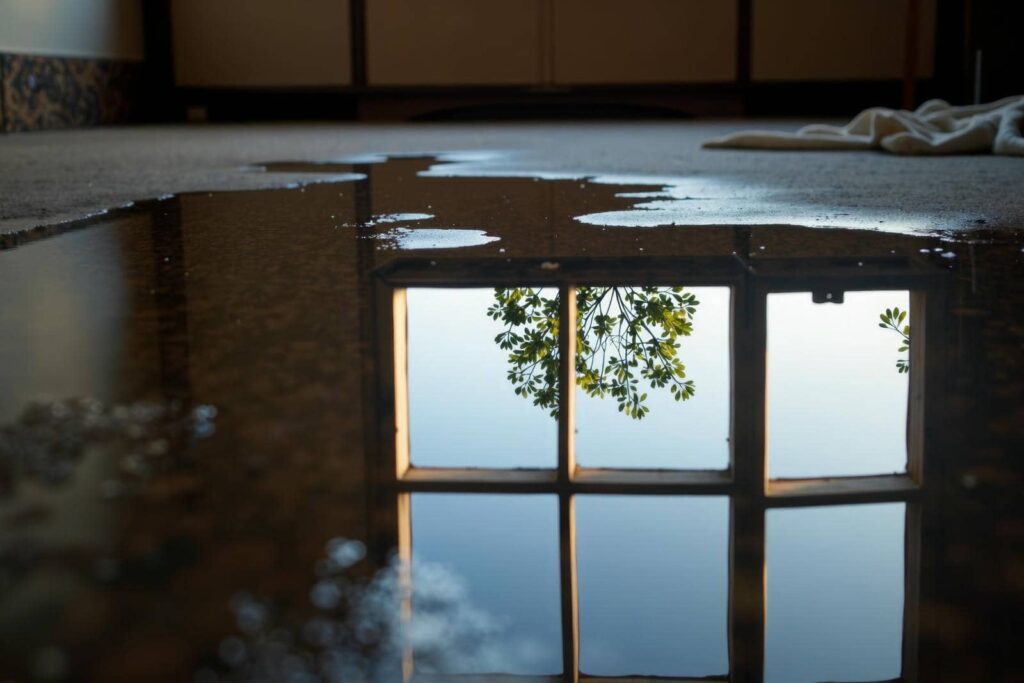
Water damage can strike unexpectedly, and knowing how to respond quickly is vital. You’ll need to assess the extent of the damage while ensuring your safety. Shutting off utilities is a must before tackling any standing water. Understanding these damage remediation steps can save you time and money in the long run. But what comes next might surprise you, especially when it comes to preventing future issues.
Key Takeaways
- Identify and address the source of water damage immediately to prevent further issues and document all findings for insurance purposes.
- Ensure safety by wearing protective gear and shutting off utilities like water, gas, and electricity before starting remediation.
- Remove standing water within the first 24 to 48 hours using pumps or vacuums, and promote drying with fans and dehumidifiers.
- Capture detailed photos and create a list of damaged items to streamline insurance claims and maintain organized documentation.
- Regularly inspect plumbing and roofing, and consider hiring professionals for expert assessments and advanced restoration techniques to ensure lasting repairs.
Assess the Extent of Water Damage
Before you begin any remediation efforts, it’s essential to evaluate the extent of water damage in your home. Start with water source identification; pinpoint where the water intrusion originates, whether it’s from a leaky roof, burst pipe, or flooding. This step is vital for effective remediation, as it allows you to address the root cause.
Next, conduct a damage timeline analysis. Document when the water exposure began and how long it’s been affecting your property. This information helps you understand the severity of the damage and informs your remediation strategy.
Look for visible signs of damage like discoloration, mold, or warping in walls and floors. Don’t forget to check hidden areas, such as under carpets or behind appliances, which can harbor moisture.
Ensure Safety First
Once you’ve assessed the extent of water damage, prioritizing safety is vital. Start by wearing protective gear, including gloves and masks, to guard against contaminants and mold.
Make certain that you’re aware of any potential hazards, such as unstable structures or contaminated water. Keep children and pets away from the affected area to minimize risk.
Emergency preparedness is essential during this process. Have a plan in place that includes communication with family members and access to resources.
Familiarize yourself with local emergency services and restoration professionals who can assist if needed.
Always maintain water safety by testing the affected area for electrical hazards and confirming that you have a safe exit route.
Your well-being is the top priority, so don’t hesitate to seek help if the situation feels overwhelming. Taking these precautions protects you and fosters a sense of community and support during challenging times.
Shut Off Electricity and Utilities
As you begin the water damage remediation process, shutting off electricity and utilities is essential to ensure safety and prevent further complications.
First, locate your main electrical panel and switch off the power supply. This step is vital for electricity safety, as standing water can conduct electricity, posing serious risks of shock or electrocution.
Next, turn off water supplies to prevent additional leaks.
You can manage utilities effectively by shutting off gas lines as well, especially if you suspect water damage in those areas.
Always consult a professional if you’re uncertain about any utility management steps.
Remove Standing Water Promptly
Removing standing water promptly is essential to minimizing damage and preventing mold growth. The longer water sits, the greater the risk of structural damage and health issues.
Start by evaluating the area and determining the best method for water extraction. If you have a significant amount of water, a sump pump can effectively remove it. Make sure it’s functioning properly before you begin. For smaller amounts, use wet/dry vacuums or absorbent materials to soak up the water.
Act quickly; the first 24 to 48 hours are critical in preventing further complications. If you’re unable to manage the situation alone, don’t hesitate to call a professional to assist with water extraction. They’ve the right tools and expertise to handle the job efficiently.
Dry Out Affected Areas
To effectively dry out affected areas, position fans to maximize airflow and facilitate evaporation.
Simultaneously, use dehumidifiers to lower humidity levels in surrounding spaces, ensuring moisture is extracted efficiently.
This combination accelerates the drying process and helps prevent further damage.
Use Fans Strategically
While water damage can seem overwhelming, using fans strategically can greatly expedite the drying process in affected areas.
Start by determining ideal fan placement; position fans in a way that maximizes airflow direction toward the wettest surfaces. This ensures moisture is effectively pushed away and allows for quicker evaporation.
You’ll want to create a cross-ventilation effect by placing multiple fans in a room, angling them to direct airflow toward each other. This enhances the drying process and helps prevent musty odors from developing.
Remember to keep windows open if the weather permits, as this allows for a continuous exchange of air.
Dehumidify Surrounding Spaces
After positioning fans for ideal airflow, the next step in addressing water damage is to dehumidify surrounding spaces.
Effective moisture control is essential for preventing mold growth and further damage. Here’s how to optimize your dehumidifier placement:
- Place the dehumidifier in the most affected area to maximize its impact.
- Make sure doors and windows are closed to enhance efficiency.
- Run the dehumidifier continuously until humidity levels drop to a safe range.
- Monitor humidity levels with a hygrometer to track progress.
Inspect and Remove Damaged Materials
Once you’ve dried out the affected areas, it’s essential to inspect and identify any materials that show signs of damage.
This includes checking walls, flooring, and insulation for mold or rot.
Safely dispose of any damaged materials to prevent further issues and ensure a thorough remediation.
Identify Affected Areas
As you begin the remediation process, it’s crucial to identify affected areas to effectively address water damage.
Start by conducting a thorough inspection to spot any water stains or signs of moisture. Utilize moisture detection tools to get a clearer picture of hidden issues.
Here are some steps to follow:
- Check ceilings and walls for discoloration or peeling paint.
- Inspect floors for warped or buckled surfaces.
- Examine baseboards and trim for moisture or mold.
- Look in crawl spaces and attics for leaks or dampness.
Safely Dispose of Materials
Identifying affected areas is just the first step in the remediation process; the next involves inspecting and removing damaged materials safely.
Begin by wearing protective gear, including gloves and masks, to shield yourself from harmful substances. Check for mold, moisture, and any hazardous waste, especially in areas like basements and crawl spaces.
As you remove materials, categorize them appropriately—some may be recyclable, while others should be disposed of as hazardous waste. Local regulations often dictate how to handle these materials, so be sure to follow guidelines for safe disposal.
Use Dehumidifiers and Fans
When dealing with water damage, utilizing dehumidifiers and fans is vital for effective remediation. These tools help expedite the drying process and prevent further damage. Here’s how to make the most of them:
Choose appropriate dehumidifier types: Select between refrigerant or desiccant models based on the area size and moisture levels.
Optimize fan placement: Position fans to create airflow across wet surfaces, directing air toward walls or floors to speed up evaporation.
Run them continuously: Keep dehumidifiers and fans operational until the affected areas are thoroughly dry.
Monitor humidity levels: Use a hygrometer to make sure indoor humidity stays below 60%, which is essential for effective drying.
Prevent Mold Growth
To prevent mold growth after experiencing water damage, it’s essential to act quickly and implement effective strategies. Start by using mold prevention techniques, such as cleaning with a mixture of water and detergent, to ensure all surfaces are free from moisture.
Focus on drying out affected areas within 24 to 48 hours to inhibit mold spores from taking hold.
Humidity control methods are significant; they aim to keep indoor humidity below 60%. Utilize dehumidifiers in damp areas and ensure proper ventilation throughout your home, especially in bathrooms and kitchens.
Regularly check for leaks in plumbing and roofing, as these can contribute to excess moisture.
Finally, consider using mold-resistant products when making repairs or renovations. By being proactive with these strategies, you’ll create a healthier living environment and minimize the risk of mold growth, fostering a sense of safety and belonging in your home.
Document the Damage for Insurance Claims
Documenting the damage after a water incident is essential for a successful insurance claim. Your insurance policy often requires proof of loss, so thorough documentation can streamline the claim process.
Here’s how you can effectively document the damage:
- Take clear, detailed photos of the affected areas, including walls, floors, and belongings.
- Record the date and time of the water incident, as this can impact your claim.
- Create a list of damaged items, noting their condition and estimated replacement costs.
- Collect any relevant receipts or invoices for repairs or restoration efforts.
Consider Professional Help for Restoration
When facing water damage, considering professional help can make a significant difference in restoration outcomes.
Experts possess specialized knowledge in effective restoration techniques and have access to advanced equipment that can expedite the process.
Expertise in Restoration Techniques
While tackling water damage on your own might seem feasible, the expertise of professionals in restoration techniques often proves invaluable. Their knowledge can save you time, money, and stress. By seeking expert advice, you gain access to advanced methods that ensure thorough remediation.
Here are some key benefits of professional restoration:
Thorough Assessment: Experts can identify hidden damage you might overlook.
Effective Techniques: They employ specialized restoration techniques tailored to your situation.
Safety Protocols: Professionals adhere to safety standards to protect your health.
Long-term Solutions: Their experience helps prevent future issues, ensuring lasting repairs.
Considering these factors, investing in professional help can be a wise decision for effective water damage remediation.
Access to Specialized Equipment
Access to specialized equipment is essential for effective water damage remediation. When facing significant water issues, you often lack the necessary tools for thorough restoration.
Professional restoration services utilize specialized tools, including industrial dehumidifiers, moisture meters, and water extraction units, to ensure complete drying and prevent mold growth. While equipment rental may seem like a viable option, without expertise, you risk missing hidden moisture, leading to long-term damage.
Frequently Asked Questions
How Can I Tell if My Water Damage Is Severe?
You can tell if your water damage is severe by looking for water damage signs like discoloration, mold growth, or structural changes. Evaluating severity involves checking affected areas for moisture levels and ongoing leaks.
What Items Are Safe to Keep After Water Damage?
You can often keep non-porous furniture and personal items, with damage recoverable through restoration. Thoroughly clean and assess each item for mold and structural integrity before deciding to retain it.
Can I Use My Vacuum Cleaner to Remove Water?
You can’t use a regular vacuum cleaner for water extraction; it’ll damage the machine. Instead, opt for a wet/dry vacuum designed for such tasks. Make certain it’s suitable for the specific water type you’re dealing with.
How Long Does It Take for Walls to Dry Completely?
It typically takes 3 to 7 days for walls to dry completely, depending on wall materials and drying techniques. Ensure proper ventilation and dehumidification to expedite the process and restore your space’s comfort.
What Should I Do if I Find Mold After Water Damage?
If you find mold after water damage, act quickly. Remove affected materials, clean surfaces with mold removal solutions, and ensure proper ventilation. To prevent future mold growth, control humidity, and address any leaks promptly.
Wrap-Up
Tackling water damage is like maneuvering through a storm; you need to act swiftly and decisively. By evaluating damage, ensuring safety, and removing standing water promptly, you can mitigate further issues. Don’t forget to use dehumidifiers and fans to promote drying and prevent mold growth. Document everything for your insurance claims, and consider professional help if the damage is extensive. Proactive maintenance will keep your home safe from future water-related problems.