
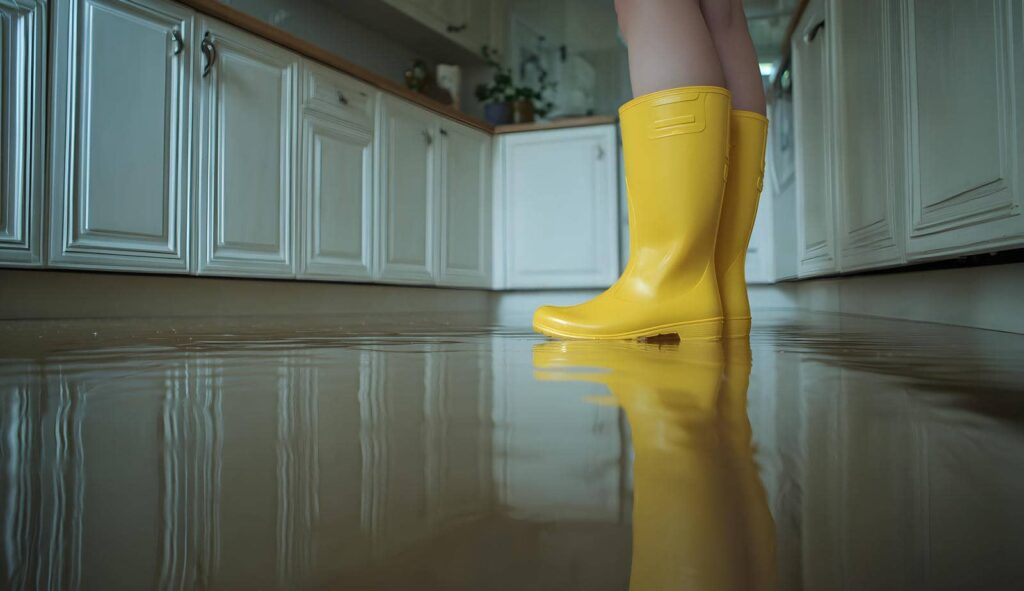
Mold can take over an area in a matter of hours after water damage, wreaking havoc on your property and health. To effectively combat this threat, you need a solid plan of action. By implementing a few vital strategies, you can greatly reduce the risk of mold growth and maintain a safe environment. Let’s explore these essential tips that can help you stay ahead of the mold game.
Key Takeaways
- Act quickly to remove standing water and initiate drying to minimize mold growth potential.
- Use dehumidifiers to maintain indoor humidity levels below 60% and control moisture.
- Clean and disinfect all affected surfaces with mold-resistant solutions to eliminate spores.
- Increase air circulation by using fans and opening windows for cross-ventilation.
- Regularly inspect high-risk areas like bathrooms and kitchens for early signs of moisture.
Act Quickly to Remove Standing Water
When water damage occurs, act swiftly to remove any standing water; every moment counts. Quick water extraction is vital to minimize damage and prevent mold growth.
If you’re faced with a considerable amount of water, don’t hesitate to call emergency services. These professionals are equipped to handle extensive water removal and can deploy specialized equipment to expedite the process.
Using a wet/dry vacuum or submersible pump can be effective for smaller areas, but for larger incidents, professional help is necessary.
Be sure to address all affected areas, including hidden spots like under carpets or behind walls, to ensure complete water removal.
The sooner you initiate the extraction process, the better your chances are of reducing secondary damage.
Dry Out Affected Areas Thoroughly
To effectively dry out affected areas, use fans to increase air circulation and promote evaporation.
Dehumidifiers should also be deployed in surrounding spaces to reduce moisture levels.
This combination helps prevent mold growth by ensuring that all damp surfaces are thoroughly dried.
Use Fans Effectively
Using fans effectively is essential for drying out affected areas after water damage, as they help circulate air and accelerate evaporation.
Start by choosing the right fan types for your needs—high-velocity fans are ideal for large spaces, while box fans work well in smaller areas.
Proper fan placement is vital; position fans to blow air across wet surfaces, promoting efficient drying. Aim to create cross-ventilation by placing multiple fans in strategic locations, directing airflow toward open windows or doors.
Keep fans running continuously until the area is thoroughly dry, which can take several days.
Dehumidify Surrounding Spaces
After maximizing airflow with fans, the next step is to dehumidify surrounding spaces. Effective humidity control is essential in preventing mold growth after water damage.
Utilize dehumidifying techniques such as industrial dehumidifiers, which extract moisture from the air quickly and efficiently. Set them to a low humidity level, ideally below 60%, to create an environment that discourages mold.
Keep windows and doors closed during this process to prevent external moisture from re-entering. Monitor humidity levels regularly using a hygrometer to verify your efforts are effective.
Remember to check hidden areas, like basements and crawl spaces, as they can retain moisture. By thoroughly drying your affected spaces, you’ll greatly reduce the risk of mold development.
Increase Air Circulation
As mold thrives in damp environments, increasing air circulation becomes essential to mitigate its growth following water damage. You should focus on using effective airflow techniques to ensure moisture doesn’t linger in your space.
Start by opening windows and doors to facilitate cross-ventilation. If the weather isn’t favorable, consider using fans to promote airflow. Position them strategically to direct air toward wet areas, helping to dry them out more efficiently.
Additionally, assess the existing ventilation in your home. Implementing ventilation improvements, such as installing exhaust fans in bathrooms and kitchens, can notably enhance air movement throughout your living spaces.
Don’t overlook the importance of maintaining vents and ducts, as blocked systems can hinder airflow and contribute to moisture retention. By taking these proactive steps to increase air circulation, you can create a less hospitable environment for mold, helping to protect your home and well-being.
Use Dehumidifiers to Control Humidity
To effectively combat mold growth after water damage, employing dehumidifiers is crucial for controlling humidity levels in your home.
You should be aware of the different dehumidifier types available, including refrigerant and desiccant models, each suited for various environments. For instance, refrigerant dehumidifiers work best in warmer spaces, while desiccant types excel in colder areas.
By using a dehumidifier, you can considerably reduce moisture in the air, creating an environment less conducive to mold development. Aim to maintain indoor humidity levels between 30% and 60% for ideal humidity control.
Regularly check the dehumidifier’s water collection tank or drainage system to verify it’s functioning properly. Setting your device to run continuously during high-humidity periods can further enhance its efficacy.
Implementing these strategies helps protect your home and fosters a healthier living environment for you and your family.
Clean and Disinfect Surfaces
To effectively prevent mold growth, you need to clean and disinfect all surfaces affected by water damage.
Use appropriate cleaning solutions that target mold spores and bacteria, ensuring you focus on high-risk areas like bathrooms and kitchens.
Thorough cleaning now can save you from more extensive problems later.
Use Appropriate Cleaning Solutions
Once you’ve addressed the immediate water damage, using appropriate cleaning solutions is essential for effectively disinfecting surfaces and preventing mold growth.
Choose mold-resistant products that specifically target mold spores, ensuring a safer environment for you and your loved ones. Eco-friendly cleaners are an excellent choice, as they minimize harmful chemicals while still providing powerful disinfection.
Look for solutions containing hydrogen peroxide or vinegar, both known for their mold-fighting properties. When applying these cleaners, focus on areas prone to moisture, like bathrooms and kitchens.
Remember to follow the manufacturer’s instructions for proper usage and safety. By using the right cleaning solutions, you’re taking a proactive step in safeguarding your home against mold and fostering a healthier living space.
Focus on High-Risk Areas
High-risk areas in your home, such as bathrooms, kitchens, and basements, require immediate attention after water damage.
Start by thoroughly cleaning and disinfecting all surfaces. Pay special attention to corners, crevices, and behind appliances where moisture can linger.
Ascertain that your bathroom ventilation is effective; running exhaust fans can help reduce humidity levels, preventing mold growth.
In basements, check your basement drainage system to verify it’s functioning properly and diverting water away. Use dehumidifiers to maintain ideal humidity levels, ideally between 30% and 60%.
Regularly inspect these areas to catch any signs of moisture early. By being proactive in these high-risk zones, you can greatly reduce the risk of mold and protect your home’s environment.
Inspect and Repair Leaks
When you experience water damage, inspecting and repairing leaks promptly is crucial to preventing mold growth. Start with thorough leak detection throughout your property. Check pipes, faucets, and appliances for any signs of dripping or moisture accumulation.
Utilize moisture meters to identify hidden leaks behind walls or under flooring. Regular plumbing maintenance can help you catch potential issues before they escalate. Verify that joints and seals are secure, and replace any worn-out components.
Don’t forget to examine your roof and gutters, as these areas can also be sources of leaks. If you find any leaks, address them immediately. Repairing minor issues can save you from significant damage and mold problems later.
Monitor for Signs of Mold Growth
To effectively prevent mold growth after water damage, you must monitor your environment for early signs of infestation. Familiarize yourself with common mold types like Aspergillus, Penicillium, and Stachybotrys, as each can pose different health risks.
Regularly check areas prone to dampness, such as basements, bathrooms, and around plumbing fixtures.
Utilize detection methods such as visual inspections, sniff tests for musty odors, and moisture meters to identify hidden dampness. If you notice any discoloration on walls, ceilings, or flooring, act quickly.
Remember to inspect behind furniture and appliances where moisture can accumulate unnoticed.
Frequently Asked Questions
What Types of Materials Are Most Susceptible to Mold Growth?
Wood surfaces and fabric materials are most susceptible to mold growth due to their porous nature. They retain moisture, creating ideal conditions for mold spores to thrive, especially in warm, humid environments.
How Long Does It Take for Mold to Develop After Water Damage?
Mold can sprout like weeds after a rainstorm, often within 24 to 48 hours following water damage. Factors like humidity, temperature, and material type influence the mold growth timeline, so act quickly to prevent it.
Can I Prevent Mold With Home Remedies?
Yes, you can prevent mold with home remedies. Use vinegar solutions to clean surfaces and baking soda to absorb moisture. These natural options help inhibit mold growth while keeping your home safe and welcoming.
When Should I Call a Professional for Mold Remediation?
You should call a professional for mold remediation if you notice extensive growth, persistent odors, or health issues. A thorough mold inspection can help assess the situation, though remediation costs may vary based on severity.
What Health Risks Are Associated With Mold Exposure?
Mold exposure can release a storm of health issues, from sneezing fits to serious respiratory problems. You’ll want to recognize mold symptoms early and focus on mold prevention to protect your well-being and community.
Wrap-Up
To prevent mold after water damage, act swiftly to remove water, dry thoroughly, and boost air circulation. Use dehumidifiers to control humidity, clean and disinfect surfaces diligently, and inspect for leaks regularly. Stay vigilant for signs of mold growth, and address issues promptly. By following these steps consistently, you’ll safeguard your space and ensure a healthier environment. Remember, prevention is key, and proactive measures make all the difference in keeping mold at bay.