
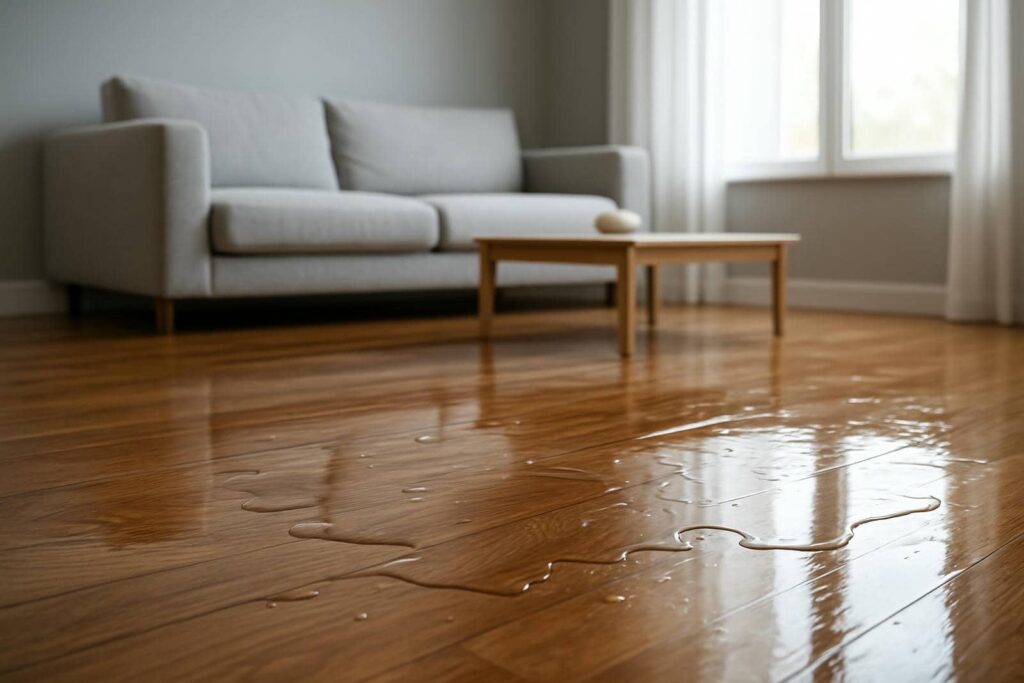
Storms can be like uninvited guests, leaving a trail of damage in their wake. To effectively assess stormwater damage, it’s vital to examine several key aspects of your property. Understanding how to evaluate water infiltration and structural integrity will help you identify the extent of the problem. But there’s more to reflect upon before you can determine the best course of action for remediation. Let’s explore the essential steps you need to take.
Key Takeaways
- Evaluate water levels and look for unusual rises, pooling, or saturated soil to identify infiltration issues.
- Inspect the foundation, roof, and walls for visible damage such as cracks, bulges, or discoloration.
- Assess electrical systems for damage, ensuring circuit breakers and wiring are intact and functional to prevent hazards.
- Document damage with clear, well-lit photos, capturing different angles and including timestamps for context.
- Consult with water damage restoration professionals for thorough assessments and effective remediation strategies to prevent future issues.
Evaluate the Extent of Water Infiltration
When evaluating stormwater damage, it’s crucial to gauge the extent of water infiltration to understand its impact on structures and landscapes. Start by checking the water level in affected areas, noting any unusual rises that could indicate severe infiltration. Look for signs like pooling water or saturated soil, which can compromise drainage systems.
Assessing drainage systems is imperative; verify they’re functioning properly to handle excess water. Blockages or inadequate design can exacerbate infiltration issues, leading to more significant damage.
Consider the duration of water exposure, as prolonged infiltration can lead to mold growth and structural weakening. Document your findings meticulously, as this information will guide necessary repairs and preventive measures.
Inspect Structural Integrity
When evaluating stormwater damage, it’s vital to inspect the structural integrity of your property.
Start by checking the foundation stability, as any cracks or shifts can indicate serious issues.
Next, assess the roof condition and wall damage to ensure the overall safety and durability of your home.
Check Foundation Stability
While evaluating storm water damage, it’s crucial to check the stability of your foundation, as even minor shifts can indicate significant underlying issues.
Start by inspecting for foundation cracks, which can develop due to soil erosion caused by excessive water flow. Look for diagonal cracks near windows or doors, as these often suggest settling.
Pay attention to any changes in the ground around your home; if the soil seems to be washing away, it might compromise your foundation’s integrity.
Additionally, check for signs of moisture in your basement or crawlspace, as this can exacerbate existing problems.
Assess Roof Condition
Evaluating your roof’s condition is essential after a storm, as it can reveal potential vulnerabilities that may lead to further damage.
Start by inspecting the following key areas:
Roof Materials: Check for cracked, missing, or warped shingles that could compromise protection.
Structural Integrity: Look for sagging areas or leaks, which may indicate underlying issues.
Drainage Systems: Make sure gutters and downspouts are clear and functioning properly to prevent water backup.
Evaluate Wall Damage
How can you determine if your walls have sustained damage after a storm? Start by inspecting for visible signs such as cracks, bulges, or discoloration. Different wall materials react differently to water exposure, so knowing what you’re dealing with can help you assess the situation accurately.
| Wall Material | Repair Options |
|---|---|
| Drywall | Patch or replace sections |
| Brick | Repoint or replace bricks |
| Wood | Dry out and treat for mold |
| Concrete | Seal cracks or resurface |
| Vinyl Siding | Replace damaged panels |
Once you’ve identified the damage, consider your repair options. Addressing issues promptly can prevent further deterioration and ensure your home remains safe and welcoming.
Assess Damage to Electrical Systems
After a storm, you need to assess the condition of your electrical systems carefully.
Start by inspecting circuit breakers for any signs of damage or corrosion, as these can indicate potential hazards.
Next, check the wiring condition to ensure it’s safe and functional, preventing any risk of electrical failure or fire.
Inspect Circuit Breakers
When evaluating storm water damage, inspecting circuit breakers is essential for determining the integrity of your electrical systems.
Circuit breakers serve as your first line of defense for electrical safety, and understanding different circuit breaker types can help you assess potential damage effectively.
Here’s what to focus on:
Visual Inspection: Check for rust, moisture, or discoloration on the circuit breakers, which could indicate water exposure.
Functionality Test: Reset each breaker to confirm it functions correctly. A non-responsive breaker may require replacement.
Professional Assessment: If you notice significant damage, consult an electrician to evaluate the overall electrical system and ensure safety.
Taking these steps can help you safeguard your home and maintain electrical safety after a storm.
Check Wiring Condition
To ensure your electrical systems remain safe after a storm, checking the condition of your wiring is essential.
Start with a thorough wiring inspection to identify any signs of damage, such as frayed wires or exposed connections. Water can compromise insulation, leading to potential hazards.
Look for corrosion or rust, which indicates moisture exposure. If you notice any issues, don’t hesitate to call a licensed electrician. They’ll assess the situation and confirm your home meets electrical safety standards.
Check for Mold and Mildew Growth
How can you effectively identify mold and mildew growth after a storm? Recognizing these issues promptly can prevent further damage to your home and health. Here are three key steps to guide you:
Inspect damp areas: Check basements, crawl spaces, and corners for water accumulation and signs of mold. If you see any discoloration, take note.
Smell for musty odors: Unpleasant, earthy smells often indicate the presence of mold. Trust your nose; it can lead you to hidden growths.
Monitor humidity levels: Use a hygrometer to keep track of indoor humidity levels. Aim for levels below 60% to implement effective mold prevention techniques.
If you do find mold or mildew, it’s vital to act quickly using appropriate mildew removal methods.
Addressing these issues early ensures a safer and healthier living environment for you and your family.
Document Damage With Photographic Evidence
After addressing any mold and mildew concerns, documenting the storm damage is a vital next step. Using effective photographic techniques is necessary for thorough damage documentation.
Start by capturing wide-angle shots of affected areas to provide context, then focus on specific damages like cracks, water stains, or structural issues. Confirm your photos are well-lit and clear; consider taking them from multiple angles to portray the full extent of the damage.
Don’t forget to include timestamps for accurate records. If possible, use a ruler or other reference objects in your images to demonstrate scale.
This documentation will help in filing insurance claims and serve as a reference for repairs. By methodically capturing the damage, you’re contributing to a collective understanding of the impact stormwater can have, fostering a sense of belonging within your community as you all work towards recovery.
Analyze Affected Materials and Contents
While evaluating storm damage, it’s vital to analyze the affected materials and contents to determine the extent of their impairment. This process aids in material identification and sets the stage for effective content restoration.
Here are three key steps to guide your analysis:
Inspect Structural Materials: Check walls, flooring, and ceilings for signs of water damage, mold, or warping. This helps you gauge whether repairs or replacements are necessary.
Evaluate Personal Items: Assess furniture, electronics, and personal belongings. Determine which items can be salvaged and which need to be discarded.
Document Findings: Keep detailed records of all affected materials and contents. This documentation will be significant for insurance claims and future restoration efforts.
Consult With Water Damage Restoration Professionals
When you’ve assessed the damage, consulting with water damage restoration professionals becomes essential for effective recovery. These experts bring specialized knowledge and experience, ensuring that your property undergoes proper water restoration.
They can identify hidden moisture, assess structural integrity, and recommend the best remediation methods tailored to your situation.
During a professional consultation, you’ll gain insights into the extent of the damage and the necessary steps for restoration. This collaboration helps in addressing immediate concerns and prevents long-term issues like mold growth.
Additionally, professionals utilize advanced equipment and techniques that may be beyond your capabilities, making the restoration process more efficient and thorough.
Frequently Asked Questions
How Long Does It Take for Stormwater Damage to Show Up?
Storm duration plays an essential role in the damage timeline. Typically, you might not notice stormwater damage immediately; it can take days or even weeks to manifest, depending on the severity and conditions involved.
Can I Assess Damage Without Professional Help?
You can definitely conduct a DIY assessment of damage, but be cautious. Look for damage indicators like water stains or mold. While you may identify some issues, complex problems often require professional expertise for thorough evaluation.
What Insurance Covers Stormwater Damage?
Flood insurance typically covers stormwater damage, but you’ll need to check your policy’s coverage limits. Understanding these limits helps you gauge what’s protected, ensuring you’re prepared for any potential financial impact after a storm.
Are There Specific Signs of Hidden Water Damage?
To spot hidden leaks, look for damp spots, peeling paint, or musty odors. Moisture detection tools can help uncover concealed issues in your home.
How Can I Prevent Future Stormwater Damage?
To prevent future stormwater damage, invest in effective waterproofing solutions and ensure your drainage systems are properly maintained. These steps help safeguard your property, promoting a sense of security and belonging in your community.
Final Thoughts
When it comes to stormwater damage, “a stitch in time saves nine.” By following these assessment tips, you can quickly identify issues and prevent further complications. Don’t overlook the importance of documenting damage and consulting professionals; their expertise can make all the difference in effective remediation. Stay proactive and vigilant, ensuring your property remains safe and sound against future storms. Taking these steps now will save you time, money, and stress down the road.