
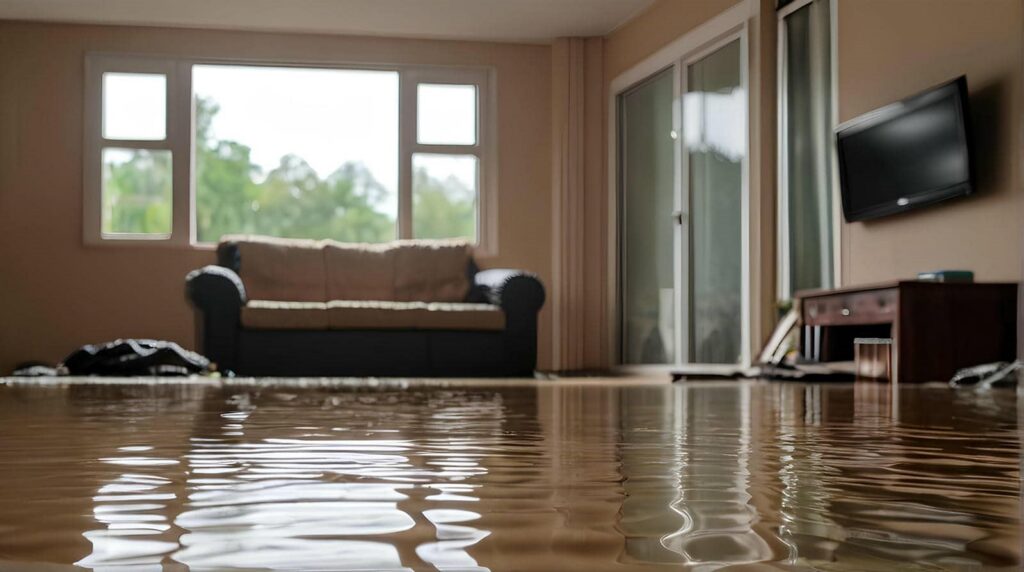
Imagine standing in your home, water swirling around your ankles like an uninvited guest. Flood cleanup can feel overwhelming, but knowing how to act quickly makes all the difference. Your safety is paramount, and gathering the right tools is just the first step. As you navigate through the mess, you’ll discover methods to protect your home from future disasters. What you do next could shape the outcome of your recovery.
Key Takeaways
Assess damage thoroughly by checking for warped floors, stained walls, and mold growth, documenting findings with photos for insurance claims.
Prioritize safety by wearing protective gear, checking for hazards like downed power lines, and having emergency contacts accessible.
Use a sump pump or wet/dry vac to extract water quickly, starting immediately to minimize further damage.
Employ dehumidifiers and ensure ventilation to dry affected areas, monitoring for signs of mold growth throughout the process.
Implement proper drainage solutions and consider landscaping modifications to prevent future flooding around your home.
How to Assess Flood Damage Effectively
When you’re faced with the aftermath of a flood, it’s essential to assess the damage quickly and thoroughly. Start by identifying damage indicators—look for warped floors, stained walls, and mold growth. These signs can help you gauge the severity of the situation.
Next, conduct a moisture assessment using a moisture meter if you have one; this tool will give you precise readings and help you determine which areas need immediate attention. Check hidden spaces like behind cabinets or under carpets, as moisture can linger there.
Document your findings with photos for insurance claims. Remember, acting swiftly can prevent further damage and create a safer environment for you and your family.
You’re not alone in this; support is available as you navigate these challenges.
Stay Safe: Key Precautions Before You Start Cleaning
Before diving into cleanup, it’s essential to prioritize your safety and well-being. Here are key precautions to take:
Check for Hazards: Confirm there are no downed power lines or gas leaks in your area.
Contact Emergency Services: Keep your emergency contacts handy for any urgent situations.
Have an Evacuation Plan: Know your safest exit routes in case conditions worsen, or you need to leave quickly.
Wear Protective Gear: Use gloves, boots, and masks to shield yourself from contaminants and debris.
Taking these steps safeguards you and helps maintain peace of mind as you tackle the cleanup process.
Your safety is the top priority, so don’t rush—be prepared.
Gather Essential Cleanup Supplies
Before you start tackling the aftermath of a flood, you’ll need to gather the right supplies.
Essential cleaning tools and safety gear will make the process more efficient and keep you safe.
Let’s look at what you need to effectively handle the cleanup.
Must-Have Cleaning Tools
Effective flood cleanup hinges on having the right tools at your disposal. When you tackle this challenging task, having essential supplies and cleaning equipment can make all the difference. Here’s what you’ll need:
Wet/Dry Vacuum: Ideal for removing standing water quickly.
Mop and Bucket: Perfect for tackling smaller puddles and cleaning surfaces.
Broom and Dustpan: Essential for sweeping away debris and dirt.
Scrub Brush: Great for scrubbing mold and mildew off surfaces.
Equipping yourself with these must-have cleaning tools helps in restoring your home and provides a sense of control during a chaotic time.
You’re not alone in this; having the right tools can foster a supportive environment for recovery.
Safety Gear Essentials
When you’re diving into flood cleanup, ensuring your safety is paramount. Equip yourself with protective clothing to shield against contaminants and moisture.
Safety goggles are essential to protect your eyes from debris and harmful substances. Don’t forget rubber gloves; they’ll keep your hands safe while handling damaged materials.
A respirator mask is important if you’re dealing with mold or unpleasant odors, ensuring you breathe clean air. Waterproof boots will keep your feet dry and protected from hazardous conditions.
Finally, having a first aid kit on hand is crucial for any unexpected injuries. By gathering these essentials, you safeguard yourself and show care for those around you, fostering a sense of community during tough times.
DIY Water Extraction Techniques
Start tackling water extraction immediately to minimize damage and prevent mold growth.
Use the right tools to effectively manage the situation. Here are some methods to evaluate:
Sump Pump: If you have one, this is your best bet for quickly removing large volumes of water.
Wet/Dry Vacs: These versatile tools can handle water and debris, making them essential for cleanup.
Water Vacuums: Specialized models can extract water from carpets and absorbent materials efficiently.
Flood Barriers: Utilize these to redirect water away from your home during extraction.
How to Dry Your Home After Flooding
After a flood, it’s vital to assess the extent of the water damage before starting the drying process.
You’ll want to use dehumidifiers effectively and ensure proper ventilation in your spaces to prevent mold growth.
Let’s explore these essential steps to help restore your home efficiently.
Assess Water Damage Extent
As you begin to assess the extent of water damage in your home, it’s essential to act swiftly and methodically.
Start by checking the water levels to determine how far the floodwaters reached. This damage assessment will guide your next steps.
Here’s what you should do:
Identify affected areas: Look for discoloration, warping, or mold growth.
Document the damage: Take photos for insurance claims and future reference.
Check structural elements: Inspect walls, floors, and foundations for stability.
Evaluate belongings: Separate items that can be salvaged from those that need disposal.
Use Dehumidifiers Effectively
Once you’ve assessed the damage, using dehumidifiers effectively can considerably speed up the drying process in your home.
Start by strategically placing your dehumidifiers in the most affected areas, focusing on rooms with standing water or dampness. Make certain there’s a clear path for airflow; this boosts moisture control and helps the unit work efficiently.
Consider running multiple units simultaneously if space allows, as this can further enhance drying. Keep windows and doors closed to prevent outside humidity from interfering.
Regularly check the water levels in the dehumidifiers, emptying them as needed. By following these steps, you’ll create a drier, healthier environment, helping you reclaim your home with confidence.
Ventilate Your Spaces Properly
To effectively dry your home after flooding, proper ventilation is essential. Good air circulation methods help reduce humidity and prevent mold growth, making your home safer and more comfortable.
Here are four ways to ventilate your spaces:
Open Windows and Doors: Create a cross-breeze to enhance airflow.
Use Fans: Position fans to direct airflow towards damp areas, speeding up drying.
Install Exhaust Fans: These can help expel humid air from kitchens and bathrooms.
Utilize Air Purifiers: They improve air quality while helping control humidity.
Flood Cleanup: Effective Cleaning and Mold Prevention
While managing the aftermath of a flood can be overwhelming, effective cleanup and mold prevention are essential to restoring your home and safeguarding your health.
Start by removing water-damaged materials promptly, as lingering moisture can lead to mold growth. Use fans and dehumidifiers for moisture control, ensuring every corner stays dry.
Clean surfaces with a mixture of water and vinegar or a non-toxic mold remediation solution to eliminate spores. It’s vital to monitor humidity levels and maintain good ventilation to keep your space safe.
If you notice any signs of mold returning, act quickly to address it.
Signs You Need Professional Flood Cleanup Help?
How can you tell if your flood cleanup efforts are beyond your capabilities? Recognizing the flood signs early can save you time, stress, and potential health issues. Here are four indicators that you might need professional help:
Persistent Odors: If you notice lingering, musty smells, it’s a sign of hidden mold or mildew.
Extensive Water Damage: Large areas of affected flooring or walls often require specialized equipment.
Health Concerns: If anyone in your home experiences respiratory issues or allergic reactions post-flood, it’s time to call in the experts.
Insurance Requirements: Some policies require professional documentation for claims, making their assistance essential.
Trust your instincts; professional help can make the difference between a safe, healthy home and ongoing problems.
Tips for Preventing Future Flood Damage
Flooding can strike unexpectedly, but with proactive measures, you can greatly reduce your risk of future damage. Start by installing flood barriers around your property to redirect water away from your home. These barriers act as a first line of defense.
Next, invest in effective drainage solutions to ensure rainwater flows away efficiently, preventing pooling around your foundation. Regularly clean gutters and downspouts to avoid clogs that can lead to overflow.
Additionally, consider landscaping modifications, like grading your yard, to promote drainage. Finally, stay informed about your local flood risks and community resources.
Frequently Asked Questions
How Long Does It Take to Completely Dry a Flooded Home?
It usually takes 3 to 5 days to completely dry a flooded home, depending on flood drying techniques and moisture detection methods you use. Stay patient and thorough; your space will feel like home again soon.
Can I Use Regular Household Cleaners After a Flood?
You shouldn’t use regular household cleaners after a flood; flood water can contain harmful contaminants. Instead, opt for specialized cleaning supplies designed to eliminate bacteria and mold, ensuring your home stays safe and healthy for everyone.
What Should I Do With Contaminated Items?
Assess each item’s contamination level carefully. If contaminated, dispose of it properly to prevent health risks. Document affected items for insurance purposes, and remember, you’re not alone in managing this challenging situation. Support is available.
Will My Insurance Cover Flood Cleanup Costs?
When it rains, it pours—your flood insurance might cover cleanup costs, depending on your policy coverage. Review your policy carefully and consult your agent, ensuring you’re not left out in the storm.
How Can I Protect My Home From Future Floods?
To protect your home from future floods, invest in effective flood prevention measures like proper drainage solutions. Elevate appliances, clear gutters regularly, and consider landscaping adjustments to direct water away. Your home deserves the best care.
Recap
Tackling flood cleanup can feel overwhelming, but with the right approach, you can restore your home effectively. Remember, over 14 million homes in the U.S. are at risk of flooding each year, making preparedness essential. By following these tips, you address immediate damage and take steps to prevent future issues. Stay proactive, and don’t hesitate to seek professional help when needed—your safety and home are worth it.