
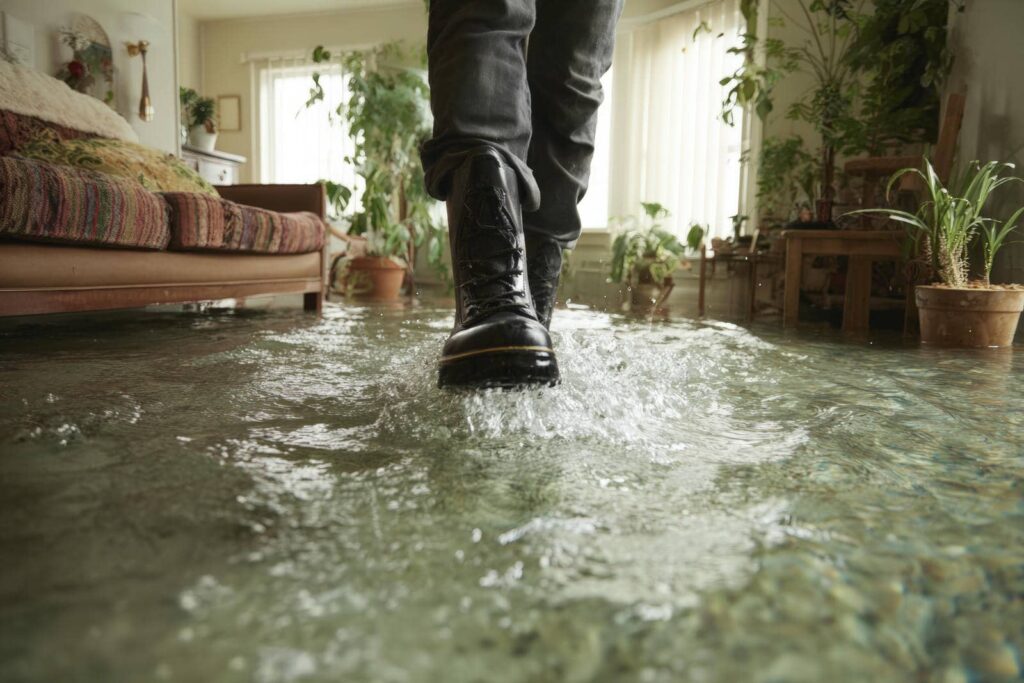
A storm’s aftermath can feel like a chaotic puzzle, each piece representing potential damage to your home. You need to act swiftly and methodically to restore order. Evaluating the water damage is your first step, but safety must come first. What tools will you need, and how will you guarantee your home dries thoroughly? Understanding these vital elements can make all the difference in effective storm water damage cleanup.
Key Takeaways
- Assess the extent of storm damage by inspecting for water intrusion, structural issues, and documenting findings for insurance purposes.
- Prioritize safety by wearing protective gear, turning off electricity, and monitoring air quality before beginning cleanup.
- Use high-capacity wet/dry vacuums and pumps to efficiently extract standing water from affected areas.
- Employ dehumidifiers and fans to facilitate drying and prevent mold growth after water removal.
- Implement preventative measures like maintaining gutters and installing drainage systems to mitigate future stormwater damage.
Assessing the Damage After a Storm
After a storm, it’s essential to assess the damage promptly to prioritize your cleanup efforts effectively.
Start by evaluating the storm impact on your property look for visible signs of water intrusion, structural damage, and debris accumulation. Document each area’s condition, noting specific issues like flooded basements, damaged roofing, or compromised foundations.
This damage evaluation should include checking electrical systems, plumbing, and HVAC units, as water exposure can lead to serious hazards.
Don’t forget to inspect your landscaping; uprooted trees or damaged plants can also greatly affect your home’s aesthetics and safety.
Take photos for insurance claims and create a detailed list of damages. This organized approach not only helps in claiming assistance but also fosters a sense of community as neighbors may share resources or support during recovery.
Safety Precautions During Water Cleanup
Once you’ve assessed the damage, it’s time to prioritize safety during the water cleanup process. Flood risks can pose serious hazards, so using appropriate safety gear is essential.
Here’s a list of key safety precautions to follow:
- Wear Protective Clothing: Use rubber boots, gloves, and masks to shield yourself from contaminants.
- Ensure Electrical Safety: Turn off electricity in affected areas before entering to prevent shocks.
- Check for Structural Damage: Inspect ceilings, walls, and floors for instability that could lead to collapses.
- Monitor Air Quality: Use fans to improve ventilation and reduce mold growth, but avoid using electrical devices in standing water.
Essential Tools and Equipment for Cleanup
Effective cleanup after storm water damage requires the right tools and equipment to guarantee a thorough and safe process.
First, gather essential cleanup supplies like heavy-duty trash bags, mops, and buckets to manage debris and excess water. A high-capacity wet/dry vacuum is invaluable for extracting standing water efficiently. You’ll also need moisture meters to assess the extent of water damage in walls and floors.
For restoration, consider investing in fans and dehumidifiers to expedite drying and prevent mold growth. Personal protective equipment, such as gloves and masks, is vital to safeguard your health during the cleanup.
Additionally, use a variety of brushes and scrapers to remove mud and contaminants from surfaces.
With these restoration tools and supplies at your disposal, you’ll be well-prepared to tackle the challenges of storm water damage cleanup, ensuring your home returns to a safe and habitable condition.
Steps for Effective Water Extraction
To effectively extract water after a storm, you need to start by evaluating the extent of the damage.
Gather the necessary equipment, such as pumps and dehumidifiers, to facilitate the process.
Once extraction is complete, focus on drying and dehumidifying the affected areas to prevent further issues.
Assessing Water Damage
Water damage assessment is essential for successful cleanup and restoration.
To effectively assess the damage, follow these steps:
- Water Source Identification: Determine where the water intrusion originated, whether from a storm, a broken pipe, or another source.
- Damage Severity Evaluation: Evaluate how much damage has occurred, focusing on structural elements, personal belongings, and potential hazards like mold.
- Moisture Mapping: Use tools to identify moisture levels in various materials, helping you pinpoint hidden areas needing attention.
- Document Findings: Take photos and notes for insurance claims and to guide your cleanup efforts.
Equipment Needed
When dealing with storm water damage, having the right equipment is essential for swift and thorough extraction.
Start with high-capacity water pumps to remove standing water efficiently. Depending on the severity, submersible pumps might also be necessary for deeper water levels. Make certain you have hoses to direct the water away from your home.
Once the bulk of the water is gone, gather quality cleaning supplies, including disinfectants and mold inhibitors, to guarantee your space is safe and clean.
Don’t forget personal protective gear, such as gloves and masks, to keep yourself protected during the process.
With the right tools, you’ll be well-equipped to tackle the cleanup and restore your home effectively.
Drying and Dehumidifying
Effective drying and dehumidifying are essential steps in the aftermath of storm water damage, as lingering moisture can lead to mold growth and structural issues.
To guarantee a thorough drying process, follow these steps:
- Choose the right dehumidifier types for your specific situation (refrigerant or desiccant).
- Set up fans to increase air circulation, which helps speed up evaporation.
- Monitor moisture levels using a moisture meter to identify damp areas needing extra attention.
- Seal off affected areas to prevent external humidity from impacting your drying efforts.
Drying and Dehumidifying Your Home
After addressing water extraction, quick action in drying and dehumidifying your home is essential to prevent mold growth and structural damage.
Utilizing specialized equipment like high-capacity fans and dehumidifiers can greatly enhance the drying process.
Make certain to monitor humidity levels to guarantee effective results.
Importance of Quick Action
Although many homeowners might underestimate the urgency of addressing storm water damage, swift action in drying and dehumidifying your home is vital to preventing further complications.
A timely response can make all the difference in minimizing damage and reducing health risks. Here are four critical reasons to act quickly:
- Mold Prevention: Damp environments promote mold growth, which can lead to serious health issues.
- Structural Integrity: Prolonged moisture weakens your home’s structure, increasing repair costs.
- Air Quality: Water damage can lead to poor indoor air quality, affecting your family’s health.
- Emergency Services: Engaging professional help guarantees proper drying techniques and equipment are used.
Taking immediate action protects your investment and guarantees a safe living environment for you and your loved ones.
Equipment for Effective Drying
When dealing with storm water damage, having the right equipment for drying and dehumidifying your home is essential.
Start with high-capacity dehumidifiers that efficiently remove moisture from the air, preventing mold growth. Pair these with powerful fans to enhance air circulation, employing effective drying techniques that expedite the drying process.
Utilize moisture meters to accurately assess moisture levels in walls, floors, and carpets, ensuring no hidden dampness remains. This combination of equipment not only speeds up recovery but also safeguards your home’s structure and health.
Investing in quality drying equipment shows your commitment to restoring your living space, fostering a sense of belonging and comfort as you take proactive steps toward recovery.
Preventative Measures to Avoid Future Damage
To effectively prevent future storm water damage, it’s vital to implement an all-encompassing strategy that addresses potential vulnerabilities in your property.
Here are four essential measures you should consider:
- Install Efficient Drainage Systems: Make certain your property has adequate drainage systems to redirect water away from the foundation.
- Perform Regular Maintenance: Regularly check and clear gutters and downspouts to prevent blockages that can lead to overflow.
- Landscape Grading: Adjust your landscape grading to slope away from your home, promoting natural drainage and reducing water pooling.
- Use Rain Barrels: Collect rainwater using barrels to minimize runoff and manage stormwater effectively.
Frequently Asked Questions
What Insurance Coverage Is Needed for Storm Water Damage?
You’ll need storm coverage and flood insurance to protect against storm water damage. These policies help cover repairs and losses from flooding, ensuring your home remains safe and secure during unpredictable weather events.
How Can I Identify Mold Growth After Water Damage?
When you’re evaluating your space, watch for musty odors and dark spots. Conduct a mold inspection, and prioritize moisture control to prevent further growth. Timely action can help maintain a healthy environment for everyone.
Should I Hire Professionals or DIY for Cleanup?
When considering cleanup techniques, weigh the cost comparison between DIY efforts and hiring professionals. While DIY might seem cheaper, experts often guarantee thoroughness and safety, reducing long-term risks associated with improper cleanup. Choose what’s best for you.
How Long Does It Take for a Home to Dry Completely?
The drying process typically takes three to five days, depending on moisture levels and environmental conditions. Ensuring proper ventilation and using dehumidifiers can expedite drying, helping you create a safe, comfortable living space sooner.
What Are the Signs of Structural Damage After Flooding?
Ever wondered how to spot flood damage? Look for cracks in walls, sagging ceilings, or warped floors. These signs indicate compromised structural integrity, which can threaten your home’s safety and value if left unaddressed.
To Sum Up
Effectively managing storm water damage is essential for your home’s safety and longevity. By evaluating the damage, prioritizing safety, and using the right tools, you can restore your space. But imagine what could happen if you don’t implement preventative measures will you face the same destruction again? Taking proactive steps now can save you time, money, and stress in the future. Stay vigilant and make sure your home is prepared for whatever Mother Nature throws your way.