
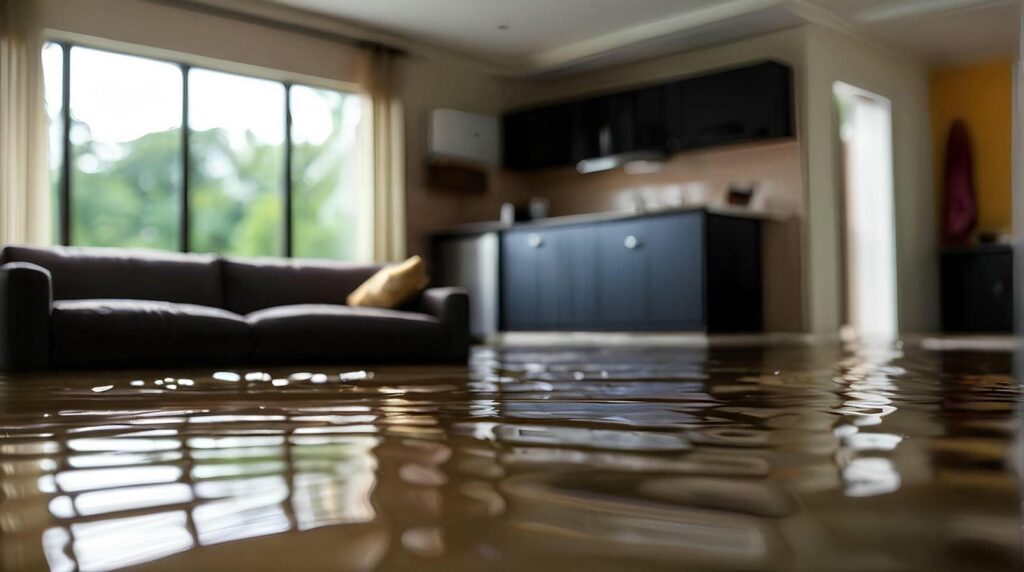
When facing an unexpected water removal emergency, it’s vital to act quickly and methodically. Start by evaluating the damage and ensuring your safety. Turning off utilities can prevent further hazards. Once you’ve done that, you can move on to removing excess water effectively. Understanding the right steps to take can make all the difference in minimizing damage and preventing mold growth. What comes next may surprise you, so let’s explore the essential tips you need.
Key Takeaways
- Quickly assess the damage and document it with photos for insurance claims before starting the removal process.
- Turn off utilities to prevent hazards from electrical appliances and water flow before addressing the situation.
- Use a wet/dry vacuum or submersible pump to remove excess water from the most affected areas efficiently.
- Enhance air circulation by opening windows, using fans, and placing dehumidifiers strategically to aid in drying.
- Contact emergency services for professional help to ensure thorough restoration and prevent future water-related issues.
Assess the Situation Quickly
When a water emergency strikes, the first step is to assess the situation quickly to ensure safety and minimize damage.
Start with an initial evaluation of the area affected. Look for signs of flooding, water leaks, or structural damage. Check if the water is clean or contaminated, as this will affect your next steps.
Conduct a damage assessment by noting the extent of water intrusion and identifying items that can be salvaged.
Prioritize the safety of yourself and others—if the situation seems dangerous, evacuate immediately. Document the damage with photos, as this will be helpful for insurance claims later.
Stay calm and focused during this process; it’s essential for effective decision-making.
By taking these steps, you’ll be better equipped to handle the emergency and connect with others who might provide support.
Turn Off Utilities
When you face a water emergency, your first step should be to turn off your utilities.
Locate the main shut-off valve to stop the flow of water, and disconnect any electrical appliances to prevent hazards.
Taking these actions quickly can help minimize damage and ensure safety.
Locate Main Shut-off Valve
In an emergency water situation, it’s essential to locate your main shut-off valve quickly to prevent further damage. This valve controls your entire water supply, so turning it off is your first line of defense.
Typically, you’ll find the main valve near the foundation of your home, often in a basement, crawl space, or near the water meter. It might be a round wheel or a lever, depending on your system.
Once you identify it, turn the valve clockwise to shut off the water. If you’re unsure where to look, having a family member or neighbor who knows your home can help.
Taking these steps ensures you minimize water damage and maintain a sense of community support in tough times.
Disconnect Electrical Appliances
As you work to address a water emergency, it’s crucial to disconnect electrical appliances to prevent potential hazards like electrical shocks or short circuits.
Start by turning off the main power supply at the circuit breaker. This safety precaution protects you and minimizes the risk of appliance damage.
Once the power is off, unplug any affected devices, such as refrigerators, microwaves, or electronics, to prevent further complications.
If you can’t safely access the circuit breaker, avoid entering the area with standing water. Remember, your safety is the top priority.
After ensuring everything is disconnected, you can focus on water removal without worrying about electrical risks. Following these steps helps create a safer environment for you and your loved ones during this stressful situation.
Remove Excess Water
Start by addressing the source of the water and quickly remove any standing water using a wet/dry vacuum or a submersible pump.
These effective water extraction methods can greatly reduce damage and speed up flood damage restoration. If you’re dealing with a flooded area, prioritize the most affected spots and work systematically.
If you have a wet/dry vacuum, make sure it’s set to the right mode for liquid removal.
For larger amounts of water, a submersible pump can be your best option. Position it at the lowest point of the affected area to maximize efficiency.
As you remove excess water, keep an eye on hidden pockets where water may collect, like behind walls or under furniture.
Dry Out Affected Areas
Once you’ve removed the excess water, it’s essential to dry out the affected areas as quickly as possible to prevent mold growth and further damage.
Start by opening windows and doors to enhance air circulation. This helps moisture absorption and speeds up the drying process. Use fans to direct airflow across damp surfaces, pushing out moisture from carpets, walls, and furniture.
Check for hidden spots where water might linger, like under cabinets and behind appliances. If you find any, focus your drying efforts there.
You can also use absorbent materials like towels to soak up any remaining moisture. Remember, the sooner you act, the less likely you’ll face extensive damage or health risks from mold.
Use Dehumidifiers and Fans
To effectively remove moisture, place dehumidifiers and fans in strategic locations.
Monitor humidity levels regularly to ensure the environment is drying properly.
Combining these tools with good airflow will enhance their effectiveness in water removal.
Optimal Equipment Placement
Effective placement of dehumidifiers and fans is essential for speeding up water removal in emergency situations.
To maximize efficiency, start by identifying the most affected areas. Place dehumidifiers in these zones, ensuring they’re not blocked by furniture or walls.
For fans, aim them towards damp surfaces to create airflow, which helps evaporate moisture quickly. Use equipment types strategically; larger dehumidifiers are better for open spaces, while smaller units work well in confined areas.
Additionally, consider placement strategies that encourage cross-ventilation. Position fans across from each other to enhance air circulation throughout the room.
Monitor Humidity Levels
Monitoring humidity levels is essential in the water removal process, as high moisture can lead to mold growth and structural damage.
To maintain effective humidity control, use dehumidifiers to extract excess moisture from the air. These devices are particularly beneficial in enclosed spaces where trapped humidity can linger.
Complement dehumidifiers with fans to enhance airflow and expedite drying. Regularly check humidity readings with a moisture monitoring device to ensure levels remain ideal.
Aim for a relative humidity of 30-60% to prevent mold and mildew. By actively managing humidity, you create a safer and healthier environment for yourself and others.
Combine With Airflow
While dehumidifiers play an essential role in removing moisture, combining them with fans greatly enhances the drying process.
By increasing airflow circulation, you create a more efficient environment for moisture evaporation. Position the fans to direct air towards the damp areas, helping the dehumidifier pull moisture from the air more effectively.
This combination speeds up drying time and prevents mold growth, which can become a concern in wet conditions. Make sure to adjust the fan settings as needed, and keep windows open if the weather permits, allowing fresh air to circulate.
Together, these tools form a powerful team in your water removal efforts, ensuring your space dries out quickly and safely.
Check for Hidden Moisture
To ensure your home is truly dry after a water emergency, you must check for hidden moisture in areas that mightn’t be immediately visible.
Start by inspecting behind appliances, under sinks, and inside cabinets where hidden leaks might occur. Use a moisture detection tool to identify damp spots in walls or floors that could signal ongoing issues.
Pay close attention to areas around windows and doors, as water often seeps in unnoticed. Remember, even small amounts of moisture can lead to mold growth and structural damage if left untreated.
Don’t forget to check your basement or crawl space, as these areas are prone to hidden leaks.
Once you’ve identified any moisture, take immediate action to dry the affected areas thoroughly. This proactive approach protects your home and provides peace of mind for you and your family.
Call for Professional Help
If you discover significant water damage or persistent moisture issues, it’s crucial to call for professional help immediately. Relying on emergency services ensures that you’re not tackling this challenge alone.
Professionals possess the right tools and expertise to assess the situation accurately and implement effective solutions.
When you contact emergency services, they’ll arrive promptly, equipped to handle water extraction, drying, and restoration. Their experience allows them to identify hidden issues, preventing future problems that could arise from unchecked water damage.
You deserve the peace of mind that comes from knowing experts are managing the situation. By hiring professionals, you’re also protecting your property’s value and ensuring a safe environment for you and your loved ones.
Don’t wait—reach out for help as soon as you notice any signs of water damage, and take the first step toward restoring your home.
Frequently Asked Questions
What Tools Are Best for Emergency Water Removal?
For emergency water removal, you’ll need a submersible pump for effective water extraction, along with moisture detection tools like hygrometers. These will ensure you identify and address any hidden moisture, protecting your space from further damage.
How Long Does It Take to Dry Out Water-Damaged Areas?
It usually takes 24 to 72 hours to dry out water-damaged areas, depending on the drying techniques used. If you’re hoping for magic, it won’t happen—patience is key while you wait for dryness!
Can I Use Regular Household Fans for Drying?
Yes, you can use regular household fans for drying, but their effectiveness may vary. Combine fan usage with other drying techniques for the best results. Ensure proper airflow to expedite drying in affected areas.
What Safety Precautions Should I Take During Water Removal?
When diving into water removal, don’t forget your safety gear! Watch out for electrical hazards; soggy socks don’t mix with live wires. Stay dry and safe while you rescue your home from the watery chaos!
How Can I Prevent Mold Growth After Water Damage?
To prevent mold growth after water damage, control humidity levels by using dehumidifiers, ensuring proper ventilation, and promptly drying out affected areas. Regularly check for leaks to maintain a mold-free environment.
Recap
In an emergency, swift action is essential for effective water removal. By quickly evaluating the situation and prioritizing safety, you set the stage for successful recovery. Using the right tools to remove water and employing dehumidifiers and fans helps prevent long-term damage. Don’t forget to check for hidden moisture, as it can lead to mold growth. If the situation feels overwhelming, calling in professionals ensures a thorough restoration and safeguards your space from future issues. Stay proactive and prepared.