
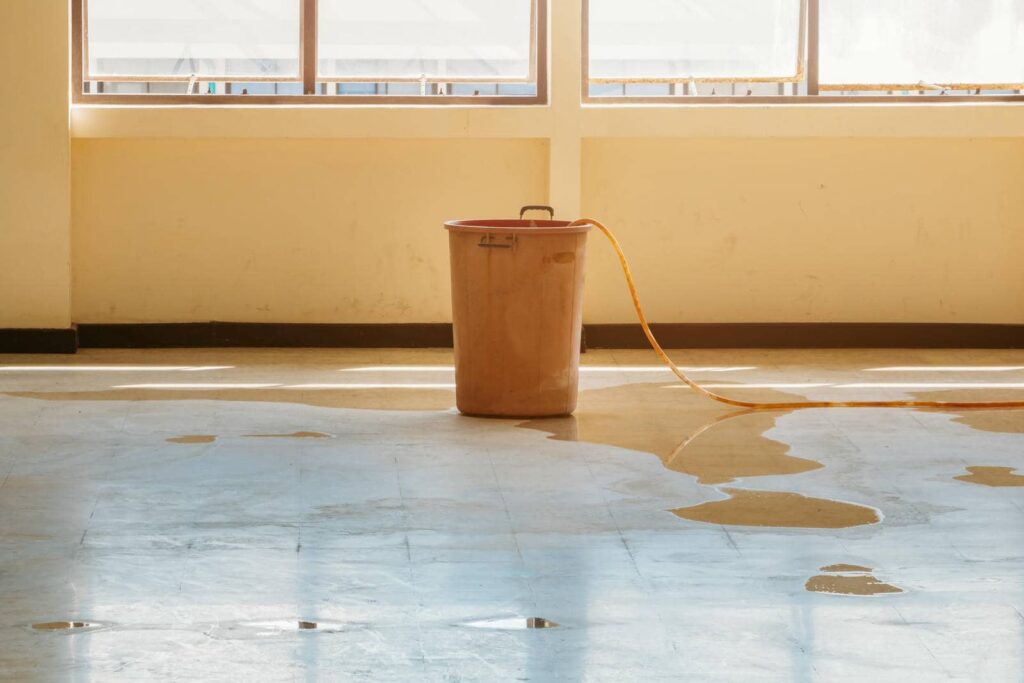
Imagine a homeowner discovers extensive water damage after a heavy storm, only to find out their insurance policy excludes flood coverage. This scenario highlights the importance of understanding your policy before filing a claim. Knowing the right steps can make a significant difference in the outcome of your claim. To navigate this complex process effectively, there are essential strategies to evaluate that could save you time and stress.
Key Takeaways
- Understand your policy coverage, including limits and exclusions, to avoid unexpected out-of-pocket costs during claims.
- Document all damage thoroughly with clear photographs, detailed evaluations, and receipts for repairs to support your claim.
- Report the incident promptly to your insurance company and keep a record of all communications related to the claim.
- Act quickly to mitigate further damage by shutting off water sources and documenting your immediate actions to prevent mold growth.
- Familiarize yourself with the claims process, maintain a timeline of interactions, and follow up regularly to prevent delays.
Understand Your Policy Coverage
Understanding your policy coverage is essential when filing a water damage insurance claim. You need to familiarize yourself with the specifics of your policy, including coverage limits and policy exclusions. These elements directly impact how much financial support you’ll receive after a water damage incident.
Coverage limits define the maximum amount your insurer will pay for damages, so it’s vital to know these figures. If the costs exceed your limits, you’ll be responsible for the difference.
On the other hand, policy exclusions outline situations or types of damage that won’t be covered, like wear and tear or flooding from outside sources.
Document the Damage Thoroughly
Once you’ve grasped your policy coverage, the next step is to document the damage thoroughly.
Start with an extensive water assessment, noting all affected areas and items. Take clear photographs from various angles, ensuring you capture the extent of the damage. Include close-ups of specific issues, like mold growth or warped flooring, to provide a detailed visual record.
Next, create a detailed damage evaluation, listing each item and its estimated cost for repair or replacement.
Don’t forget to include any structural damage, as this can greatly impact your claim. Keep receipts for any immediate repairs or mitigation efforts, as these can bolster your case.
Report the Incident Promptly
As soon as you discover water damage, it’s essential to report the incident to your insurance company without delay. Prompt notification is vital for several reasons.
First, many insurance policies have specific time frames within which you must file a claim. Delaying incident reporting could jeopardize your coverage, leading to potential denial of your claim.
Additionally, notifying your insurer quickly allows them to initiate the claims process, which can expedite repairs and reduce further damage to your property.
When you report the incident, be prepared to provide necessary details, such as the cause of the damage and any immediate steps you’ve taken to mitigate it.
Engaging with your insurer promptly demonstrates your commitment to resolving the issue and fosters a cooperative relationship that can be beneficial throughout the claims process.
Mitigate Further Damage
After experiencing water damage, it’s essential to act quickly to minimize further issues.
Documenting the damage thoroughly will support your insurance claim and help assess the extent of repairs needed.
Additionally, taking steps to prevent mold growth can save you from more extensive damage and health risks down the line.
Act Quickly After Water
When water damage occurs, acting swiftly can greatly reduce the extent of the destruction. Your immediate response is vital; every moment counts in preventing further issues like mold growth or structural damage.
Begin by shutting off the water source and turning off electricity in affected areas to ensure safety. If the situation is beyond your control, don’t hesitate to call emergency services. They have the expertise and equipment to manage water extraction and drying effectively.
Document the situation briefly as you act, noting the time and actions taken. This proactive approach minimizes damage and strengthens your position when filing an insurance claim.
Document Damage Thoroughly
Thorough documentation of water damage is essential for a successful insurance claim, and it begins immediately after the incident.
You’ll want to conduct a thorough water assessment and gather evidence to support your case. Here are three key steps to follow:
Take Photos: Capture images of all affected areas, including structural damage and personal belongings. Ensure you document the extent of the damage clearly.
Create an Inventory: List damaged items with descriptions and estimated values. This will help in the damage estimation process.
Keep Records: Maintain all correspondence with your insurance provider, along with repair estimates and receipts.
Prevent Mold Growth
To prevent mold growth, it’s essential to act quickly following water damage, as mold can develop within 24 to 48 hours in damp environments.
Start by removing excess water using pumps or wet vacuums. Dry out affected areas thoroughly, employing fans and dehumidifiers for effective humidity control.
Keep indoor humidity levels below 60 percent by monitoring with a hygrometer. Implement preventive measures, such as sealing cracks and ensuring proper ventilation in your home.
Regularly inspect areas prone to moisture, like bathrooms and basements.
By taking swift action and maintaining a dry environment, you reduce the risk of mold growth and protect your living space.
This proactive approach safeguards your health and enhances your sense of community and belonging.
Gather Supporting Evidence
To support your water damage insurance claim, you need to document the damage thoroughly.
Clear photographs of the affected areas provide essential visual evidence that can strengthen your case.
Make sure to capture all angles and details, as this will help the insurance adjuster assess the extent of the damage accurately.
Document Damage Thoroughly
Documenting water damage accurately is essential for a successful insurance claim. A thorough damage assessment strengthens your case and expedites the claim process.
Here are three key steps to follow:
List Damaged Items: Create a detailed inventory of all affected items, including descriptions and estimated values.
Record Dates and Events: Note the date of the incident and any actions taken immediately afterward, such as mitigation efforts.
Collect Receipts and Estimates: Gather any receipts for repairs or replacement items, along with professional estimates.
Take Clear Photographs
Taking clear photographs of the water damage is essential, as these images serve as important evidence for your insurance claim. Photographic evidence allows you to effectively document the extent of the damage, supporting your case with undeniable visual documentation.
Focus on capturing the affected areas from multiple angles, ensuring you provide a thorough view of the situation. Include close-ups of specific damages, such as mold growth or structural issues, to highlight the severity.
Make sure the images are well-lit and in focus—blurry or dark photos won’t convey the reality of the damage. By presenting clear and detailed photographic evidence, you strengthen your claim and foster a sense of trust and belonging with your insurance provider, enhancing your chances of a successful resolution.
Communicate Effectively With Your Insurer
Effective communication with your insurer is essential when maneuvering the complexities of a water damage claim. To ensure your claim progresses smoothly, focus on these key communication techniques that align with insurer expectations:
Be Clear and Concise: Clearly explain the details surrounding the water damage, including the cause and timeline. Avoid jargon to minimize misunderstandings.
Document Everything: Keep a record of all conversations, emails, and documents related to your claim. This helps clarify your position and provides evidence if disputes arise.
Stay Professional: Approach your insurer with a calm and respectful tone. Building a rapport can foster a more cooperative relationship, making it easier to navigate challenges.
Follow Up on Your Claim Status
While you may have submitted your water damage claim, it’s crucial to follow up on its status to ensure timely processing. Regular claim follow-up shows your commitment and helps you stay informed about your claim’s progress.
Insurers often handle numerous claims simultaneously, and your proactive approach can prevent delays.
Contact your claims adjuster or customer service representative periodically to request status updates. Make note of any important information they provide, such as estimated timelines or additional documentation requirements.
This ensures you’re prepared and can respond promptly to any requests, keeping the process moving smoothly.
Frequently Asked Questions
How Long Does the Claims Process Typically Take?
The claims process typically takes a few weeks to several months. It depends on the claims evaluation speed and the completeness of your claim documentation. Staying organized can help expedite this process, ensuring a smoother experience.
Will My Insurance Premium Increase After Filing a Claim?
Yes, your insurance premium might increase after filing a claim. Insurers often consider premium factors like claim frequency; if you file multiple claims, it could lead to higher rates, impacting your overall insurance costs considerably.
Can I Choose My Own Contractor for Repairs?
Yes, you can choose your own contractor for repairs. Just make certain their estimates align with your policy’s requirements. It’s essential to communicate with your insurer to avoid any issues during the contractor selection process.
What if My Claim Gets Denied?
If your claim gets denied, you can initiate the appeal process. Review the denial reasons carefully, then gather necessary documentation for claim resubmission. This could improve your chances of a successful outcome. Stay persistent!
Are There Specific Deadlines for Filing a Claim?
Yes, there are specific claim timelines outlined in your insurance policy. Typically, you’ll need to file your claim within a certain period after the damage occurs, so make sure you’re aware of those deadlines.
Summary
Filing a water damage insurance claim can be challenging, but being prepared makes a significant difference. By understanding your policy, documenting damage, and communicating effectively with your insurer, you can navigate the claims process more efficiently. Staying proactive and organized will help expedite your claim and ensure you receive the compensation you’re entitled to for your losses.