
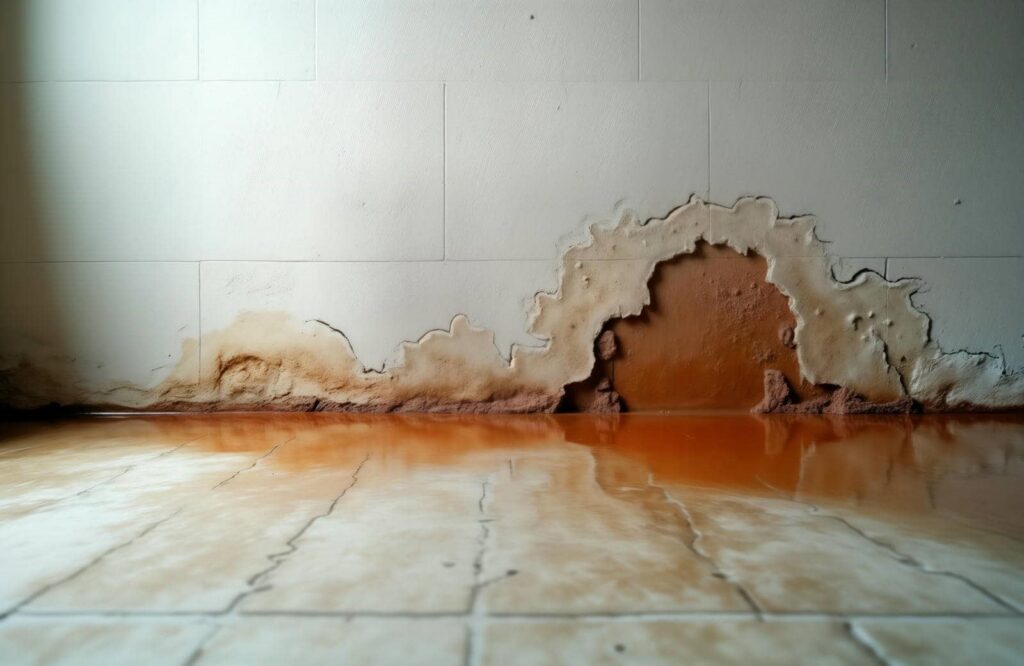
After a flood, your home can suffer serious disruption from water intrusion. Acting quickly helps reduce further damage and supports a safer recovery process. Understanding what steps to take and how professional restoration services can help is essential. So, what should you do first to support a safe and effective recovery? Let’s explore the essential aspects of emergency flood damage restoration.
Key Takeaways
- Prioritize safety by assessing your surroundings for hazards before seeking restoration services after a flood.
- Document all damage with photographs for insurance claims and future reference.
- Engage professional restoration services for accurate damage assessment and efficient water removal.
- Ensure mold remediation is part of the restoration process to protect health and property.
- Review and upgrade preventative measures, such as drainage systems, to reduce future flood risks.
Understanding Flood Damage and Its Impact
When a flood strikes, it can cause widespread damage to your property and disrupt daily life. Common causes include heavy rainfall, snowmelt, and inadequate drainage systems, which can lead to water entering areas not designed to handle excess moisture.
The effects of flooding often extend beyond visible damage. Structural materials can weaken, and lingering moisture can contribute to mold growth, which may affect indoor air quality.
Recognizing these risks is an important first step in the recovery process. Flooding can feel overwhelming, but understanding what has occurred allows you to move forward with clearer decisions and appropriate support.
Immediate Steps to Take After a Flood
After a flood, safety should remain the primary concern.
Assess your surroundings for potential hazards before taking action, and document damage carefully for insurance and recovery purposes.
These steps can help support a more organized and effective restoration process.
Safety First Measures
As floodwaters recede, focus on personal safety before entering affected areas.
Avoid standing water, as it may conceal debris or electrical hazards. Inspect the structure carefully before entering, and leave immediately if you detect signs of gas leaks or other unsafe conditions.
Wear protective gear such as gloves and sturdy footwear when handling damaged materials.
Emergency preparedness continues after flooding. Reviewing your flood insurance coverage and staying connected with neighbors and local resources can provide additional support during recovery.
Documenting Damage Effectively
Thorough documentation plays an important role in the restoration process. Begin by taking clear photographs of all damaged areas and belongings, capturing multiple angles where possible.
Create a detailed inventory of affected items, including descriptions and estimated values. This information can be helpful when communicating with insurance providers and restoration professionals.
Accurate records support clearer assessments and help keep the recovery process moving forward.
The Importance of Professional Restoration Services
Flood damage can be complex, making professional restoration services an important resource during recovery.
Trained specialists are equipped to evaluate damage accurately and take appropriate steps to restore affected areas efficiently.
Working with experienced professionals can help reduce the risk of overlooked issues and long-term complications.
Expertise in Damage Assessment
Assessing flood damage thoroughly can be challenging without specialized knowledge.
Professional restoration teams provide detailed inspections to identify visible and hidden damage that may affect structural integrity or indoor conditions.
Their assessments support informed decisions about cleanup, repairs, and next steps, helping property owners move forward with greater confidence.
Efficient Water Extraction Techniques
Water removal is a critical phase of flood restoration.
Professional services use specialized extraction equipment to remove standing water and moisture from affected areas. This process helps limit additional damage and supports more effective drying.
Relying on trained technicians ensures that water extraction is handled thoroughly, including areas that may be difficult to access without professional tools.
Key Services Offered by Flood Damage Restoration Companies
Flood damage restoration companies provide a range of services designed to support recovery after water intrusion.
These services often include:
- Comprehensive Damage Assessment
Professionals evaluate the extent of damage, including areas that may not be immediately visible. - Water Removal and Drying
Specialized equipment is used to extract water and manage moisture levels throughout the property. - Mold Remediation
Restoration teams address mold growth and take steps to reduce the risk of future development.
Together, these services help stabilize the property and support a safer restoration process.
How to Choose the Right Restoration Service Provider
Selecting the right restoration provider plays a key role in recovery.
Begin by verifying credentials, including licensing, certifications, and insurance coverage. This helps confirm that the provider meets industry standards.
Compare services, reviews, and experience with similar projects to better understand each company’s capabilities. Ask about response times and availability, especially if immediate assistance is needed.
Clear communication is equally important. A reliable provider should be willing to answer questions, explain the process, and address concerns throughout the project.
Preventative Measures to Avoid Future Flood Damage
Taking proactive steps can help reduce the risk of future flooding and water damage.
Consider the following measures:
- Install Flood Barriers
Barriers can help redirect water away from vulnerable areas of the property. - Upgrade Drainage Systems
Properly maintained gutters, downspouts, and drainage systems help manage excess water more effectively. - Improve Landscaping
Grading soil away from the foundation and using plants that absorb moisture can support better water control.
These steps help protect your property and contribute to long-term resilience.
Moving Forward After Flood Damage
Recovering from a flood involves careful planning, informed decisions, and timely action. Professional restoration services play an important role in addressing damage, managing moisture, and identifying potential concerns that may not be immediately visible.
By prioritizing safety, documenting damage, and taking preventative measures, property owners can move forward with greater confidence. Thoughtful preparation and professional support help create a stronger foundation for future protection and recovery.