
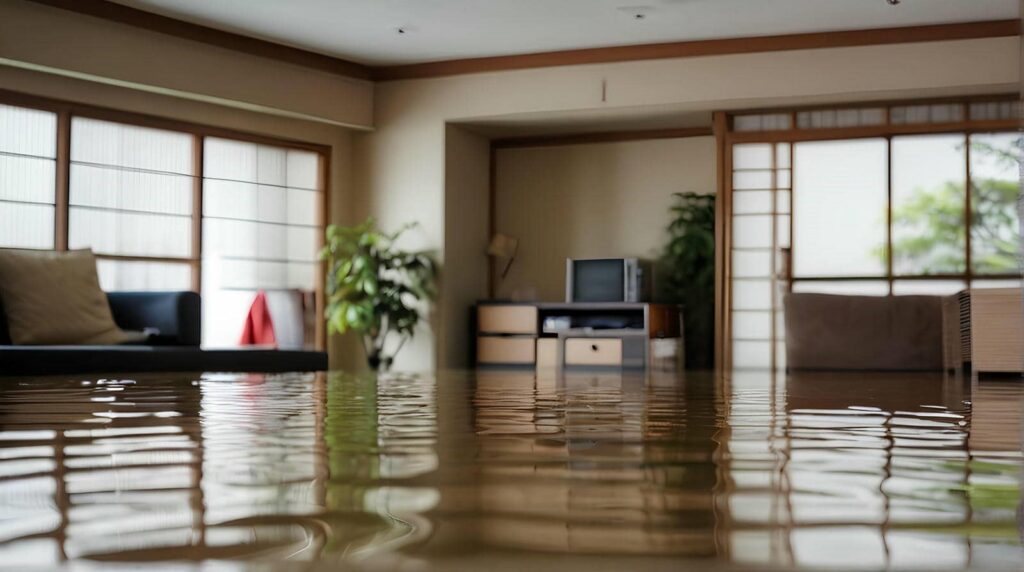
Flooding can devastate a thriving business, yet timely restoration can bring it back to life. Understanding commercial flood damage restoration is essential for minimizing losses and ensuring a swift recovery. From evaluating damage to implementing advanced water extraction techniques, each step plays an important role in restoring operations. But what happens when mold begins to take hold? Exploring the intricacies of the restoration process can reveal solutions to safeguard your property and business continuity.
Key Takeaways
- Commercial flood damage restoration involves assessing and repairing water damage to ensure structural integrity and safety for businesses.
- The process includes water extraction, mold prevention, and thorough drying to minimize long-term impacts and health risks.
- Timely restoration is crucial to prevent mold growth, structural issues, and loss of inventory, ensuring business continuity.
- Insurance claims play a significant role, requiring documentation and effective communication with adjusters for compensation.
- Choosing qualified restoration services is essential for efficient recovery and future flood risk mitigation, including regular inspections and maintenance plans.
Understanding Flood Damage in Commercial Properties
When a flood strikes your commercial property, it’s essential to understand the extent of the damage it can cause. Water intrusion can severely compromise your building’s structure, affecting everything from the foundation to electrical systems.
Mold growth can set in rapidly, presenting health risks and financial liabilities. That’s where flood insurance becomes essential; it protects against losses that standard policies often overlook.
You’ll need to assess the damage promptly to ensure compliance with commercial liability requirements. Documenting the extent of the damage aids your insurance claim and helps plan effective restoration strategies.
Engaging with experienced restoration professionals is critical. They can guide you in maneuvering the complexities of flood damage, ensuring that your property is restored efficiently and safely.
The Importance of Timely Restoration
Timely restoration after a flood is essential, as delays can exacerbate damage and increase recovery costs. When you act quickly, you minimize the long-term impact on your property and business operations.
Timely intervention is critical; it prevents mold growth, structural issues, and loss of inventory. Each moment counts, and restoration urgency can greatly influence the outcomes of your recovery process.
By prioritizing immediate action, you protect your investment and reassure your employees and clients that you’re committed to restoring normalcy.
Engaging experienced restoration professionals ensures the right techniques and equipment are used, streamlining the process. They understand the nuances of flood damage and can tailor solutions to your specific needs.
Ultimately, your quick response can make all the difference in your recovery journey, fostering a sense of community and resilience.
Don’t wait—act decisively to safeguard your business and its future.
Initial Assessment and Inspection Process
When you begin the initial assessment, focus on evaluating the severity of the damage to determine the necessary steps for restoration.
You’ll need to identify all affected areas, as each location may require different treatment and resources.
Accurate documentation at this stage is essential for effective recovery planning and insurance purposes.
Damage Severity Evaluation
An effective damage severity evaluation is essential for understanding the extent of flood-related issues in commercial properties.
You’ll begin by identifying key damage indicators, such as discoloration, mold growth, and structural weakness. Utilize various evaluation methods, including moisture meters and thermal imaging, to accurately assess the impact of water intrusion.
Documenting your findings with detailed reports helps outline the necessary restoration steps. Pay close attention to both visible and hidden damage, as both can greatly affect your property’s integrity.
Affected Areas Identification
Identifying affected areas during the initial assessment is essential for effective flood damage restoration in commercial properties.
Start with flood zone identification to determine which areas are most susceptible to water intrusion. Inspect the entire property, focusing on basements, ground floors, and any low-lying sections.
Conduct a thorough property vulnerability assessment, examining structural integrity, electrical systems, and HVAC units for potential damage. Document the findings meticulously to guide restoration efforts.
Water Extraction Techniques
Effective water extraction is essential in commercial flood damage restoration, as it directly impacts the recovery process and minimizes long-term structural damage. You’ll want to use various water-removal methods to ensure every drop is captured efficiently.
Start with advanced extraction techniques, like truck-mounted pumps, which can swiftly remove large volumes of water. These powerful units offer quick and effective solutions for deep water accumulation.
For smaller areas, consider using submersible pumps and wet vacuums, as they can access tight spots that larger equipment might miss.
Don’t forget about specialized tools like moisture meters, which help you identify hidden pockets of water that could lead to mold growth if left untreated.
Drying and Dehumidification Methods
Once water extraction is complete, it’s crucial to implement effective drying and dehumidification methods to prevent secondary damage, such as mold growth and structural weakening.
You’ll want to utilize advanced drying equipment, like industrial air movers and dehumidifiers, to accelerate the evaporation process. These devices work in tandem to reduce humidity levels and enhance airflow throughout affected areas.
Consider employing dehumidification techniques that suit your specific environment. For instance, low-grain refrigerant dehumidifiers are ideal for cooler spaces, while desiccant dehumidifiers excel in warmer conditions.
Monitor moisture levels with hygrometers to ensure ideal drying progress.
Mold Prevention and Remediation
Mold prevention is essential in commercial flood damage restoration, as even small amounts of moisture can lead to significant growth.
Implementing effective remediation techniques helps eliminate existing mold and protect your property from future infestations.
Importance of Mold Prevention
While you may focus on restoring your property after a flood, neglecting mold prevention can lead to significant complications down the line.
Mold growth thrives in damp environments, making it essential to implement effective prevention strategies right away. Start by thoroughly drying out affected areas within 24-48 hours to inhibit mold spores’ development. Use dehumidifiers and fans to maintain ideal humidity levels.
Additionally, inspect for leaks and seal any gaps to prevent moisture intrusion. Regularly cleaning and maintaining HVAC systems can also help reduce mold risks.
Effective Remediation Techniques
When dealing with flood damage, implementing effective remediation techniques is essential to ensure long-term safety and stability in your property.
Start with a thorough flood cleanup, ensuring all standing water is removed promptly to prevent mold growth. Utilize specialized restoration equipment, like dehumidifiers and air movers, to dry affected areas efficiently.
Next, inspect for mold growth in hidden spaces, such as behind walls and under flooring. If you discover mold, use commercial-grade mold removal products, following safety guidelines.
Seal any leaks and address moisture issues to prevent future occurrences. Regularly monitor humidity levels and maintain proper ventilation to create an environment that discourages mold development.
Taking these steps protects your property and fosters a sense of belonging in your safe, restored space.
Long-term Solutions and Maintenance
To ensure lasting protection against mold growth after flood damage, implementing long-term solutions and maintenance strategies is key.
You’ll want to focus on preventive measures and conduct routine inspections to ascertain that your space remains mold-free. Here are some effective strategies:
Control humidity: Keep indoor humidity below 60% using dehumidifiers and proper ventilation.
Seal potential leaks: Regularly inspect roofs, windows, and plumbing to identify and repair leaks before they lead to mold growth.
Implement regular cleaning: Establish a routine for cleaning and maintaining areas prone to moisture, such as basements and bathrooms.
Structural Repairs and Restoration
Restoring a commercial property after flood damage demands meticulous attention to structural repairs and restoration.
You’ll need to assess the structural integrity of your building to identify any compromised elements, such as beams, walls, or foundations. Using high-quality repair materials is essential; they ensure your property withstands future risks while maintaining safety and functionality.
Start by removing any waterlogged materials, then replace them with durable options suited to your environment.
Reinforcing existing structures may involve adding support beams or utilizing advanced techniques like carbon fiber wrapping for enhanced strength.
Don’t overlook the importance of moisture barriers and proper drainage systems to prevent future flood-related issues.
A thorough approach addresses immediate concerns and fosters a sense of security and belonging within your business community, ensuring you can continue serving your clients effectively.
Focus on building a resilient foundation for the future.
Insurance Claims and Coverage
How can you navigate the often complex landscape of insurance claims following flood damage? Understanding your policy’s coverage limits is essential.
Start the claims process promptly to ensure timely compensation. Here are key steps to take into account:
Document Everything: Record damage with photos and videos, and keep all receipts related to repairs and restoration.
Review Your Policy: Familiarize yourself with your coverage limits and specific flood-related exclusions.
Communicate Effectively: Maintain open lines with your insurance adjuster and provide all requested documentation swiftly.
Choosing the Right Restoration Service
When facing the aftermath of flood damage, which restoration service should you choose? Start with a thorough restoration service comparison.
Look for companies that specialize in commercial properties and have a proven track record in flood damage restoration. Check their expert qualifications; certifications from organizations like the Institute of Inspection, Cleaning, and Restoration Certification (IICRC) can indicate a commitment to industry standards.
Next, evaluate their response time and equipment. Fast action is vital to minimize damage, so choose a service that offers 24/7 availability. Inquire about their drying techniques and mold prevention strategies, as these can greatly affect long-term outcomes.
Finally, don’t hesitate to ask for references or case studies from past clients. This transparency fosters trust and helps you feel secure in your choice.
Frequently Asked Questions
How Long Does Commercial Flood Damage Restoration Typically Take?
Typically, the restoration timeline for commercial flood recovery ranges from a few days to several weeks, depending on damage severity. You’ll want to act quickly to minimize further issues and ensure a successful recovery.
What Are the Costs Associated With Flood Damage Restoration?
Flood damage restoration costs vary widely, often influenced by your flood insurance coverage and available restoration grants. You’ll want to assess the damage thoroughly, ensuring you’re prepared for potential unexpected expenses during the process.
Can I Stay in My Building During Restoration?
You shouldn’t stay in your building during restoration. The process can involve hazardous materials and structural risks. Prioritize staying safe while professionals restore your space effectively and efficiently, ensuring a secure environment for your return.
What Types of Equipment Are Used in Restoration?
When water’s a relentless enemy, you’ll need specialized tools. Restoration experts use water extraction pumps and powerful drying equipment to effectively remove moisture, ensuring your space returns to its safe, functional state swiftly and efficiently.
How Can I Prevent Future Flooding in My Commercial Property?
To prevent future flooding, implement effective flood prevention techniques like installing property drainage solutions, maintaining gutters, and ensuring proper landscaping. Regular inspections and proactive maintenance can considerably reduce your risk of flooding and protect your investment.
Final Thoughts
When flood damage strikes, you face the chaos of disruption versus the promise of restoration. Acting swiftly, you can transform a flooded commercial space into a thriving hub once again. With expert assessment, advanced water extraction, and diligent mold prevention, you’ll ensure your property recovers and thrives. Don’t let water dictate your future; choose the right restoration service and reclaim your business’s integrity and functionality today. Your swift action today can shape a resilient tomorrow.