
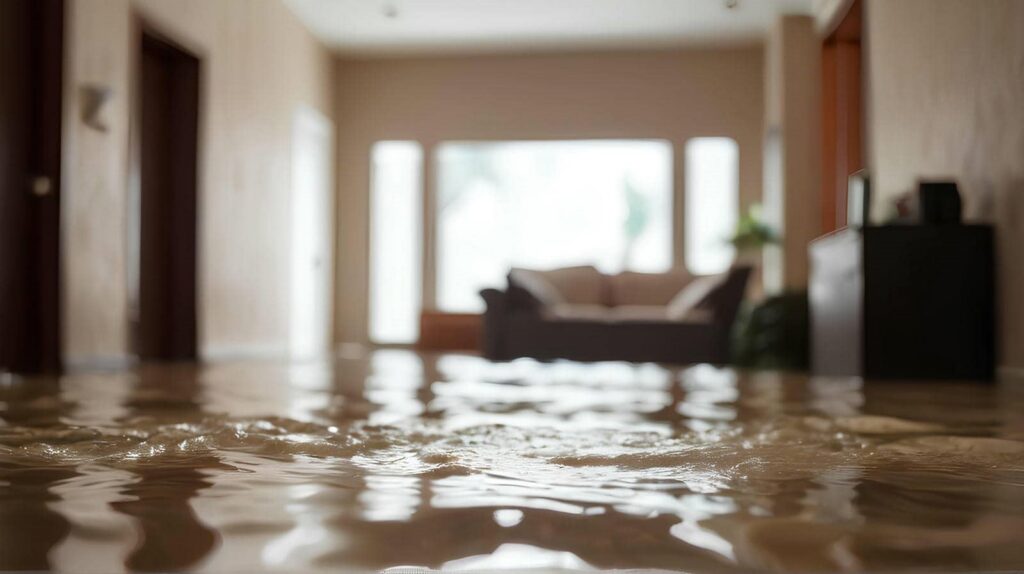
Steering through the water damage insurance process is essential for homeowners facing potential financial burdens. Understanding your policy coverage, documenting damages, and adhering to timelines can greatly influence the outcome of your claim. Each step requires careful attention and proactive engagement. If you overlook any detail, it could impact your compensation. Consider what strategies can help you effectively advocate for your rights in this complex landscape.
Key Takeaways
- Navigating the water damage insurance process ensures you understand your policy coverage and exclusions, helping you avoid unexpected expenses.
- Proper documentation of damage supports accurate claims, reducing the likelihood of delays or denials from your insurance provider.
- Effective communication with adjusters fosters collaboration, increasing the chances of a fair assessment and resolution of your claim.
- Understanding common challenges in the claims process empowers you to advocate for yourself, ensuring your rights are protected.
- Engaging professional restoration services can streamline communication with insurers, facilitating timely recovery and peace of mind during the restoration process.
Understanding Your Insurance Policy
When you face water damage, understanding your insurance policy is essential, as it directly affects your ability to recover financially. Take the time to thoroughly review your policy, focusing on key areas like coverage limits and policy exclusions.
Coverage limits define the maximum amount your insurer will pay for damages, so it’s vital to know these figures before an incident occurs. If your losses exceed these limits, you’ll bear the financial burden.
Additionally, policy exclusions can greatly impact your claims process. Certain types of water damage, such as flooding or gradual leaks, may not be covered, leaving you vulnerable. Familiarizing yourself with these exclusions will help you make informed decisions about additional coverage options.
Documenting the Damage
When documenting water damage, you need to create detailed records to support your insurance claim.
Collect various types of evidence, such as photographs, repair estimates, and receipts, to substantiate your case.
Organizing this documentation efficiently will help streamline the claims process and ensure you don’t miss important details.
Importance of Detailed Records
Accurate documentation of water damage is essential for a successful insurance claim. When you provide detailed documentation, you support your claim and enhance its accuracy.
Start by taking clear photos of the damage, noting the date and time. Keep an extensive record of all repairs, including receipts and invoices. This meticulous approach helps insurers understand the extent of the damage and the necessary repairs.
Additionally, documenting conversations with contractors and adjusters can clarify any discrepancies later on. By maintaining these records, you create a strong case for your claim, increasing the likelihood of a favorable outcome.
In this process, your attention to detail fosters trust and a sense of belonging within the insurance community.
Types of Evidence Needed
Documenting water damage requires specific types of evidence to support your insurance claim effectively.
Proper evidence collection can considerably strengthen your case. Here are four critical items you should gather:
Photographic Documentation: Take clear, detailed photos of the damage from multiple angles to capture the extent of the issue.
Written Descriptions: Record a detailed account of the damage, including dates and specific locations.
Repair Estimates: Obtain written estimates from contractors to demonstrate the financial impact.
Witness Statements: Gather statements from anyone who witnessed the damage or its aftermath, adding credibility to your claim.
Organizing Documentation Efficiently
To ensure a smooth insurance claim process, efficiently organizing your documentation is essential. Start by categorizing your documents, such as photos of the damage, repair estimates, and communication with your insurance company.
Use a consistent naming convention for files, making retrieval easier when you need to reference them. Create a dedicated folder—either digital or physical—for all related materials to enhance document organization.
Consider implementing efficient filing systems, like chronological order or by damage type, to streamline your process. Regularly update this folder as new information arises, ensuring you have a thorough record.
This meticulous approach supports your claim and fosters a sense of control and belonging during a stressful time.
Filing a Claim: Step-by-Step Guide
Filing a water damage insurance claim involves several vital steps that can greatly affect the outcome of your request for compensation.
To navigate the claim process effectively, follow these steps:
Notify Your Insurance Company: Contact your insurer as soon as possible to report the damage and initiate the claim process.
Document the Damage: Take clear photos and videos of the affected areas. This will serve as vital evidence during the damage assessment.
Complete the Claim Form: Fill out any required forms accurately and thoroughly, providing all necessary details about the incident and damages.
Keep a Record: Maintain a log of all communications with your insurer, including dates, times, and names of representatives you’ve spoken with.
Working With Adjusters
After you’ve submitted your claim, working with insurance adjusters becomes a significant part of the process. Establishing clear communication with the adjuster is essential; it helps ensure your concerns are addressed and that you understand what’s happening at each stage. Be proactive in reaching out for updates or clarification.
When negotiating with adjusters, having solid negotiation strategies will serve you well. Gather all relevant documentation, including photos and repair estimates, to support your case. Present your findings calmly and logically, emphasizing the facts. This approach can foster mutual respect, making it easier to reach an agreement.
Moreover, remember that adjusters often handle multiple claims. Patience and understanding can go a long way in building a cooperative relationship.
Common Challenges in Water Damage Claims
While managing water damage claims, you may encounter several common challenges that can complicate the process. Understanding these can help you navigate your insurance negotiations more effectively.
Documentation Issues: Inadequate or unclear documentation of water mitigation efforts can lead to claim delays or denials.
Coverage Confusion: Not fully understanding your policy’s coverage can result in unexpected out-of-pocket expenses.
Adjuster Discrepancies: Differences in opinions between your findings and the adjuster’s assessment can create friction during negotiations.
Timeliness of Response: Delays in reporting damage can hinder your claim and affect your eligibility for full compensation.
Recognizing these challenges early can empower you to advocate for yourself and ensure that your needs are met throughout the claims process.
Importance of Timely Action
Taking swift action following water damage is essential for both mitigating further loss and ensuring a smoother claims process. A timely response can greatly reduce the extent of damage, preventing mold growth and structural deterioration.
When you act quickly, you protect your property and enhance your standing with your insurance provider. Insurers often favor prompt reporting, which can lead to a more favorable outcome for your claim.
Additionally, documenting the damage immediately after it occurs aids in damage mitigation. This documentation serves as a crucial piece of evidence that supports your case, verifying the extent and nature of the damage.
By prioritizing timely action, you establish a stronger foundation for your claim while fostering a sense of community among others who may be facing similar challenges.
Preventing Future Water Damage
To effectively prevent future water damage, you need to implement regular maintenance checks throughout your property.
Evaluating your drainage solutions and ensuring they function properly are essential steps in mitigating risks.
Additionally, employing waterproofing techniques can safeguard your home against potential water intrusion.
Regular Maintenance Checks
Regular maintenance checks are essential for preventing future water damage, as they allow you to identify potential issues before they escalate.
By incorporating routine inspections into your home care, you implement effective preventive measures.
Here are four key areas to focus on during your checks:
Roof and Gutters: Inspect for leaks, debris, or blockages that can trap water.
Plumbing: Look for signs of wear, leaks, or corrosion in pipes and fixtures.
Basements and Crawl Spaces: Check for excess moisture or signs of mold growth.
Appliances: Confirm washing machines, dishwashers, and water heaters are functioning properly and are leak-free.
Proper Drainage Solutions
When you prioritize proper drainage solutions, you greatly reduce the risk of future water damage in your home. Effective drainage systems are essential for managing water flow, directing it away from your foundation, and preventing pooling around your property.
Start by evaluating your yard’s slope; it should guide water away from your home. Installing gutters and downspouts helps collect roof runoff, while French drains can alleviate excess water in vulnerable areas.
Regularly inspect these systems for blockages or damage to ensure they function at their best. By investing time and resources in these solutions, you safeguard your home from potential water damage and foster a sense of security and belonging within your community of homeowners.
Waterproofing Techniques
Although many homeowners focus on immediate repairs after water damage occurs, implementing effective waterproofing techniques is crucial for preventing future issues.
By taking proactive measures, you can protect your home and enhance its longevity. Here are four key techniques:
Basement sealing: Apply high-quality sealants to walls and floors to prevent moisture infiltration.
Exterior barriers: Install drainage systems and waterproof membranes around your foundation to redirect water away.
Gutter maintenance: Regularly clean and repair gutters to ensure proper water flow and prevent overflow.
Grading: Ascertain that landscaping slopes away from your home’s foundation to minimize water pooling.
Seeking Professional Help for Restoration
Seeking professional help for restoration is essential to effectively mitigate water damage and ensure your property is restored to its pre-loss condition. When you face water damage, the urgency to act can be overwhelming, but relying on restoration services can make a significant difference.
These experts possess the professional expertise needed to assess the extent of the damage, remove moisture, and prevent further issues such as mold growth. They utilize advanced equipment and techniques, ensuring a thorough and efficient restoration process.
Additionally, their familiarity with the insurance claims process can streamline communication with your insurance provider, helping you navigate potential complexities. By engaging professionals, you enhance the likelihood of a successful restoration and gain peace of mind.
In a challenging time, knowing you have skilled individuals on your side fosters a sense of security and belonging, reinforcing the importance of community support during recovery.
Frequently Asked Questions
How Long Does the Insurance Claim Process Typically Take?
The insurance claim process typically takes a few weeks to several months, depending on claim documentation completeness and adjuster communication efficiency. Staying organized and promptly responding to requests can help expedite your claim resolution.
Will My Premiums Increase After Filing a Water Damage Claim?
Yes, filing a water damage claim can lead to premium adjustments. If you frequently submit claims, insurers might raise your premiums considerably, impacting your financial landscape. Always consider the long-term effects before proceeding.
Can I Choose My Own Restoration Contractor?
Yes, you can choose your own restoration contractor, but check your insurance policy first. Understanding your contractor selection options helps ensure you receive quality service while aligning with your insurance requirements for restoration.
What Happens if My Claim Is Denied?
If your claim’s denied, some may be approved upon appeal. Investigate denial reasons carefully, gather additional evidence, and submit a well-structured claim appeal. Persistence often leads to successful outcomes in overcoming insurance challenges.
Are There Specific Deadlines for Filing a Water Damage Claim?
Yes, there are specific deadlines for claim submission. Each policy has limitations, often requiring you to file within a certain timeframe after the damage occurs. Check your policy details to ascertain timely submission and avoid complications.
Conclusion
Steering through the water damage insurance process might feel like climbing Everest, but it’s absolutely essential for your financial survival. You can’t afford to ignore the intricacies of your policy, or you risk losing thousands. By meticulously documenting damages and promptly filing your claim, you’re not just participating—you’re taking charge of your recovery journey. Don’t let confusion or delays drown you; seize control and ensure your home’s restoration is as seamless as a calm, clear lake after a storm.