
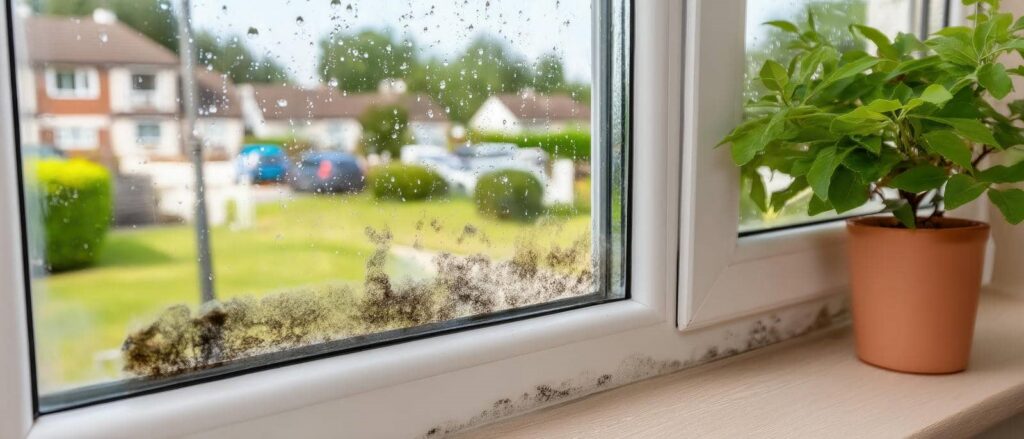
When it comes to mold remediation, you need to act swiftly and decisively. Start by identifying moisture sources and evaluating the extent of the growth. Then, use effective removal techniques to ensure safety and thoroughness. Finally, implement preventive measures to keep mold from returning. Understanding these key components is essential, but there’s more to effective remediation than just following steps. Let’s explore how you can tackle this challenge effectively.
Key Takeaways
Identify and Address Moisture Sources: Fix leaks and improve ventilation to eliminate the root cause of mold growth.
Conduct a Thorough Mold Assessment: Evaluate the extent of mold infestation to determine the appropriate remediation methods needed.
Use Proper Removal Techniques: Employ HEPA vacuuming and non-toxic solutions while wearing protective gear to safely remove mold.
Contain Affected Areas: Seal off contaminated spaces to prevent mold spores from spreading during the remediation process.
Implement Preventive Measures: Maintain indoor humidity below 60% and regularly inspect for moisture to prevent future mold issues.
Quickly Identify and Address Moisture Sources
To effectively combat mold, you must quickly identify and address moisture sources in your environment.
Start with a thorough moisture assessment; check areas like basements, bathrooms, and kitchens where humidity often accumulates. Look for leaks, condensation, or poor ventilation that may contribute to excess moisture.
Source identification is essential—consider plumbing issues, roof leaks, or even high indoor humidity levels. Use a hygrometer to measure humidity and pinpoint problem areas.
Once you identify these sources, take immediate action to mitigate them. Fix leaks, improve ventilation, and use dehumidifiers when necessary.
Effective Mold Removal Techniques: What You Need to Know
After addressing moisture sources, the next step is effective mold removal. Start with a thorough mold assessment to determine the extent of the infestation.
Use appropriate remediation methods, such as HEPA vacuuming for surfaces and non-toxic solutions for porous materials. For larger infestations, consider enlisting professionals to ensure safety and compliance with regulations.
Always wear protective gear, including masks and gloves, to safeguard your health. Remember, containment is essential; seal off affected areas to prevent spores from spreading.
After removal, dispose of contaminated materials properly. Regular inspections will help maintain a mold-free environment.
How to Stop Mold From Coming Back: Preventive Measures
While you may have successfully removed mold, preventing its return requires ongoing vigilance and proactive measures. Start by confirming your home has effective ventilation systems in place. Proper airflow reduces moisture buildup, a key factor in mold growth.
Regularly check and maintain these systems to ensure they’re functioning efficiently.
Humidity control is equally essential. Keep indoor humidity levels below 60% by using dehumidifiers or air conditioners, especially in damp areas like basements and bathrooms.
Seal any leaks in pipes, roofs, or windows to prevent water intrusion.
Regularly inspect your home for signs of moisture and mold, addressing any issues promptly.
Frequently Asked Questions
How Long Does Mold Remediation Typically Take?
Mold remediation typically takes anywhere from a few days to a week, depending on the extent of mold growth and the remediation process. You’ll want to ensure thoroughness for long-lasting results and safety.
Can I Perform Mold Remediation Myself?
Yes, you can perform mold remediation yourself, but it’s essential to follow DIY techniques and safety precautions. Think of it as crafting a shield; protecting your home while ensuring your health remains intact and strong.
What Health Risks Are Associated With Mold Exposure?
Mold exposure can trigger mold allergies, respiratory issues, and skin irritation. Prolonged contact may lead to long-term effects on your immune response and increase the risk of toxic exposure, affecting your overall health and well-being.
How Much Does Professional Mold Remediation Cost?
Professional mold remediation costs typically range from $500 to $6,000. Factors influencing mold remediation pricing include the infestation’s size, location, and severity, as well as your property’s accessibility and necessary safety measures.
What Should I Do if I Find Hidden Mold?
If you find hidden mold, act fast like a detective uncovering clues. Use hidden mold detection methods, seal off affected areas, and implement mold prevention strategies to keep your space safe and healthy.
Summary
Tackling mold effectively is like catching a leak before it floods your home. By quickly identifying moisture sources, using proper removal techniques, and implementing preventive measures, you can safeguard your space. Just as a small crack in a dam can lead to disaster, neglecting mold issues can escalate into a much larger problem. Stay proactive with regular inspections, and you’ll keep your environment safe and healthy, minimizing the risk of mold’s unwelcome return.