
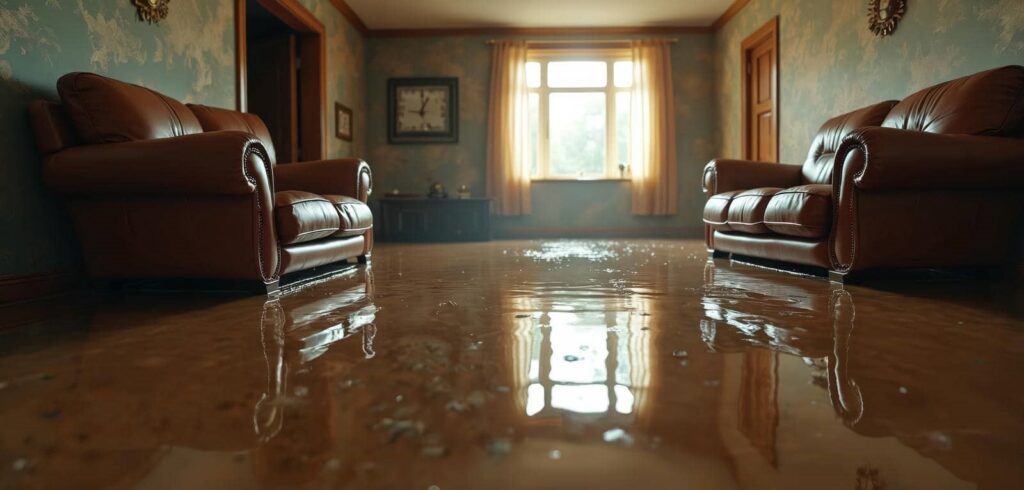
Water damage can ruin your home faster than a burst pipe can flood your basement. To safeguard your property, it’s vital to understand the underlying causes and implement effective preventive measures. From routine plumbing checks to advanced drainage solutions, there are numerous strategies you can adopt. By addressing these factors proactively, you can maintain your home’s structural integrity and avoid costly repairs. Discover the essential steps you need to take to protect your investment.
Key Takeaways
- Regularly inspect plumbing and roofing to identify and repair leaks before they cause significant damage.
- Install quality drainage systems to redirect water away from the property and prevent flooding.
- Maintain indoor humidity levels below 60% to inhibit mold growth and moisture accumulation.
- Implement waterproofing solutions, like membranes and exterior coatings, to protect vulnerable areas such as basements.
- Utilize smart home technology for real-time moisture monitoring and alerts to proactively address potential issues.
Understanding the Causes of Water Damage
Water damage can occur unexpectedly, often stemming from a variety of sources that you mightn’t immediately recognize. Common water sources include leaky pipes, overflowing toilets, and damaged roofs.
You might also face issues from natural environmental factors, such as heavy rainfall or flooding, which can overwhelm drainage systems. Additionally, humidity can contribute to mold growth, silently damaging your home’s structure.
It’s essential to understand these causes so you can better protect your living space. Regular maintenance checks on plumbing and roofing, as well as monitoring weather conditions, can help you identify potential threats before they escalate.
Preventive Measures for Water Damage
To effectively prevent water damage, you need to implement several key strategies.
Regular maintenance checks can identify potential leaks before they escalate, while proper drainage systems help redirect water away from your property.
Additionally, monitoring indoor humidity levels guarantees that moisture doesn’t accumulate, reducing the risk of mold and structural damage.
Regular Maintenance Checks
Although many homeowners overlook it, conducting regular maintenance checks is essential for preventing water damage. By performing routine inspections, you can identify potential issues before they escalate.
Start with seasonal checks; inspect your roof, gutters, and downspouts for debris accumulation and damage. Look for leaks in pipes and faucets, as even small drips can lead to bigger problems. Pay attention to your home’s foundation; verify there’s no standing water that could cause structural damage.
Additionally, check appliances like washing machines and dishwashers for signs of wear. Keeping a detailed log of these inspections will help you track any emerging issues.
Install Proper Drainage Systems
Regular maintenance checks set the stage for addressing more complex issues like drainage.
To effectively prevent water damage, focus on proper drainage system installation and design. Here are key elements to take into account:
Evaluate Site Conditions: Assess your property’s topography to determine natural water flow patterns.
Install Gutters and Downspouts: Make sure they direct water away from the foundation to prevent pooling.
Use French Drains: These systems can redirect groundwater away from sensitive areas, protecting your home.
Regularly Clean Drains: Remove debris to maintain ideal flow and prevent blockages.
Implementing these strategies enhances your property’s resilience against water damage, fostering a sense of community awareness and proactive care within your neighborhood.
Monitor Indoor Humidity Levels
Monitoring indoor humidity levels is essential for preventing water damage, as high humidity can lead to mold growth and structural issues.
To achieve effective humidity control, consider installing moisture sensors that alert you when levels rise above 60%. Guarantee proper air circulation by using fans or opening windows to facilitate airflow.
If you notice persistent humidity, dehumidifier usage can greatly lower moisture levels, protecting your home.
Additionally, be mindful of indoor plants; while they can improve air quality, they also release moisture, so keep an eye on their impact.
Installing Quality Drainage Systems
When it comes to protecting your property from water damage, installing quality drainage systems is essential for effective water management.
Understanding various drainage system types and ensuring their effective installation can make a significant difference.
Here are four key considerations:
Surface Drains: These collect rainwater from paved surfaces, preventing pooling.
French Drains: Ideal for directing groundwater away from your foundation.
Channel Drains: Effective for managing water flow in driveways and patios.
Sump Pumps: Vital for areas prone to flooding, removing excess water quickly.
Waterproofing Solutions to Prevent Water Damage
How can you effectively safeguard your property from water damage? Start by installing waterproof membranes and vapor barriers in critical areas like basements.
Proper basement sealing prevents moisture infiltration, while foundation barriers protect against external water pressure.
Don’t overlook exterior coatings that repel water and enhance durability. Confirm your roof has adequate flashing to direct water away from vulnerable areas.
Install rain gutters and drainage tiles to manage runoff efficiently. Check window seals regularly to prevent leaks, and consider landscape grading to direct water away from your foundation.
Essential Plumbing Maintenance Tips
Plumbing systems are the backbone of your home’s infrastructure, and regular maintenance is vital to prevent costly water damage.
By staying proactive, you can avoid issues like pipe leaks and sewer backups. Here are four essential tips to keep your plumbing in top shape:
Schedule Regular Plumbing Inspections: Check for drainage issues and verify everything functions properly.
Monitor Water Pressure: High water pressure can stress pipes, leading to leaks. Use a pressure gauge for accuracy.
Conduct Seasonal Checks: Inspect hose bibs and pipe insulation to prepare for changes in temperature.
Perform Fixture Maintenance: Address faucet repairs promptly to prevent slow leaks and water waste.
Landscaping Strategies to Prevent Water Accumulation
Effective landscaping can greatly reduce water accumulation around your home, ensuring proper drainage and minimizing the risk of water damage. Focus on drainage design, soil grading, and strategic plant selection. Implement gravel placement to enhance absorption and consider berm construction to redirect water flow.
Retention ponds can be effective for larger areas, while efficient irrigation management prevents overwatering. Ground cover plants can stabilize soil and reduce runoff. Contour landscaping allows you to work with the natural landscape, guiding water away from your foundation.
Here’s a quick reference table to help you implement these strategies:
| Strategy | Description |
|---|---|
| Drainage Design | Optimize pathways for water flow |
| Soil Grading | Adjust slopes for effective drainage |
| Plant Selection | Choose native plants for better absorption |
| Gravel Placement | Use gravel to enhance drainage |
| Berm Construction | Create barriers to redirect water |
Using Smart Home Tech for Water Monitoring
As water damage risks escalate, integrating smart home technology for water monitoring becomes essential. By leveraging advanced systems, you can protect your home and guarantee peace of mind.
Here are four key features to evaluate:
Smart Sensors: Install moisture detection sensors in vulnerable areas to identify leaks early.
Automated Alerts: Receive instant notifications on your smartphone via app integration, keeping you informed of potential issues.
Real-Time Monitoring: Use systems that provide continuous data tracking, allowing you to manage your home’s climate control effectively.
Remote Access: Monitor your property from anywhere, ensuring prompt responses to any detected leaks or moisture concerns, while benefiting from preventive notifications when risks arise.
Embrace smart tech to safeguard your home against water damage.
Sump Pump Maintenance Tips
To keep your sump pump functioning effectively, establish a regular inspection schedule.
You’ll want to check the power source to guarantee it’s working properly and clean the filter regularly to prevent clogs.
These simple steps can greatly reduce the risk of water damage in your home.
Regular Inspection Schedule
Regular inspections are essential for maintaining your sump pump’s efficiency and preventing water damage.
Implementing a regular inspection schedule allows you to utilize the latest inspection technology and conduct seasonal assessments effectively.
Here are four tips to keep your sump pump in prime condition:
Monthly Visual Checks: Inspect for any visible wear, rust, or debris around the pump.
Test the Pump: Pour water into the pit to verify the pump activates and drains properly.
Clean the Filter: Remove and clean the filter to maintain peak performance.
Annual Professional Service: Schedule a yearly inspection by a qualified technician to identify potential issues before they escalate.
Check Power Source
After verifying your sump pump is in good working order through regular inspections, checking the power source is essential for reliable operation.
Start by confirming that your pump is plugged into a functioning outlet. If you experience frequent power surges, consider using a surge protector to safeguard your pump from damage. This not only prolongs its life but also guarantees it operates effectively when you need it most.
Additionally, inspect the circuit protection, making sure the circuit breaker is compatible with the sump pump’s requirements. If you notice tripped breakers, it may indicate an overload or other issues that need addressing.
Keeping these elements in check helps maintain your sump pump’s reliability and protects your home from potential water damage.
Clean Filter Regularly
One key aspect of sump pump maintenance is cleaning the filter regularly to guarantee peak performance.
Regular filter maintenance guarantees unobstructed water flow, preventing potential failures during heavy rain or flooding.
Here’s how to effectively clean your sump pump filter:
Disconnect Power: Always unplug the sump pump before starting any maintenance.
Remove the Filter: Carefully take out the filter, noting its orientation for reinstallation.
Clean the Filter: Rinse it under clean water, using a soft brush to remove any debris or sediment buildup.
Reinstall the Filter: Place the filter back in its original position, confirming it’s secure before reconnecting the power.
How to Create an Emergency Response Plan
Creating an effective emergency response plan is essential for minimizing the impact of water damage on your property. Start with a thorough risk assessment to identify vulnerable areas and potential sources of water intrusion. Document these risks clearly, so everyone understands what to watch for.
Next, establish communication protocols that detail how you and your team will share information during an emergency. Make sure everyone knows their roles and responsibilities, ensuring a swift response.
Regularly review and practice this plan, so everyone feels confident and prepared. By fostering a culture of awareness and readiness, you not only protect your property but also strengthen your community’s resilience against water damage. Together, you can effectively mitigate risks and respond to emergencies.
When to Call Water Damage Experts for Help
Recognizing the signs of water damage is essential for maintaining your property’s integrity.
If you notice persistent leaks, unusual odors, or visible mold growth, it’s time to act.
In emergency situations, such as significant flooding or burst pipes, calling water damage experts immediately can prevent further complications.
Signs Of Water Damage
When you notice unexplained stains on walls or ceilings, it’s vital to act quickly, as these can be early signs of water damage. Ignoring these signs can lead to serious issues like hidden mold or structural damage.
Here are some key indicators to watch for:
Water Stains: Discoloration on walls or ceilings may indicate leaks from burst pipes or leaky roofs.
Damp Walls: Persistent moisture can suggest condensation issues or plumbing failures.
Basement Flooding: Regularly check for pooling water, which can signal foundation cracks or drainage problems.
Appliance Leaks: Inspect areas around appliances for signs of water damage, as they can be a source of unexpected leaks.
If you notice any of these signs, calling water damage experts is important.
Emergency Response Situations
Even a minor leak can escalate into a major disaster if not addressed promptly, so knowing when to call water damage experts is essential.
If you notice significant water pooling, mold growth, or structural damage, don’t hesitate to reach out for professional help.
It’s vital to implement crisis communication among household members, ensuring everyone understands the situation’s severity.
If the damage poses a risk to safety, follow evacuation procedures immediately.
Water damage experts can assess the situation, provide necessary remediation, and prevent further complications.
Remember, acting swiftly not only protects your property but also fosters a sense of security within your home.
Trust the professionals to manage water-related crises effectively—your peace of mind is worth it.
Frequently Asked Questions
How Often Should I Inspect My Home for Water Damage?
You should inspect your home for water damage at least twice a year. Regular water leak detection and moisture monitoring can help you catch issues early, ensuring a safe and comfortable environment for you and your family.
Can Insurance Cover Water Damage Prevention Efforts?
Insurance can sometimes cover water damage prevention efforts, but it depends on your policy coverage. Always review deductible considerations; investing in preventative measures might save you more than future claims, keeping your home safe and sound.
What Are the Signs of Hidden Water Damage?
You’ll notice signs of hidden water damage through unexpected mold growth, peeling paint, or warped floors. Using leak detection systems and moisture monitoring devices can help identify issues before they escalate into significant problems.
How Do I Choose the Right Waterproofing Products?
To choose the right waterproofing products, compare waterproofing materials, analyze their durability, and evaluate application methods. Focus on performance ratings and customer reviews to guarantee you select the best option for your needs.
What DIY Solutions Exist for Minor Water Damage Prevention?
You can install effective drainage systems and sump pumps to prevent minor water damage. Guarantee proper grading around your home and regularly check these systems to maintain their efficiency and safeguard your living space.
Wrap-Up
By implementing these strategies, you can considerably reduce the risk of long-term water damage. For instance, consider the Smiths, who installed a smart moisture sensor in their basement. When it detected rising humidity, they promptly addressed a leaky pipe, preventing extensive damage. Regular maintenance, quality drainage systems, and smart tech not only shield your home but also save you from costly repairs down the line. Stay proactive, and protect your investment for years to come.