
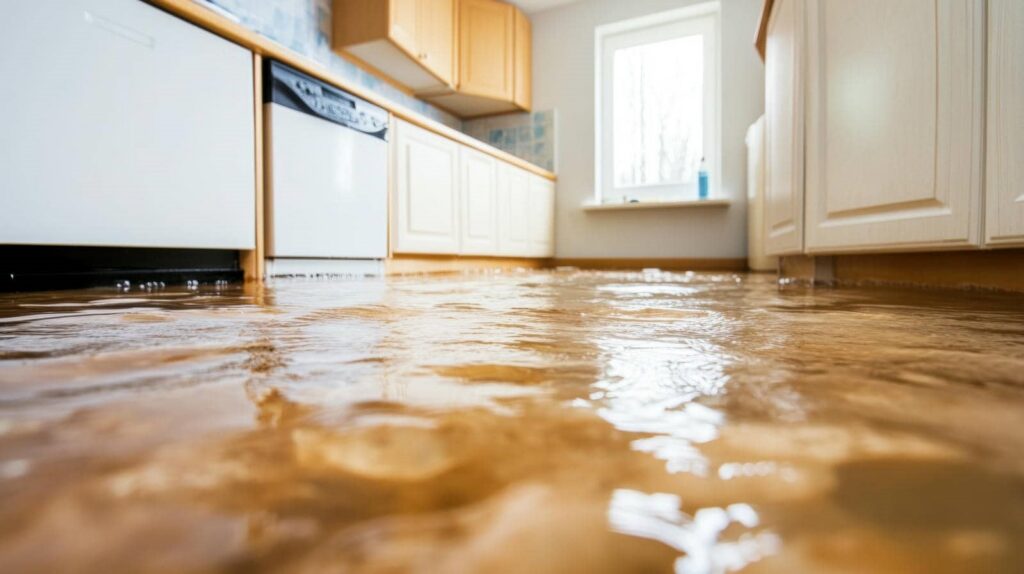
Many homeowners underestimate how quickly water damage can escalate, leading to costly repairs and health risks. Regular roof inspections and clean gutters are just the start; there’s much more to safeguarding your home. You’ll want to understand the common sources of water damage, effective detection systems, and proper drainage strategies. Plus, knowing how to respond in emergencies can save you time and money. Let’s explore these essential tips for protecting your home.
Key Takeaways
- Regularly inspect and maintain your roof to identify and fix leaks before they cause damage.
- Keep gutters clear to prevent overflow and ensure proper drainage away from your home.
- Monitor plumbing for leaks and perform routine maintenance on appliances to avoid failures.
- Invest in a reliable water damage detection system with moisture sensors in high-risk areas.
- Ensure proper landscaping and drainage to redirect water away from your foundation.
Common Sources of Water Damage in Homes
When it comes to protecting your home, understanding common sources of water damage is essential. One major culprit is a leaky roof, often overlooked during seasonal maintenance. Regularly inspect your roof for any signs of wear or damage.
Clogged gutters can also lead to overflow and water pooling, so keep them clear. Additionally, plumbing failures, such as burst pipes or faulty appliances, can cause significant issues. It’s wise to check these regularly, especially in older homes.
Don’t forget about the basement; groundwater intrusion can occur during heavy rains. To safeguard against these risks, consider investing in flood insurance.
What to Look for in Water Damage Detection Systems?
How can you guarantee your home is equipped to detect water damage early? Start by investing in a reliable water damage detection system.
Look for leak detection devices that provide real-time alerts, allowing you to respond quickly to issues. Moisture sensors are essential; they should be placed in high-risk areas like basements, kitchens, and bathrooms.
Choose systems that connect to your smartphone, so you can monitor your home, even when you’re away. Make sure the sensors have a long battery life and are easy to install.
Regularly test the system to confirm it’s functioning correctly. By taking these steps, you’ll create a safety net for your home, helping you feel secure and connected to your space.
Keep Your Plumbing and Appliances in Top Shape
To prevent water damage, maintaining your plumbing and appliances is essential. Start by checking for any leaks in your pipes; even small drips can lead to significant issues over time.
Insulate your pipes, especially those in unheated areas, to prevent freezing and bursting in colder months.
Regular appliance maintenance is vital, too. Clean your dishwasher and washing machine filters to guarantee they function properly and check hoses for wear or bulges.
Don’t forget your water heater; flushing it yearly helps remove sediment buildup.
Ensure Proper Drainage Around Your Home
Ensuring proper drainage around your home is essential for preventing water damage, especially during heavy rains. Effective drainage systems and correct landscape grading can make a significant difference. Make sure your gutters are clean and downspouts direct water away from your foundation. A slight slope in your yard can help channel water away, protecting your home and creating a welcoming outdoor space.
Here’s a quick overview of effective drainage strategies:
| Strategy | Benefits | Emotional Impact |
|---|---|---|
| Regular Gutter Cleaning | Prevents overflow | Peace of mind |
| Landscape Grading | Redirects water | Sense of security |
| Downspout Extensions | Moves water away | Home protection |
| French Drains | Reduces flooding risk | Community pride |
How to Respond Quickly to Water Emergencies?
When a water emergency strikes, quick action can save your home from significant damage. Here’s what you should do:
Shut Off the Water: Locate your main water valve and turn it off immediately to stop the flow.
Contact Emergency Services: If the situation is severe, don’t hesitate to call emergency contacts for professional help.
Remove Items: Quickly move furniture, electronics, and personal belongings away from the water to prevent further damage.
Dry the Area: Use towels, mops, or a wet/dry vacuum to soak up excess water.
Open windows and use fans to promote airflow.
Frequently Asked Questions
How Often Should I Inspect My Home for Water Damage?
You should inspect your home for water damage at least twice a year. Regular checks help with water leak detection and guarantee moisture barriers are intact, preventing costly repairs and maintaining a safe, welcoming space for everyone.
What Insurance Covers Water Damage Incidents?
Homeowner policies typically cover sudden water damage, but flood insurance is essential for flood-related incidents. Check your coverage limits to guarantee you’re protected against various water damage scenarios, safeguarding your home and peace of mind.
Are There Specific Plants That Can Help With Drainage?
Yes, certain drainage plants like cattails and bulrushes thrive in wet soil. They absorb excess water, improving drainage. When selecting, consider your soil types; each plant prefers specific conditions to effectively manage moisture levels.
How Can I Tell if My Basement Is at Risk?
Check for moisture detection tools and monitor humidity levels. Make certain your basement ventilation’s effective; stagnant air can lead to dampness. Regularly inspect walls and floors for signs of water, like discoloration or mold growth.
What DIY Methods Can Prevent Water Damage?
Think of your home like a ship; you’ve gotta patch the leaks. Regular leak detection and gutter maintenance keeps water out, ensuring your space stays dry and welcoming for everyone who steps inside.
Wrap-Up
By staying proactive, you can turn the tide against potential water damage in your home. Regular inspections and maintenance are your trusty shields, while a good water detection system acts as an early warning siren. With proper drainage and plumbing care, you’re building a fortress against leaks. So, don’t wait for the storm; take these steps today to protect your castle and guarantee peace of mind for years to come. Your home deserves the best defense!