
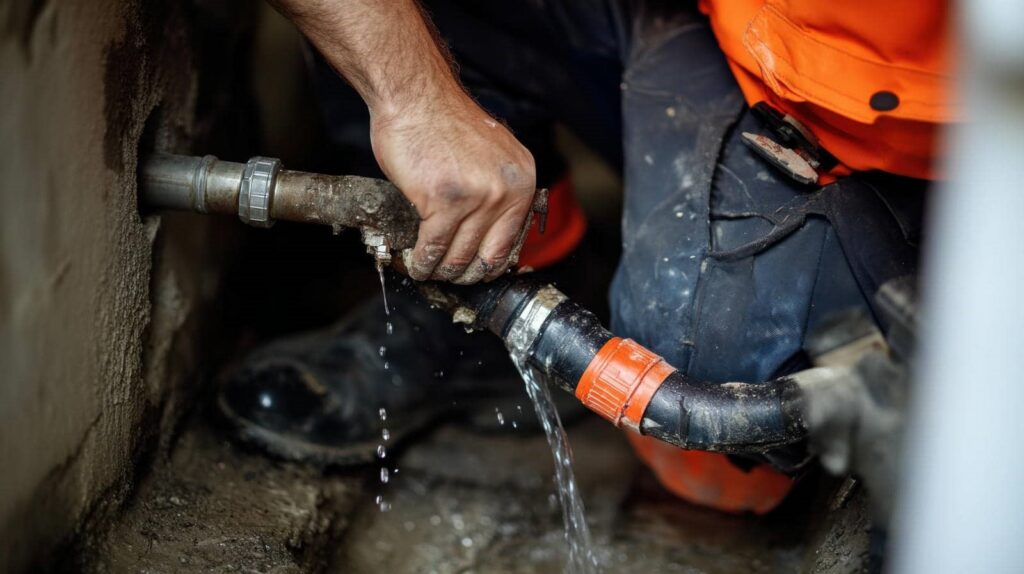
When a pipe bursts in your basement, you need the right tools at your fingertips to tackle the mess efficiently. Essential items like sturdy gloves, safety goggles, and a wet/dry vacuum are vital for both safety and effective cleanup. You might wonder how to choose the best equipment and ensure you’re prepared for the unexpected. Understanding these tools can make all the difference in restoring your space quickly and safely.
Key Takeaways
- Use sturdy gloves and safety goggles to protect against hazards during burst pipe cleanup.
- A wet/dry vacuum is essential for efficiently extracting standing water from affected areas.
- Employ a pipe wrench and utility knife for securing and removing damaged pipes and materials.
- Utilize absorbent towels for final cleanup to ensure thorough moisture removal.
- Keep first aid supplies on hand to address any potential injuries during the cleanup process.
What Tools Do You Need for Burst Pipe Cleanup?
When tackling a burst pipe cleanup, gathering the right tools is vital for efficiency and safety.
Start with a sturdy pair of gloves and safety goggles to protect yourself during the process. A pipe wrench is essential for securing and removing damaged pipes, while a utility knife helps in cutting away any damaged materials.
You’ll also need a wet/dry vacuum for effective water removal, and absorbent towels for final cleanup. For larger areas, consider a moisture meter to assess the extent of water damage.
Employing proper cleanup techniques will ensure thoroughness, and conducting a pipe assessment helps identify potential future issues.
With the right tools, you’ll foster a safer and more effective cleanup experience.
The Importance of Water Extraction Pumps
Water extraction pumps are vital tools for efficiently removing excess water after a burst pipe incident.
Understanding the different types of pumps available, along with their performance and efficiency, can greatly impact your cleanup efforts.
Additionally, being aware of safety considerations during pump operation is important to ensure a safe and effective restoration process.
Types of Water Extraction Pumps
Understanding the different types of water extraction pumps is essential for effective cleanup after a burst pipe. Each pump type offers unique benefits, making it vital to choose the right one for your situation.
| Pump Type | Description |
|---|---|
| Submersible Pumps | Designed to operate underwater, these pumps efficiently remove water from flooded areas. |
| Positive Displacement Pumps | Move water by trapping it in a chamber and forcing it out, ideal for thick or viscous fluids. |
| Centrifugal Pumps | Use rotational energy to move water, suitable for large volumes in less confined spaces. |
| Diaphragm Pumps | Utilize a flexible diaphragm, great for precise control and handling various liquids. |
Selecting the right pump can greatly enhance your cleanup efforts, ensuring a quicker return to normalcy.
Pump Efficiency and Performance
While choosing the right water extraction pump is vital, evaluating its efficiency and performance can make all the difference in a successful cleanup.
You’ll want to focus on performance metrics like flow rate, head height, and energy consumption. High-efficiency pumps expedite water removal while reducing operational costs.
Regular pump maintenance is essential; it ensures that your pump operates at peak efficiency and extends its lifespan. Keep an eye on wear and tear, and address issues promptly to avoid costly breakdowns.
By understanding these factors, you can choose a pump that meets your specific needs, assuring a swift and effective response to burst pipe incidents.
Your investment in quality equipment pays off in more ways than one.
Safety Considerations During Use
When dealing with burst pipe incidents, prioritizing safety during the use of water extraction pumps is critical.
Start by conducting a thorough hazard assessment to identify potential risks, including electrical hazards and structural integrity issues.
Make certain to wear appropriate personal protective equipment (PPE), such as gloves and goggles, to shield against chemical exposure from contaminated water.
Ascertain the work area is well-ventilated, especially if you’re dealing with hazardous materials.
Familiarize yourself with the pump’s operation and safety features to avoid accidents.
Regularly inspect equipment for leaks or malfunctions, and always follow manufacturer guidelines.
How to Use Moisture Meters for Burst Pipe Cleanup?
Moisture meters are essential tools for effectively evaluating and managing water damage after a burst pipe.
To start, use moisture detection techniques to identify affected areas, focusing on walls, floors, and ceilings. Confirm your meter is properly calibrated; follow the meter calibration tips provided by the manufacturer to ensure accurate readings.
Once you’ve identified moisture levels, document your findings to track progress throughout the cleanup process.
Be vigilant in retesting areas to validate drying effectiveness, as lingering moisture can lead to mold growth.
How to Pick the Best Dehumidifiers for Your Needs?
How can you choose the best dehumidifier for your needs? Start by evaluating the space you need to dry.
Consider the dehumidifier features, such as capacity, which indicates how much moisture removal it can handle in a day. For smaller areas, a compact unit may suffice, while larger spaces require a high-capacity model.
Look for models with built-in humidity sensors for automatic operation and energy efficiency. Additionally, check the noise level to ensure it won’t disrupt your activities.
Some units offer continuous drainage options, which can save you time during prolonged use.
Finally, read customer reviews to gauge reliability and performance. Selecting the right dehumidifier will greatly enhance your burst pipe cleanup efforts.
Key Safety Gear for Cleanup
When tackling burst pipe cleanup, using the right safety gear is vital.
You’ll need essential protective equipment, including gloves and goggles, to shield yourself from contaminants.
Additionally, selecting proper footwear and implementing respiratory safety measures will ensure you’re protected throughout the process.
Essential Protective Equipment
Although dealing with a burst pipe can be chaotic, having the right protective equipment is essential for ensuring your safety during cleanup. Start with protective clothing to shield yourself from contaminants.
Safety goggles are critical for eye protection, especially when identifying hazards that may arise. When it comes to gloves selection, choose materials that resist chemicals and provide a firm grip.
Implement workspace organization to keep tools accessible and minimize accidents. Don’t forget about first aid supplies; you never know when you might need them.
Finally, respiratory masks are important if you’re working in areas with potential airborne contaminants. Prioritizing chemical safety and using effective protective gear helps create a safer environment for you and your team.
Proper Footwear Selection
Choosing the right footwear is essential for your safety during burst pipe cleanup, as it helps prevent slips, falls, and injuries.
Opt for water resistant boots to protect against moisture and contaminants, ensuring your feet stay dry and comfortable throughout the task. Look for models that feature slip resistant soles; these will provide better traction on wet surfaces, reducing the risk of accidents.
A snug fit is vital, as loose footwear can be a tripping hazard. Additionally, consider boots with reinforced toes for extra protection against falling debris.
Investing in quality footwear enhances your safety and fosters a sense of belonging within your team, as everyone prioritizes effective, secure cleanup practices.
Respiratory Safety Measures
After ensuring your feet are protected with proper footwear, the next step in your cleanup gear should focus on respiratory safety measures.
Maintaining good air quality is essential during a burst pipe cleanup, as contaminants can pose serious health risks.
Consider the following key items for respiratory protection:
N95 Respirators: These filter out airborne particles effectively, ensuring you breathe cleaner air.
Half-Face Masks: Ideal for prolonged use, they provide a snug fit and can accommodate filters for specific hazards.
PAPR (Powered Air-Purifying Respirators): These offer a higher level of protection and are suitable for environments with significant airborne contaminants.
How to Repair and Restore Pipes Effectively?
When a pipe bursts, your immediate focus should be on effective repair and restoration to prevent further damage. Start by identifying the leak’s source and shutting off the water supply.
Next, assess the extent of the damage. For small cracks, consider using epoxy putty as a temporary fix. For more significant issues, you might need to employ plumbing repair methods like pipe replacement or using couplings.
Familiarize yourself with pipe restoration techniques, such as slip lining or trenchless repair, which can save time and reduce disruption. Always make sure you’re using materials compatible with your existing plumbing.
After repairs, monitor for leaks, and don’t hesitate to consult a professional if you’re unsure about any step. Your proactive approach can save you headaches down the line.
Frequently Asked Questions
How Quickly Should I Act After a Pipe Bursts?
You should act immediately after a pipe bursts. Your emergency response involves shutting off the water supply, evaluating the damage, and contacting a professional. Quick, decisive actions can minimize further complications and damages.
Can I Handle Cleanup Myself or Hire Professionals?
You can tackle cleanup yourself using effective techniques, but be cautious. Ensure your safety first—wear gloves and boots. If the damage feels overwhelming, hiring professionals might save you time and stress in the long run.
What Are the Signs of Mold Growth After a Burst Pipe?
You’ll notice mold growth through musty odors, discoloration on walls, and condensation. For effective mold detection, monitor moisture control in affected areas to prevent further issues. Act quickly to maintain a healthy living environment.
How Do I Prevent Future Pipe Bursts?
To prevent future pipe bursts, ensure proper pipe insulation, maintain temperature regulation, conduct regular maintenance, monitor pressure, check drainage systems, and perform seasonal checks. These steps create a secure, reliable plumbing system you can trust.
What Insurance Coverage Is Available for Water Damage?
You can typically find coverage for water damage in homeowners’ insurance policies. Review your policy details, as they often include provisions for insurance claims related to burst pipes, leaks, and other water-related incidents.
Wrap-Up
In the dance of cleanup after a burst pipe, your tools are the orchestra, each playing its part to restore harmony. As you wield your wet/dry vacuum like a maestro, remember that safety gear is your protective armor against chaos. With moisture meters guiding your way and dehumidifiers composing a symphony of dryness, you can transform the aftermath into a well-orchestrated recovery. Embrace the rhythm of restoration, and let each tool lead you to a successful cleanup.