
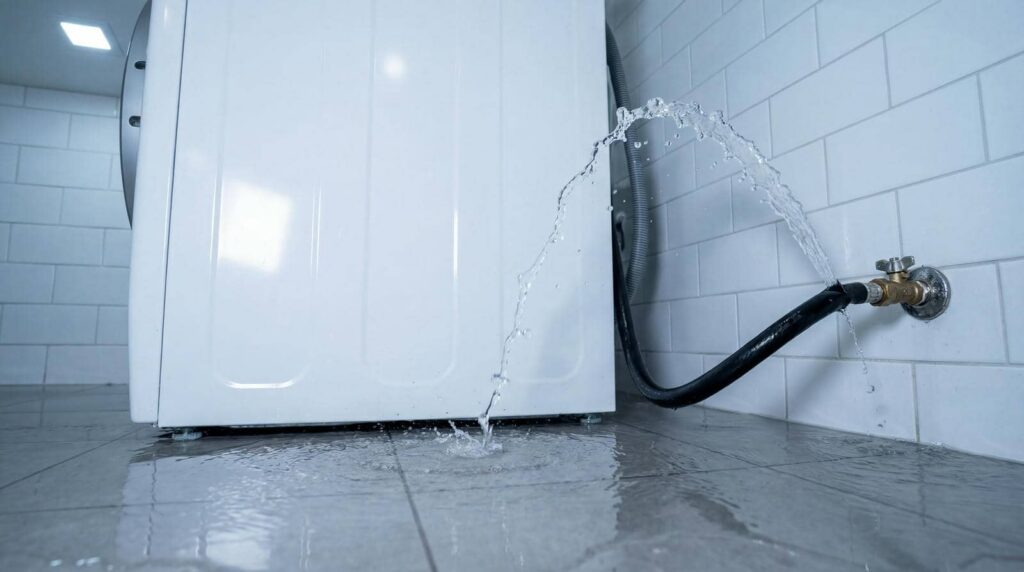
A burst pipe can keep releasing hidden water into walls and subfloors even after the visible flow slows. You need to act in a strict order: shut off the main supply, cut power if water is near outlets, protect yourself, remove standing water, and start controlled drying. If you skip a step or do it out of sequence, you can increase structural damage, contamination risk, and repair cost—so the next actions matter.
Key Takeaways
- Shut off the main water supply immediately and verify the flow has stopped at the nearest faucet.
- Keep clear of standing water, wear protective gear, and turn off electricity only from a dry, safe location.
- Document all visible damage with photos and notes before starting cleanup or moving belongings.
- Remove water from the lowest point first, then lift rugs and raise furniture to limit further damage.
- Dry the area with fans and dehumidifiers, and call restoration professionals for extensive damage or affected electrical systems.
What to Do First After a Burst Pipe
When a pipe bursts, shut off your home’s main water supply immediately to stop additional flooding and limit structural damage.
Then assess the area methodically. Keep everyone clear of standing water, wet ceilings, and slippery floors. If water is spreading near valuables, move items only when pathways are stable and unobstructed.
Next, document visible damage with photos and note leak locations, water depth, and affected materials. This record supports repair decisions and insurance reporting.
Retrieve your emergency kit and use towels, buckets, or tarps to contain spread where possible. Increase airflow with fans if conditions are dry and stable.
Begin a basic pipe inspection from a safe distance, looking for cracks, joint failures, or bulges. By acting calmly and systematically, you help protect your home and everyone in it.
Turn Off Water and Power Safely
Before you enter the affected area, shut off the main water valve completely and verify that flow has stopped at the nearest faucet. If you can’t reach the valve without stepping into standing water, stop and call emergency contacts or your utility provider for guidance.
Put on safety gear, including insulated gloves and non-slip boots, before approaching panels or switches.
Next, disconnect electricity only if you can do so from a dry location. Use your home’s main breaker to cut power to affected circuits, and never touch outlets, cords, or appliances that may be energized.
If the panel is damp, corroded, or inaccessible, don’t force access; wait for a licensed electrician. By following these steps, you protect yourself, your household, and the response team working alongside you safely.
Remove Water After a Burst Pipe
Once you’ve stopped the water source and isolated electrical hazards, start removing standing water immediately to limit structural damage and reduce mold risk. Use a wet/dry vacuum, pump, or mops, depending on depth and room access.
Work methodically so your household stays safe and coordinated.
Extract water fast: Begin water extraction at the lowest point, then move outward to prevent spread into adjoining areas.
Protect materials: Lift rugs, move furniture onto blocks, and remove soaked items that can trap water against surfaces.
Document conditions: During removal, perform a quick damage assessment by noting water depth, affected rooms, and visible staining.
If water reached ceilings, insulation, or wall cavities, stop and call a qualified restoration team.
You’re taking the same disciplined steps professionals use to protect your home and everyone in it.
Dry Out Burst Pipe Water Damage
Standing water removal is only the first phase; you now need to dry the structure and contents thoroughly to stop hidden moisture from damaging framing, drywall, insulation, and flooring.
After water extraction, increase airflow with fans, open interior doors, and run dehumidifiers continuously. Keep electricity off in affected zones unless circuits are confirmed safe.
You should remove damp rugs, lift furniture legs, and pull baseboards where trapped water is likely. Use a moisture meter to check wall cavities, subfloors, and studs, then document readings to track progress.
In our community of prepared homeowners, moisture control means verifying dry standards, not guessing.
Reposition equipment daily, empty dehumidifier reservoirs as needed, and maintain steady indoor temperatures so evaporation continues efficiently until all affected materials reach acceptable moisture levels.
Know When to Save Items or Call Pros
Because burst-pipe water can migrate into porous materials and concealed spaces, you need to decide quickly which items are salvageable and when professional restoration is the safer choice.
Use disciplined salvage strategies to protect your home and support insurance claims.
Save nonporous items like metal, glass, and sealed plastic if you can wash, disinfect, and dry them completely within 24–48 hours.
Discard high-risk materials such as insulation, particleboard, mattresses, and swollen drywall; they trap moisture and can support microbial growth.
Call certified pros when water reaches electrical systems, HVAC cavities, subfloors, or multiple rooms, or when you detect odor, staining, or hidden dampness.
Document every item with photos, dates, and condition notes.
You’re not handling this alone; prompt, methodical action helps keep your household safer together.
Frequently Asked Questions
How Can I Prevent Pipes From Bursting Again in Winter?
Prevent future winter bursts by installing pipe insulation, sealing drafts, maintaining consistent heat, and scheduling winter maintenance. You’ll protect vulnerable pipes, reduce freeze risk, and keep your home’s plumbing system safer, stronger, and community-ready.
Will Homeowners Insurance Cover Burst Pipe Damage and Repairs?
Yes, your insurance policy often covers sudden burst pipe damage and repairs, but exclusions vary. You should document losses, mitigate hazards, and follow the claim process promptly, so you protect your home and stay aligned.
How Long Does Burst Pipe Repair Usually Take?
You’ll usually see pipe repair take 2–8 hours, though major damage can stretch longer. Like restoring a breached lifeline, you’ll need fast emergency response, isolation, drying, replacement, pressure testing, and safe system restart together.
What Causes Pipes to Burst in the First Place?
You’ll see pipes burst when frozen pipes create pressure build up, poor insulation exposes lines to sudden temperature shifts, old plumbing weakens, and tree roots intrude. You should inspect vulnerable sections early to protect your home.
How Much Does It Cost to Fix a Burst Pipe?
You’ll typically pay $150 to $1,500, depending on pipe location, material, and water damage. To protect your home and community standards, compare repair costs, confirm plumbing fees, and prioritize licensed, safety-compliant professionals before authorizing work.
Summary
When a pipe bursts, you need to act fast and methodically: shut off water, cut power, extract standing water, and dry the space completely. FEMA notes mold can begin growing within 24 to 48 hours, so every minute counts. Think of your home like a ship after a hull breach—if you seal, pump, and ventilate quickly, you prevent deeper loss. If damage spreads beyond surface materials, don’t hesitate to call qualified restoration professionals immediately for safe recovery.