
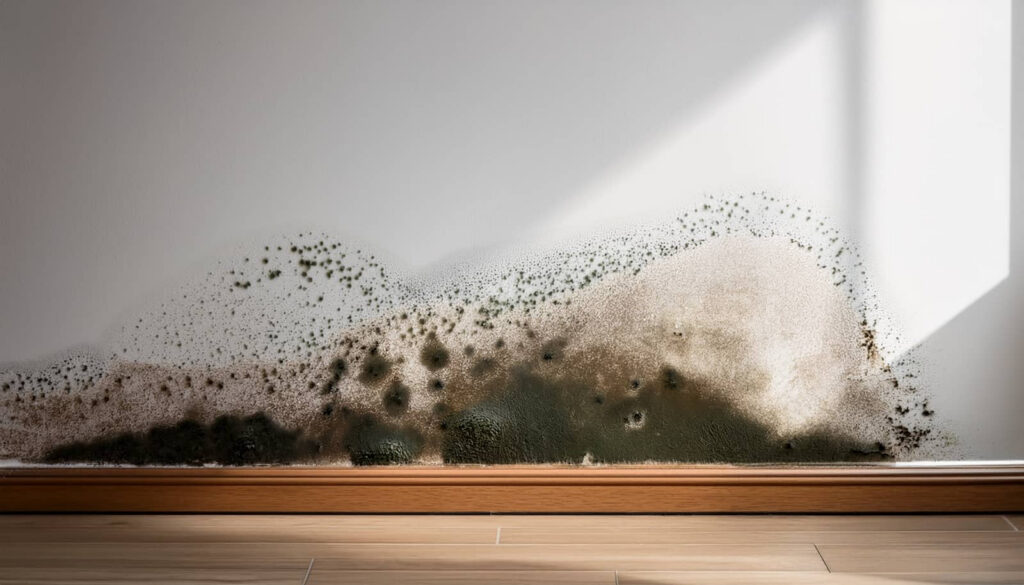
You can’t solve water damage by drying surfaces alone, because mold can continue growing where moisture remains. Mold Removal After Water Damage means identifying hidden wet areas, assessing contamination, isolating the space, removing affected materials, and treating surfaces with approved methods. You also need to dry the structure to the proper moisture levels so growth doesn’t return. The key issue isn’t just what you can see, it’s what may already be spreading behind it.
Key Takeaways
- Mold removal after water damage is the process of identifying, containing, cleaning, and drying areas where mold grows after moisture intrusion.
- It begins by stopping the water source, assessing damage, and checking moisture levels in affected materials like drywall, wood, carpet, and insulation.
- Proper removal uses containment, negative air pressure, HEPA vacuuming, antimicrobial treatment, and protective equipment to prevent mold spread.
- Mold can begin growing within 24 to 48 hours in damp conditions, especially where humidity, organic material, and poor airflow persist.
- Professional help is recommended for large infestations, sewage contamination, hidden mold, recurring odors, or health symptoms in occupants.
What Mold Removal After Water Damage Involves
Begin mold removal after water damage with a controlled assessment of the affected area, because effective remediation depends on identifying the moisture source, measuring the extent of contamination, and isolating materials that can’t be safely cleaned.
Next, you establish containment, use negative air pressure, and wear proper PPE so everyone involved stays protected and aligned with safe practice.
You classify mold types, document affected surfaces, and decide which porous materials require disposal versus restoration.
Then you apply removal techniques such as HEPA vacuuming, damp wiping, selective demolition, and antimicrobial treatment where appropriate.
After cleanup, you dry the structure to target moisture levels and verify that contamination hasn’t spread.
Signs You Need Mold Removal After Water Damage
Once you understand the remediation process, the next step is recognizing when water damage has created conditions that warrant mold removal. You should act if you see discoloration spreading on drywall, baseboards, ceilings, or around HVAC vents.
A persistent musty odor, even after drying, often signals hidden growth behind surfaces. You also need professional evaluation if materials stay damp, paint bubbles, wood warps, or caulk stains return.
Use basic mold identification techniques, such as checking porous materials, tracking moisture readings, and documenting changes over several days. If anyone in your household experiences irritation, coughing, or worsened allergies indoors, don’t ignore those health risks.
Why Mold Grows Fast After Water Damage
Because water damage leaves behind the three conditions mold needs most—moisture, organic material, and limited airflow—growth can start within 24 to 48 hours if you don’t dry the area completely.
When wet drywall, wood, carpet, or insulation stay damp, they feed mold spores already present in your indoor environment. As humidity levels rise, evaporation slows and hidden cavities remain wet longer, especially behind walls and under flooring.
You can’t always see this moisture, but mold can still colonize those confined spaces fast. Temperature also matters: many indoor conditions fall within mold’s preferred range. If your property shares air between rooms, spores can spread beyond the original damage area quickly.
Understanding this helps you protect your household and make informed, safety-first decisions before contamination affects the spaces where everyone gathers daily.
Steps in Mold Removal After Water Damage
Secure the area first by stopping the water source, shutting off HVAC if contamination may spread, and restricting access to affected rooms. Then you can assess materials, moisture levels, and visible growth so everyone involved follows the same safe plan.
- Isolate and inspect: You wear gloves, goggles, and an N95, photograph damage, remove saturated porous items, and use mold testing when conditions are unclear.
- Clean and dry: You HEPA-vacuum settled spores, scrub nonporous surfaces, wipe residues, and run dehumidifiers and fans until framing and subfloors reach dry targets.
- Verify conditions: You recheck moisture, confirm no odors remain, and review air quality so your space feels safe, stable, and ready for normal use again.
These steps help you protect both health and structure with confidence.
When Water Damage Mold Needs a Professional
Although small, surface-level spots may respond to careful cleanup, you should bring in a professional when mold covers a large area, returns after drying, affects HVAC components, or follows contaminated water such as sewage.
You also need expert help when materials stay wet for days, odors persist inside walls, or occupants have asthma, allergies, or weakened immunity.
A qualified team performs a mold inspection, identifies hidden growth with meters and imaging, and builds containment to limit cross-contamination. They use PPE, negative air pressure, HEPA filtration, and controlled removal methods that protect your household and the shared indoor environment you rely on.
Professional services also document moisture sources, verify drying goals, and confirm that cleaning reached structural cavities, not just visible surfaces. That process keeps risks measured, consistent, and manageable.
How to Prevent Mold After Water Damage
The first 24 to 48 hours matter most, so you need to stop moisture at the source, remove standing water, and dry affected materials before mold spores can colonize damp surfaces.
You protect your home and everyone in it by acting fast and following proven mold prevention tips and water damage strategies.
- Run air movers and dehumidifiers until framing, drywall, and flooring reach safe moisture readings.
- Discard porous items that stayed wet, like insulation, carpet pad, and ceiling tiles, if drying fails.
- Clean hard surfaces with appropriate antimicrobial products while wearing gloves, eye protection, and an N95 respirator.
You’re not guessing—you’re using a method your community of careful homeowners trusts: inspect hidden cavities, verify humidity below 60 percent, and monitor for odors.
Frequently Asked Questions
Does Homeowners Insurance Cover Mold Removal After Water Damage?
Yes, your homeowners insurance may cover mold removal after water damage if a covered peril caused it; review insurance policy specifics carefully, follow mold prevention strategies promptly, and document mitigation steps so you stay protected and compliant.
How Long Does Mold Removal After Water Damage Usually Take?
Usually, you’ll need 3–7 days, so don’t worry—you’re not facing endless disruption. Your mold growth severity, drying time, containment, and the removal process determine timelines, while safe clearance testing confirms your home’s ready again.
Is It Safe to Stay Home During Mold Removal?
Usually, you shouldn’t stay home during mold removal, especially if containment’s limited. You face mold exposure and increased health risks from airborne spores. Follow your remediation team’s safety plan, and relocate until clearance testing confirms conditions.
Can Mold Return After Professional Removal Is Completed?
Yes, mold can return after professional removal if moisture persists or contamination spreads. You reduce risk by following mold prevention strategies, monitoring humidity, and addressing leaks quickly, which helps protect your home from long term effects.
How Much Does Mold Removal After Water Damage Cost?
You’ll typically pay $500–$6,000, depending on contamination size, materials, and containment needs. You should compare certified teams using proven mold remediation techniques and prevention strategies, so you protect your space and stay aligned with safe standards.
Wrap-Up
Mold removal after water damage protects your structure, air quality, and health. If you act fast, identify moisture sources, dry materials completely, and contain contamination, you’ll reduce the risk of widespread growth that can spread like wildfire. When mold covers large areas or water damage is severe, you should call a qualified professional. By following a methodical, safety-focused process, you won’t just remove visible mold—you’ll help prevent recurrence and restore a safer, drier indoor environment.