
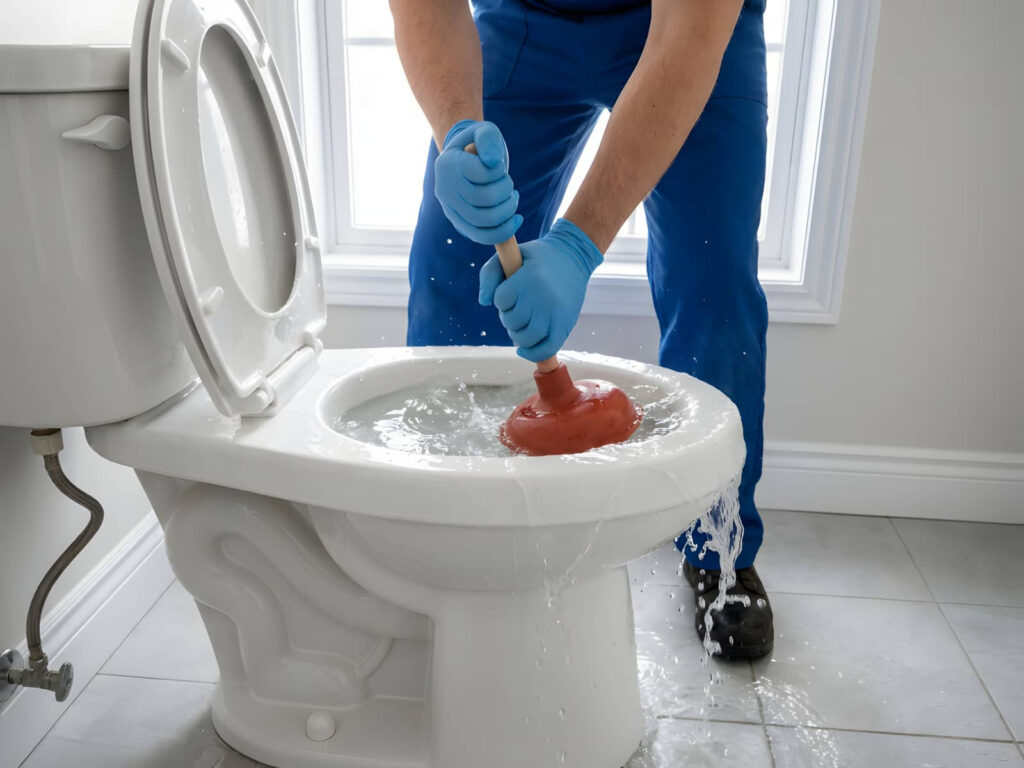
When sewage backs up, it can spread hazardous contamination throughout your home, leaving risks behind every step. Home sewage water damage requires a different response than ordinary water damage because sewage can carry pathogens, gases, and contaminants that spread through flooring, drywall, and other materials. Delays can increase health risks, structural damage, and cleanup costs. Knowing how to secure the affected area and when to call professional cleanup specialists can help protect your home and the people inside it.
Key Takeaways
- Sewage water carries bacteria, viruses, parasites, and chemical contaminants that make affected areas unsafe without professional restoration.
- Contamination often spreads beyond visible water, soaking drywall, insulation, flooring, and baseboards where hazards can remain hidden.
- Sewage quickly damages building materials, causing swelling, warping, softening, and deterioration that worsen without prompt cleanup and removal.
- Proper restoration isolates contaminated zones, removes unsalvageable materials, and sanitizes surfaces to prevent ongoing health risks and cross-contamination.
- Professional restoration also identifies the backup source, documents damage, and helps ensure the home is safe for reoccupancy.
What Causes Sewage Backup at Home
Although sewage backups can seem sudden, they usually result from a specific failure in your home’s drainage system or the municipal sewer line. You’ll usually trace sewage causes to pipe blockages, root intrusion, collapsed lines, or overloaded public sewers during heavy rain.
Inside your home, grease buildup, flushed wipes, and foreign objects restrict flow until wastewater reverses direction.
You can also see backups when aging pipes crack, shift, or lose slope, preventing proper drainage. If your neighborhood shares older infrastructure, municipal surcharging may push sewage toward the lowest fixtures in your home.
For backup prevention, you should schedule line inspections, limit improper flushing, maintain clean drains, and install a backwater valve where local code allows. These steps help you protect your home and contribute to a safer, more prepared community together.
Why Sewage Water Is So Dangerous
Because sewage contains biological contaminants, toxic gases, and chemical residues, it poses an immediate risk to both your health and your home. You face sewage hazards from bacteria, viruses, parasites, and fungi that can enter through inhalation, ingestion, or broken skin. These exposures raise serious health risks, including gastrointestinal illness, respiratory irritation, and infection.
Sewage also degrades building materials quickly. It saturates drywall, insulation, flooring, and framing, allowing microbes to persist deep within porous surfaces. As moisture and organic waste interact, corrosive compounds can weaken structural components and damage finishes.
You also can’t rely on sight or smell to judge safety, because contamination often remains after surface water recedes. Acting promptly protects your household, supports a safer living environment, and helps you restore your home with confidence and care.
Signs the Contamination Is Spreading
When sewage contamination starts spreading, you’ll often see its reach expand beyond the original spill area through moisture staining, material swelling, persistent dampness, and new odors in adjacent rooms or wall cavities.
You may also notice baseboards warping, flooring softening, paint blistering, or discoloration tracking along seams and corners. These are critical contamination indicators.
You should also watch for spreading signs such as recurring drain odors, elevated indoor humidity, mold-like spotting, and unexplained damp insulation.
If contamination migrates beneath finished surfaces, you might hear subtle dripping, feel temperature changes, or see dust clumping near vents.
In shared living spaces, recognizing these patterns helps protect everyone around you. A methodical visual check can reveal whether sewage-affected materials are transmitting moisture and biohazards farther than the original event.
What to Do Right After a Sewage Backup
Right after a sewage backup, you should isolate the affected area, keep people and pets out, and shut off power if water is near outlets or appliances.
You should also stop the contamination from spreading by avoiding foot traffic, blocking access points, and keeping clean items away from contact zones.
These first actions reduce exposure risk and help you control the scene before cleanup or professional restoration starts.
Immediate Safety Steps
After a sewage backup, protect life and limit exposure first: keep people and pets out of the affected area, shut off electrical power only if you can do so without entering standing water, stop using sinks, toilets, and drains, and open exterior doors or windows for ventilation if conditions are safe.
Next, take immediate actions in order. Call your utility provider or emergency services if hazards exist.
Put on safety gear before approaching nearby surfaces: waterproof gloves, boots, eye protection, and a respirator if available. Don’t touch contaminated materials with bare skin. If anyone had contact, wash exposed skin promptly with soap and clean water.
Keep children, older adults, and anyone with weakened immunity completely away. Document visible conditions from a safe distance, and prepare to brief restoration professionals clearly.
Stop Contamination Spread
Because sewage carries pathogens and fine contamination beyond the visibly wet area, you should isolate the space immediately to stop cross-contamination. Close interior doors, block access points, and keep children and pets out.
If airflow could carry aerosols, turn off HVAC serving the affected zone and avoid using fans.
Next, identify likely contamination sources, including floor drains, toilets, broken cleanouts, and saturated materials.
Don’t track wastewater into clean rooms; set a boundary and remove shoes or use disposable boot covers before exiting.
Bag exposed textiles, paper goods, and porous items that can’t be disinfected.
Wipe hard-touch surfaces near the perimeter with an appropriate disinfectant if it’s safe to do so.
These steps reduce health risks, protect unaffected areas, and help your household respond together with confidence until restoration professionals arrive.
Why DIY Sewage Cleanup Fails
While DIY sewage cleanup may seem cost-effective, it often fails because contaminated water carries bacteria, viruses, parasites, and toxic residues that standard household cleaners and protective gear can’t fully control.
You can’t verify what soaked into drywall, subflooring, insulation, or HVAC pathways, so hidden contamination remains active.
Common DIY pitfalls start with cleanup misconceptions: if a surface looks dry or smells better, you may assume it’s safe. It isn’t. Sewage water wicks into porous materials, leaves biofilm behind, and raises cross-contamination risks every time you walk through the area.
Without proper containment, disposal discipline, and exposure awareness, you can spread hazards to rooms your household depends on daily.
Taking sewage damage seriously helps protect your space, your routines, and everyone who belongs there, including pets and vulnerable family members.
What Professional Sewage Cleanup Includes
Professional sewage cleanup applies a controlled process that addresses both visible waste and the contamination you can’t see. Your restoration team begins with a sewage assessment, isolates affected zones, and uses protective equipment to reduce cross-contamination.
Then, they remove unsalvageable materials, extract standing water, and clean structural surfaces with approved cleanup techniques.
- Containment barriers, negative air pressure, and designated disposal paths keep pollutants from spreading.
- Moisture mapping, material testing, and documented scope decisions help you understand exactly what must go.
- Surface cleaning, odor control, and targeted sanitation restore safer conditions for your household.
You’re not handling a mess alone; you’re following an organized standard with professionals who protect your home systematically.
That process gives you confidence, clear expectations, and a safer path back to normal.
How Cleanup Prevents Mold and Bacteria
Once sewage enters your home, cleanup must move quickly to stop microbes and moisture from turning into a larger contamination problem. You need rapid extraction, controlled demolition of porous materials, and thorough disinfection to remove nutrients that support bacteria growth.
Every hour matters because damp drywall, subfloors, and insulation can trap contamination and create hidden reservoirs.
You protect your household best by following a methodical drying and sanitizing process. Technicians measure moisture, isolate affected zones, apply antimicrobial treatments, and use air movers and dehumidifiers to restore safe humidity levels.
That sequence supports mold prevention by denying spores the water they need to colonize surfaces. It also reduces cross-contamination, so your living space can return to a clean, stable condition where everyone in your home feels secure and protected together.
Typical Sewage Cleanup Costs
You’ll see sewage cleanup costs change based on contamination level, affected square footage, material removal, and required disinfection steps.
In most cases, you can expect a price range from a few hundred dollars for minor, contained work to several thousand for extensive extraction, demolition, and sanitizing.
To estimate your total accurately, you should assess the hazard class, scope of damage, and labor needed to restore the area safely.
Cost Factors
Because sewage losses vary in scope and contamination level, cleanup costs usually depend on the affected area’s size, the category of water, material removal needs, drying time, and any required disinfection or structural repairs.
For your cost breakdown, you’ll want to track the variables professionals assess before work begins. This helps your household understand real expense considerations and make safe, informed decisions together.
- Larger affected zones require more containment, extraction, demolition, and monitored drying.
- Porous materials like drywall, insulation, carpet, and subflooring often need removal and controlled disposal.
- Higher contamination levels demand stricter PPE, deeper sanitization, odor treatment, and verification testing.
If sewage reaches wall cavities, HVAC components, or structural framing, labor complexity rises. You’re not just paying for cleanup; you’re supporting a methodical restoration process that protects everyone in your home.
Price Range
Typical home sewage cleanup costs often range from about $2,000 to $10,000+, with smaller, contained backups at the low end and multi-room or structurally involved losses rising well beyond that.
Your final price estimation depends on contamination category, affected square footage, material removal, drying time, and required disinfection.
If sewage reaches insulation, subfloors, HVAC components, or wall cavities, you’ll likely see higher invoices because crews must isolate hazards, remove porous materials, and verify sanitation before rebuilding.
Emergency extraction, after-hours service, odor control, and microbial testing can also increase total cost.
For sound budget considerations, ask for an itemized scope that separates mitigation, demolition, cleaning, and reconstruction.
That method helps you compare bids accurately and stay aligned with the safety standards your household and community expect during restoration and insurance claim review.
How to Choose a Cleanup Company
When sewage backs up into a home, choosing the right cleanup company directly affects occupant safety, contamination control, and the success of the restoration. You need a team that follows ANSI/IICRC standards, uses proper containment, and documents moisture and biohazard removal.
Verify cleanup qualifications, licensing, insurance, and technician training before work begins. Read service reviews to confirm timely response, clear communication, and consistent results.
- Technicians arrive in PPE, isolate affected zones, and prevent cross-contamination.
- Commercial extractors, air scrubbers, and disinfectants remove waste and control pathogens.
- Drying logs, clearance testing, and photo records show your home is safe again.
Choose a company that explains each step, gives a written scope, and treats your household with respect. That approach helps you protect everyone and feel supported.
Frequently Asked Questions
Can Sewage Damage Affect My Home Insurance Coverage?
Yes, sewage damage can affect your home insurance coverage through exclusions, endorsements, and coverage limits. You should review your policy, document contamination, and follow the claim process carefully so your household stays protected and informed.
How Long Should My Family Stay Out After Cleanup?
Like caution tape at your doorway, you should stay out 24–72 hours after cleanup, depending on cleanup duration, drying, and testing. Follow safety precautions, and reenter only when professionals confirm sanitation, air quality, and moisture control.
Can Sewage Contamination Lower My Property Value?
Yes, sewage contamination can lower your property value through sewage stigma and adverse property assessment findings. You should document remediation, verify clearance testing, and disclose repairs properly so your home meets buyer expectations and neighborhood standards.
What Items Can Usually Be Salvaged After Sewage Damage?
You can usually salvage nonporous furniture, some solid-wood pieces, metal items, glass, and certain appliances if professionals decontaminate them quickly. For safe furniture restoration and appliance salvage, you’ll need inspection, disinfection, drying, and documented clearance.
Does Sewage Backup Create Long-Term Health Risks for Pets?
Yes—like a shadow that lingers, sewage backup can create long-term Health concerns for your pets. You should treat Pet exposure methodically: toxins, pathogens, and residues can trigger chronic illness, so act quickly and safely.
Review
Sewage damage isn’t a puddle you can sidestep—it’s a toxic fuse burning beneath your home. If you delay, contamination can seep into walls, flooring, and air, multiplying health hazards and repair costs. You need fast, methodical restoration to isolate hazards, remove contaminated materials, disinfect affected areas, and verify safe conditions. When you act quickly and hire qualified professionals, you protect your structure, your indoor environment, and most importantly, the people living inside it every day.