
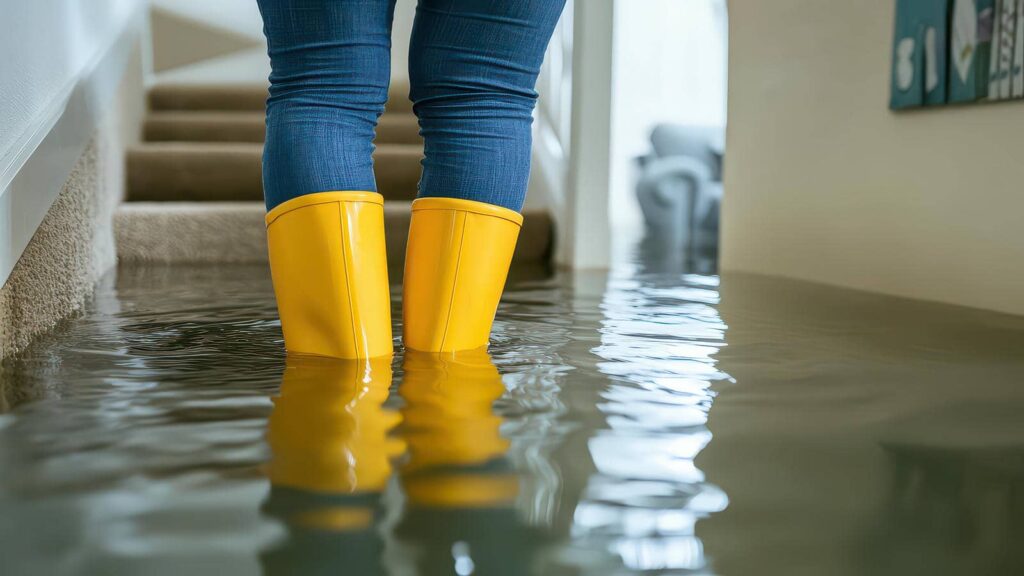
It can feel like a hurricane has just swept through your home, leaving chaos and destruction in its wake. You need to act fast, but where do you even start? Evaluating the damage isn’t just about what you can see; hidden issues could be lurking behind your walls. Understanding the right steps for effective storm damage water repair can make all the difference in restoring your home and peace of mind. What comes next may surprise you.
Key Takeaways
- Conduct a thorough damage assessment of walls, floors, and ceilings to identify all affected areas.
- Use pumps and wet vacuums for immediate water extraction to prevent further damage.
- Implement drying techniques like dehumidifiers and fans to eliminate residual moisture effectively.
- Address any structural damage promptly and consult professionals for significant issues.
- Reinforce your home with flood-resistant materials and proper drainage systems to mitigate future storm damage.
Assessing the Extent of Storm Damage
Evaluating the extent of storm damage is essential for effective water repair and restoration. You’ll want to start with a thorough damage evaluation, examining walls, floors, and ceilings for any signs of moisture infiltration or structural compromise.
Look closely at electrical systems and plumbing, as hidden issues can escalate quickly. Documenting this damage is vital, particularly for an insurance assessment. Take clear photos and notes to provide a detailed overview of the situation; your insurance provider may require this for coverage validation.
Connecting with professionals who understand the intricacies of storm damage can offer invaluable support. They’ll help you navigate the repair process, ensuring you’re not alone during this challenging time.
Immediate Steps for Water Extraction
Once you’ve assessed the extent of storm damage, the next critical step is to address water extraction promptly. Quick action is essential to prevent further damage. Start your emergency response by gathering extraction equipment, such as pumps and wet vacuums. These tools will help you remove standing water efficiently.
Here’s a quick reference table for effective water extraction:
| Equipment Type | Purpose | Suggested Use |
|---|---|---|
| Submersible Pump | Remove large volumes of water | Flooded basements |
| Wet Vacuum | Extract residual moisture | Carpet and hard floors |
| Dehumidifier | Reduce humidity levels | Post-extraction drying |
| Squeegee | Manual water removal | Tight spaces and corners |
With the right tools in hand, you can minimize water damage and set the stage for future restoration efforts. Remember, you’re not alone in this; support is available every step of the way.
Drying and Dehumidification Techniques
Once you’ve extracted the water, it’s vital to focus on effective drying and dehumidification techniques to prevent further damage.
You’ll want to implement proper air circulation methods, choose the right dehumidifiers, and monitor moisture levels closely.
These steps are essential in ensuring your space returns to a safe and dry condition.
Air Circulation Methods
When dealing with storm damage, effective air circulation methods play an essential role in drying and dehumidifying affected areas.
Start by evaluating airflow patterns in your space; this helps you understand how air moves and where moisture collects. Implementing proper ventilation strategies can greatly improve drying times.
Use fans to create cross-ventilation, directing airflow toward damp surfaces to enhance evaporation. Position dehumidifiers strategically to capture moisture-laden air, ensuring they’re not obstructed by furniture or walls.
Remember, a well-ventilated area can make all the difference in combating mold and mildew growth.
Dehumidifier Selection Tips
How can you choose the right dehumidifier for your storm-damaged home? Start by evaluating the dehumidifier capacity; it should match the size of the area needing treatment. A higher capacity means faster moisture removal, which is vital after storm damage.
Look for models with energy efficiency ratings; these will save you money on electricity while effectively managing humidity levels. Consider features like built-in humidistats and continuous drainage options, which add convenience and ensure peak performance.
Moisture Monitoring Techniques
After selecting the right dehumidifier, moisture monitoring becomes a key component in the drying and restoration process. Utilizing moisture sensors helps you track humidity levels effectively, ensuring your environment stays safe and dry. Regularly checking these levels protects your property and aids in preventing mold growth.
| Moisture Sensor Type | Ideal Humidity Level |
|---|---|
| Capacitive | 30-50% |
| Resistive | 40-60% |
| Hygrometer | 30-50% |
| Thermal | 35-55% |
| Digital | 35-60% |
Repairing Structural Damage
Although storm damage can leave your home vulnerable, addressing structural issues promptly is vital for ensuring safety and preventing further deterioration.
Start by evaluating any cracks or shifts in your foundation; these could indicate compromised foundation integrity. If you notice significant damage, consult a structural engineer to identify the best course of action.
You might need to implement structural reinforcement methods, such as steel bracing or foundation underpinning, to restore stability. These techniques can effectively distribute weight and improve load-bearing capacity, ensuring your home stands strong against future storms.
It’s important to use quality materials during repairs; this enhances durability and fosters a sense of security in your living space.
Preventative Measures for Future Storms
Once you’ve addressed any structural damage from past storms, it’s time to focus on preventative measures to safeguard your home against future weather events. Implementing stormproofing strategies is essential.
Start by reinforcing your roof and windows with impact-resistant materials to withstand high winds and flying debris. Consider installing storm shutters for added protection.
Next, invest in flood-resistant materials, such as water-resistant drywall and flooring, to minimize damage during heavy rains. Elevate your electrical systems and HVAC units above potential flood levels to protect them from water intrusion.
Additionally, create a proper drainage system around your home. Make certain gutters and downspouts are clear and direct water away from your foundation.
Regular maintenance checks can make all the difference in preventing future issues. By taking these steps, you’ll foster a safe environment for you and your loved ones, creating a sense of security within your community.
Choosing the Right Water Cleanup Company
When you’re faced with water damage, finding the right cleanup company can feel overwhelming, especially during a stressful time. Start by conducting a thorough review comparison. Look for companies with strong customer feedback, as this reflects their reliability and quality of service.
Pay attention to their response times and professionalism, which are critical in emergencies. Additionally, check if they offer service guarantees. A reputable company will stand behind its work, ensuring you feel secure in your choice.
Ask about their certifications and experience in handling storm damage, as specialized knowledge can make all the difference in the effectiveness of the repair.
Finally, trust your instincts. A company that prioritizes communication and empathy will help you feel supported throughout the process.
Frequently Asked Questions
How Can I Prevent Mold Growth After Storm Damage?
To prevent mold growth after storm damage, use mold prevention techniques during post-storm cleanup. Ensure proper ventilation, dry out affected areas promptly, and remove any damp materials. Staying proactive can help protect your home and well-being.
What Insurance Coverage Is Available for Storm Damage Repairs?
When it comes to storm damage, check your insurance policies for coverage details. Most homeowners’ policies include provisions for repairs, but understanding your specific coverage can help you feel secure and prepared during challenging times.
Can I File a Claim for Water Damage Caused by Flooding?
Yes, you can file a claim for water damage from flooding if you have flood insurance. Start the claim process promptly, gathering the necessary documentation, as this helps ensure a smoother experience during this challenging time.
How Long Does the Water Damage Repair Process Typically Take?
The repair timeline typically spans from a few days to weeks. Accurate damage assessment speeds up the process, ensuring your space feels like home again.
Are There Any DIY Methods for Storm Damage Water Repair?
If you’re considering DIY methods, start with water extraction using a wet/dry vacuum. After that, make certain thorough drying and use dehumidifiers for mold prevention. It’s essential to act quickly to protect your home and health.
Recap
Just like a sturdy ship weathering a storm, your home deserves the same resilience. By thoroughly evaluating damage, swiftly extracting water, and employing effective drying techniques, you’re fortifying your vessel against future tempests. Repairing structural issues with quality materials is akin to reinforcing a hull, while preventative measures act as a lighthouse guiding you safely through turbulent waters. Choosing the right water cleanup company ensures you’re not maneuvering these challenges alone, transforming your home into a beacon of safety and strength.