
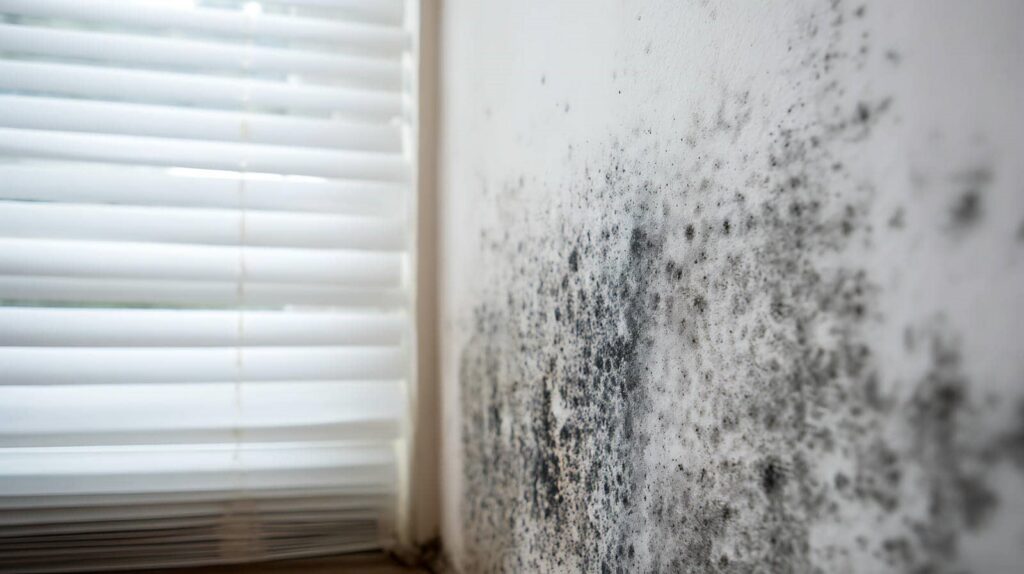
After water damage, it’s vital to act quickly to prevent mold growth. Start by removing any standing water and employing dehumidifiers to keep humidity levels between 30-60%. You’ll need to enhance ventilation and clean affected areas thoroughly. Understanding the risks and effective cleaning techniques is imperative. But what long-term strategies can you implement to ensure mold doesn’t return? Let’s explore the steps you can take to safeguard your space.
Key Takeaways
- Remove standing water promptly using mops or wet vacuums to minimize moisture exposure.
- Use dehumidifiers to maintain indoor humidity levels below 60% effectively.
- Improve ventilation by using exhaust fans and opening windows for better airflow.
- Clean and disinfect affected surfaces thoroughly, applying mold inhibitors afterward.
- Regularly inspect areas prone to dampness, such as basements and bathrooms, for early signs of mold.
Immediate Steps to Dry Out Affected Areas
When you experience water damage, acting quickly is essential to prevent mold growth. Start by removing any standing water using mops or wet vacuums.
Next, prioritize dehumidifier usage; place units in the affected areas to reduce moisture levels efficiently. Aim to maintain humidity below 60% to create an inhospitable environment for mold.
Ventilation is equally important. Open windows and doors to facilitate airflow, and use fans to circulate air, promoting faster drying.
If possible, run your HVAC system to help with ventilation and dehumidification. Regularly check surfaces for dampness and dry them thoroughly.
How to Identify Water Damage and Mold Risks?
How can you spot the signs of water damage and the potential for mold growth in your home? Start by checking areas near common water sources, such as sinks, pipes, and roofs.
Look for discoloration on walls or ceilings, bubbling paint, or warped materials, which indicate moisture issues. Pay attention to musty odors, a clear sign of mold symptoms.
Inspect basements, bathrooms, and attics, as these areas are prone to dampness. If you notice any water stains or condensation, act quickly.
Essential Cleaning Techniques Post-Water Damage
Act swiftly to prevent mold growth by employing essential cleaning techniques after water damage. Addressing the situation promptly safeguards your space and fosters a sense of community resilience.
Follow these steps:
Remove Excess Water: Use wet/dry vacuums or pumps to eliminate standing water quickly.
Clean Thoroughly: Use effective cleaning solutions to scrub surfaces. Focus on areas like floors, walls, and furniture.
Apply Mold Inhibitors: After cleaning, spray mold inhibitors on affected areas to deter future growth.
Long-Term Strategies to Prevent Mold Growth
To effectively prevent mold growth in the long term, it’s crucial to maintain ideal indoor humidity levels. Aim for a humidity range of 30-60% to inhibit mold spores. Implement humidity control measures like dehumidifiers and moisture-absorbing materials in damp areas.
Additionally, focus on ventilation improvement throughout your home. Ensure that bathrooms and kitchens are properly ventilated with exhaust fans, and open windows when the weather permits.
Regularly check and clean your HVAC systems to promote airflow and remove stagnant moisture.
When Should You Call Water Damage Experts?
Wondering when it’s time to call water damage experts? Here are three key scenarios to evaluate:
Extensive Water Damage: If you’ve experienced significant flooding or leaks, a thorough water damage assessment is vital to prevent long-term issues.
Persistent Mold Growth: If you notice mold appearing despite your cleanup efforts, it’s time for a professional mold inspection.
Mold can spread quickly, and experts have the tools to handle it safely.
- Structural Concerns: If you suspect that water has compromised the integrity of your home, consulting experts can ensure your safety and identify hidden damage.
Don’t hesitate to reach out.
Early intervention can save you time, money, and potential health risks.
Frequently Asked Questions
Can Mold Grow After Minor Water Leaks?
Yes, mold can grow after minor water leaks. Effective leak detection is essential to identify and address any hidden water damage promptly, preventing mold proliferation and maintaining a healthy environment in your space.
How Does Humidity Affect Mold Growth?
Humidity heightens hazards, promoting mold’s mischievous growth. You need effective humidity control and moisture management to minimize risks. By maintaining balanced moisture levels, you’ll foster a healthier environment and keep mold at bay.
What Are Common Signs of Hidden Mold?
You’ll notice common signs of hidden mold like musty odors, water stains, or peeling paint. Employ mold detection techniques, and check for hidden moisture sources to effectively identify and address potential mold issues in your environment.
Can I Use Household Cleaners to Kill Mold?
Household cleaners can be effective for mold removal, but they’re often like a band-aid on a deeper wound. For thorough cleaning solutions, consider specialized products designed specifically for mold to ensure complete eradication.
How Long Does It Take for Mold to Appear?
Mold can appear within 24 to 48 hours after water damage, depending on various factors like humidity and temperature. Understanding the mold growth timeline helps you act quickly to minimize health risks and property damage.
Wrap-Up
By taking swift action and implementing these strategies, you can shield your home from the creeping threat of mold. Think of your efforts as building a fortress—strong and resilient against moisture’s relentless advance. Regular maintenance and vigilance will ensure a safe, healthy environment for you and your loved ones. Don’t let water damage turn into a hidden enemy; stay proactive, and your home will remain a sanctuary, free from the shadows of mold.