
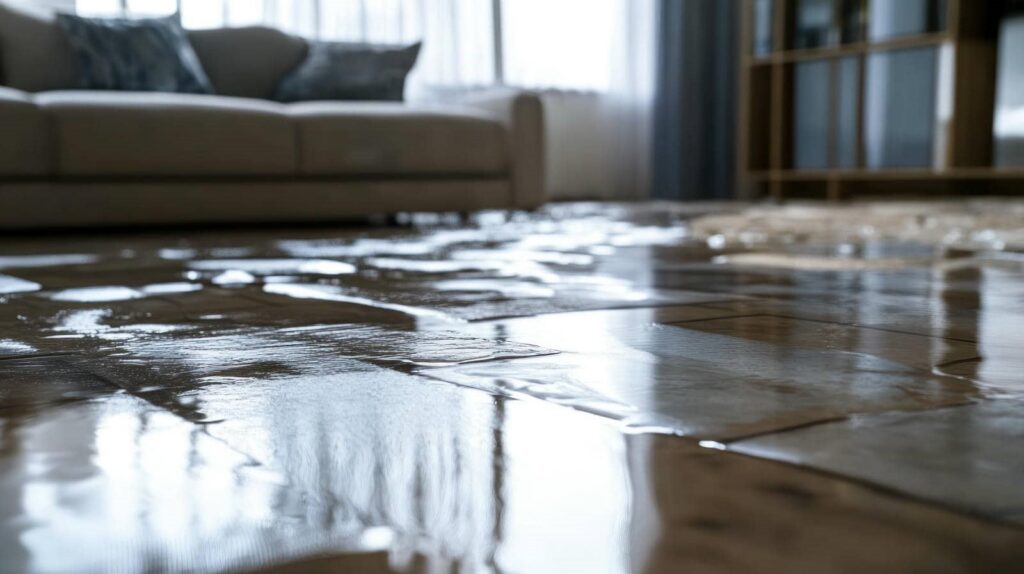
When dealing with water damage in your home, understanding effective structural drying techniques is essential. Air movers create targeted airflow to expedite evaporation, while dehumidifiers manage humidity to prevent mold growth. Additionally, moisture detection tools reveal hidden pockets of water that could compromise your structure. Mastering these methods safeguards your property and can greatly enhance recovery outcomes. Let’s explore how each technique contributes to a successful drying strategy.
Key Takeaways
- Moisture Detection: Utilize moisture detection tools and thermal imaging to identify hidden water pockets and affected areas for effective drying.
- Air Movement: Employ air movers to enhance airflow, targeting wet spots to accelerate evaporation and reduce drying time.
- Dehumidification: Integrate dehumidifiers tailored to environmental conditions to control humidity and prevent mold growth during the drying process.
- Rapid Water Removal: Quickly remove excess water and implement drying strategies to mitigate damage and maintain structural integrity.
- Regular Monitoring: Continuously assess moisture levels and adjust drying techniques to ensure optimal efficiency and effectiveness throughout the drying process.
Key Drying Techniques for Water Damage
When tackling water damage, employing effective drying techniques is essential to prevent mold growth and structural issues.
Start with moisture detection to identify hidden pockets of water that could lead to further damage. Utilizing thermal imaging technology enhances this process, allowing you to visualize moisture levels behind walls and under floors.
Once you’ve pinpointed affected areas, make sure you remove excess water quickly. Use dehumidifiers to lower humidity levels and accelerate drying.
Combine this with proper ventilation, ensuring air circulation throughout the space. Regularly monitor moisture levels to track progress, adjusting your techniques as needed.
How Air Movers Aid in the Drying Process?
Air movers play an essential role in the drying process by enhancing airflow and accelerating evaporation. By improving airflow dynamics, these devices help to distribute dry air throughout affected areas, promoting effective moisture control. This targeted airflow speeds up drying while preventing mold growth.
Increases evaporation: Air movers create a constant stream of air, which helps moisture evaporate faster.
Directs airflow: You can position them strategically to focus on specific wet spots, ensuring thorough drying.
Boosts efficiency: Using air movers alongside other drying techniques maximizes overall effectiveness, reducing restoration time.
With air movers in your water damage recovery toolkit, you’ll experience a more efficient drying process and peace of mind knowing you’re taking the right steps.
The Importance of Dehumidifiers in Water Damage Restoration
While air movers enhance airflow and boost evaporation, dehumidifiers play an important role in moisture control during water damage restoration. By removing excess humidity, they prevent mold growth and structural damage.
There are various dehumidifier types, including refrigerant and desiccant models, each suited for specific environments. Refrigerant dehumidifiers work best in warm spaces, while desiccant units excel in cooler conditions.
When you integrate these devices with air movers, you create an efficient drying system that accelerates the restoration process. Proper moisture control protects your home and enhances indoor air quality.
Frequently Asked Questions
How Long Does the Drying Process Typically Take?
Drying times can vary, typically ranging from 24 to 72 hours, depending on moisture levels and the materials affected. You should monitor progress closely to ensure ideal drying and prevent further damage.
Can I Dry My Home Without Professional Help?
You can dry your home without professional help, but be cautious—some DIY drying attempts fail. Effective water removal involves fans, dehumidifiers, and thorough cleaning to prevent mold growth and further damage.
What Are the Signs of Hidden Water Damage?
You should look for water stains, musty odors, and mold growth. If you notice warped floors or peeling paint, it’s a sign of hidden water damage that could compromise your home’s structural integrity.
Is It Safe to Use Electricity During Drying?
Yes, it’s safe to use electricity during drying, provided you follow electrical safety guidelines. Confirm your drying equipment’s in good condition, and avoid using damaged cords to minimize risks while effectively managing the situation.
How Can I Prevent Future Water Damage?
To prevent future water damage, implement effective waterproofing methods like sealants and membranes. Ensure proper drainage solutions are in place, directing water away from your home’s foundation to minimize risk and protect your living space.
Review
Utilizing air movers, dehumidifiers, and moisture detection tools is essential for effective water damage restoration. These techniques work in harmony, much like a well-tuned machine, ensuring every corner of your home dries thoroughly. By efficiently removing moisture, you prevent mold growth and protect your home’s structural integrity. Don’t underestimate the importance of these tools—your home’s recovery depends on them. So, gear up and tackle that water damage head-on!