
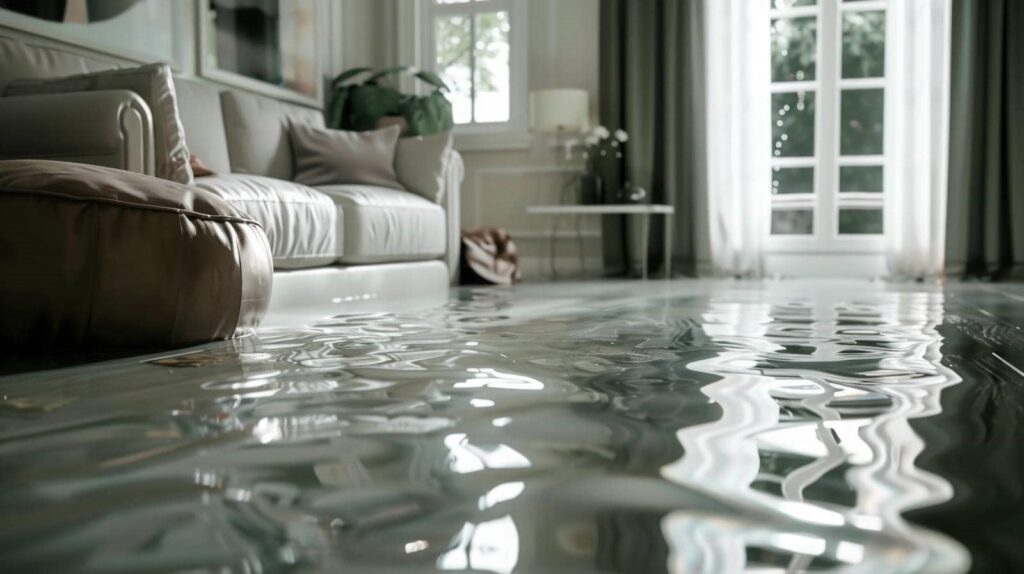
Imagine your basement flooding after a heavy rainstorm, leaving you with extensive water damage. To effectively tackle this situation, understanding the top structural drying techniques is essential. You’ll discover how dehumidification, air circulation, and thermal imaging play important roles in restoration. Each method has its unique benefits, but knowing when and how to implement them can make all the difference. Let’s explore these techniques to ensure your space dries efficiently and safely.
Key Takeaways
- Utilize dehumidifiers to efficiently lower humidity levels and speed up the drying process of affected materials.
- Implement air circulation techniques by strategically placing fans to enhance evaporation and airflow throughout the space.
- Employ thermal imaging to identify hidden moisture pockets in walls and floors for targeted drying efforts.
- Apply heat to increase evaporation rates, helping to dry carpets, drywall, and other materials more effectively.
- Regularly monitor indoor air quality to ensure a safe environment during the drying process.
How to Effectively Restore Water Damage
When you’re faced with water damage, quick action is vital to prevent further issues. Start by evaluating the extent of the damage and identifying the source of the water.
Turn off electricity and move belongings to a safe location.
Then, focus on moisture control; use fans and dehumidifiers to dry out affected areas. This step is essential for mold prevention, as spores thrive in damp environments.
You should also remove any wet carpets or insulation, as these can harbor mold growth.
Regularly check for hidden moisture in walls and under floors.
Finally, consider applying antimicrobial treatments to surfaces to further safeguard against mold.
Key Techniques for Effective Structural Drying
To achieve effective structural drying after water damage, you must implement a combination of techniques tailored to the specific conditions of the affected area.
Start with a thorough moisture assessment to identify the extent of damage and prioritize drying efforts.
Here are three key techniques to take into account:
Dehumidification Methods: Utilize commercial-grade dehumidifiers to lower humidity levels, accelerating the drying process.
Air Circulation: Enhance airflow by strategically placing fans to facilitate evaporation from surfaces.
Thermal Imaging: Employ thermal imaging technology to spot hidden moisture pockets that may otherwise go unnoticed.
Why Air Movers Are Essential for Water Damage Drying
Air movers are essential for effective water damage drying, as they greatly enhance evaporation rates and expedite the overall drying process. By circulating air, these devices considerably increase drying efficiency, helping to reduce moisture levels in affected areas.
You’ll appreciate the air mover benefits, such as preventing mold growth and minimizing structural damage. The high-velocity airflow accelerates evaporation from surfaces like carpets, walls, and furniture, ensuring a thorough drying experience.
Positioning multiple air movers strategically allows for ideal airflow, targeting damp spots efficiently. This shortens the drying time and improves indoor air quality.
When tackling water damage, incorporating air movers into your strategy is a smart choice for faster, more effective drying.
How Heat Impacts Water Damage Drying?
Heat plays an essential role in the water damage drying process, as it directly influences evaporation rates and moisture removal. By increasing temperatures, you can effectively enhance the drying environment.
Here are three key impacts of heat on drying:
Increased Evaporation Rates: Higher temperatures facilitate faster evaporation, reducing moisture levels more efficiently.
Humidity Control: Warm air holds more moisture, which helps to lower relative humidity and promotes effective drying.
Faster Material Drying: Heat accelerates the drying of affected materials, like carpets and drywall, minimizing potential damage.
When to Consider Professional Help for Water Damage
How can you tell when it’s time to call in professionals for water damage? First, consider the extent of the damage. If water has soaked into walls, floors, or ceilings beyond surface-level, it’s a sign needing professionals.
Also, if you notice mold growth, even small patches, it’s essential to seek expert help. While you might think about when to DIY, remember that improper drying can lead to structural issues later.
If you’re uncertain about the moisture levels or the right equipment to use, professionals have advanced tools to assess and remediate effectively.
Finally, if the water source is contaminated, immediate professional intervention is critical to ensure safety and thorough restoration. Don’t hesitate—your home deserves expert care.
Frequently Asked Questions
Can I Use a Regular Fan for Structural Drying?
You can use a regular fan, but its effectiveness may be limited. For ideal drying methods, consider specialized equipment that circulates air more efficiently, ensuring thorough moisture removal in affected areas.
How Long Does Structural Drying Typically Take?
Structural drying typically takes three to five days, depending on factors like moisture levels and dehumidifier placement. Using the right drying equipment effectively accelerates the process, ensuring your space returns to normal quickly.
What Materials Are Most Vulnerable to Water Damage?
Porous materials like wood, drywall, and insulation are most vulnerable to water damage. They quickly absorb moisture, compromising structural integrity. Effective drying methods are essential in the restoration process to prevent long-term issues and maintain safety.
Is Mold a Concern During the Drying Process?
Yes, mold’s a significant concern during drying. To combat this, you need effective drying equipment and mold prevention strategies. Prompt action and thorough monitoring ensure you minimize risks and protect your space from mold growth.
Can I Stay in My Home During Drying?
You can stay in your home during drying, but ensure safety first. Water damage may lead to hazards like mold. Monitor air quality and follow professional advice to maintain a safe environment while drying occurs.
Summary
In the battle against water damage, speed and precision are your allies. While air movers swiftly chase moisture away, dehumidifiers silently pull it from the air, creating a delicate balance. You might be tempted to tackle this alone, but knowing when to call in professionals can mean the difference between a minor inconvenience and a costly disaster. By understanding these techniques, you ensure your space returns to safety and comfort, free from the lurking threat of mold and decay.